Beginning with photo shop, the narrative unfolds in a compelling and distinctive manner, drawing readers into a story that promises to be both engaging and uniquely memorable.
Photo shop is not just a tool; it’s a platform that empowers users to reshape their visual narratives. As the go-to software for image editing, it provides an array of features that cater to both amateur and professional designers. From enhancing photographs to creating stunning graphics, photo shop allows for boundless creativity and precision in digital art.
In today’s fast-paced world, remote work has transitioned from a niche privilege to a mainstream reality. The COVID-19 pandemic dramatically accelerated this shift, leading many organizations to embrace flexible work arrangements. As we settle into this new normal, understanding the nuances of remote work becomes crucial for both employers and employees. This article will explore the benefits, challenges, and best practices for navigating remote work effectively.
Benefits of Remote Work
One of the primary advantages of remote work is the flexibility it offers. Employees can tailor their work hours to fit their personal lives, resulting in a better work-life balance. This flexibility often leads to increased job satisfaction and, consequently, higher employee retention rates.
Additionally, remote work eliminates commuting time, allowing employees to reclaim hours that would otherwise be spent in transit. This not only enhances productivity but also contributes to a more sustainable environment by reducing carbon emissions associated with daily commutes.
From an organizational perspective, companies can benefit from a broader talent pool. Geographic barriers are diminished, allowing employers to recruit the best talent regardless of their location. This diversity in hiring leads to a more dynamic workforce and a variety of perspectives that can drive innovation and creativity.
Challenges of Remote Work
Despite its numerous benefits, remote work is not without challenges. One significant issue is the potential for isolation. Employees working remotely may miss out on the camaraderie and collaboration that physical workplaces provide. This isolation can lead to feelings of disconnection and disengagement.
Another challenge is maintaining productivity. While some individuals thrive in a remote environment, others may struggle with distractions at home. Balancing family responsibilities, household chores, and work commitments can lead to decreased focus and lower output if not managed effectively.
Communication also becomes a critical concern in remote work settings. Misunderstandings can easily arise when team members rely on text-based communication. Without the tone and body language cues present in face-to-face interactions, it’s easy for messages to be misinterpreted. Thus, organizations must be proactive in establishing clear communication channels to mitigate these risks.
Best Practices for Remote Work
To thrive in a remote work environment, both employees and employers can adopt several best practices. For employees, establishing a designated workspace is essential. This space should be organized, free from distractions, and equipped with all the necessary tools for productivity. By creating a clear boundary between work and personal life, individuals can maintain focus during work hours.
Additionally, setting a consistent schedule can help foster a sense of routine. Sticking to regular work hours encourages discipline and can enhance productivity. Employees should also take regular breaks to recharge—short breaks can help clear the mind and maintain energy levels throughout the day.
Employers, on the other hand, should prioritize open lines of communication. Regular check-ins, virtual team meetings, and collaborative tools can help keep team members connected. Encouraging feedback and fostering a culture of openness can create an environment where employees feel valued and engaged, even from a distance.
Leveraging Technology for Success
Technology plays a pivotal role in the success of remote work arrangements. Numerous tools are available to facilitate collaboration and communication. Platforms like Slack, Microsoft Teams, and Zoom offer various features that can enhance teamwork, from video conferencing to instant messaging and file sharing.
Project management tools such as Trello, Asana, and Monday.com help teams stay organized and aligned on tasks and deadlines. By utilizing these technologies, remote teams can maintain productivity and ensure that everyone is on the same page, regardless of their location.
Moreover, companies should consider investing in cybersecurity measures. With remote work extending access to sensitive company data from various locations, ensuring data protection is crucial. Implementing secure networks, VPNs, and regular training on cybersecurity practices can help safeguard organizational information.
Fostering a Positive Remote Work Culture
Creating a positive remote work culture is vital for employee morale and productivity. Employers should focus on recognition and appreciation, celebrating both individual and team achievements. Virtual team-building activities can also reinforce camaraderie and strengthen interpersonal relationships among team members.

Encouraging professional development through online workshops, courses, and mentorship programs can keep employees engaged and motivated. Investing in employees’ growth not only benefits individual team members but also contributes to the overall success of the organization.
The Future of Remote Work
As we look ahead, it’s clear that remote work is here to stay. Many organizations are adopting hybrid models that combine remote and in-office work, allowing for flexibility while still fostering collaboration. The key to success in this evolving landscape lies in adaptability. Both employees and employers must remain open to change and willing to experiment with new approaches to work.
In conclusion, while remote work presents its unique set of challenges, it also offers immense opportunities for growth, flexibility, and innovation. By embracing best practices, leveraging technology, and fostering a positive work culture, organizations can successfully navigate this new normal and thrive in the future of work.
Answers to Common Questions
What is Photo shop used for?
Photo shop is primarily used for editing and creating images, including photo retouching, graphic design, and digital painting.
Is Photo shop suitable for beginners?
Yes, while it has advanced features, there are many tutorials available that make it accessible for beginners.
Can I use Photo shop on mobile devices?
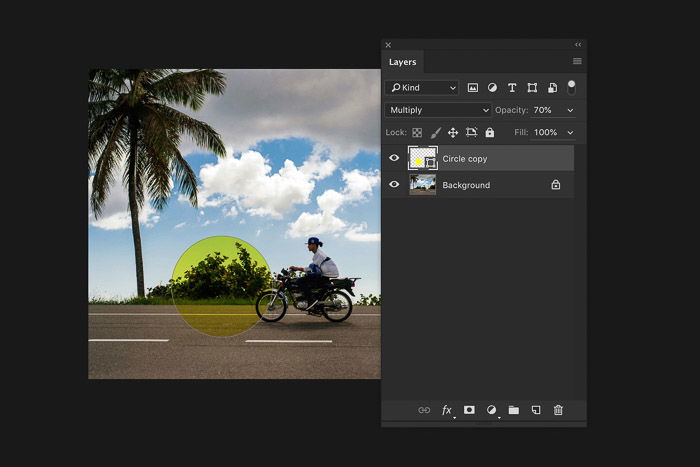
Yes, Adobe offers a mobile version called Photo shop Express, designed for quick edits on the go.
How often does Photo shop get updated?
Adobe regularly updates Photo shop with new features and improvements, typically on a subscription basis.

What are some alternatives to Photo shop?
Popular alternatives include GIMP, Affinity Photo, and Corel PaintShop Pro, each offering unique features and pricing.