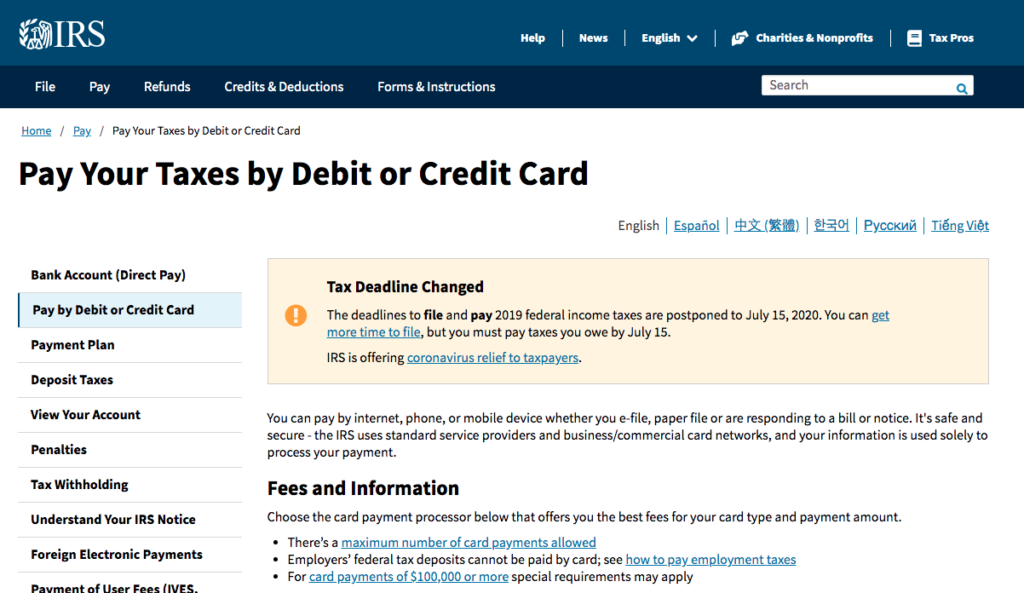
Starting with irs.gov/payments/pay-your-taxes-by-debit-or-credit-card, tax payments have never been more accessible or straightforward. This service allows taxpayers to conveniently manage their tax obligations using debit or credit cards, ensuring a seamless payment experience. With growing digital solutions, it’s essential to understand how this service works and the benefits it provides for individuals and businesses alike.
Whether you’re looking to settle your annual tax bill or make estimated payments, this platform offers a user-friendly interface that can help streamline the process, making it easier to stay compliant while managing your finances effectively.
In our fast-paced world, where distractions seem to lurk around every corner, the concept of mindfulness has emerged as a beacon of hope for many seeking peace and clarity. Mindfulness isn’t just a trend; it’s a transformative practice that encourages individuals to live in the moment, fostering a deeper connection to themselves and their surroundings. In this article, we will delve into the principles of mindful living, exploring its benefits and practical applications in daily life.
Understanding Mindfulness
At its core, mindfulness is the practice of being fully present and engaged with the current moment. It involves acknowledging our thoughts, feelings, and bodily sensations without judgment. This practice can be traced back to ancient Buddhist traditions, yet it has gained widespread recognition in contemporary psychology and wellness communities. Mindfulness allows us to experience life more vividly, appreciate the little things, and cultivate a sense of gratitude.
The Benefits of Mindful Living
Embracing mindfulness can lead to a plethora of benefits, both mental and physical. Here are some of the key advantages:
- Reduced Stress: Mindfulness has been shown to lower stress levels significantly. By focusing on the present rather than worrying about the past or future, individuals can reduce anxiety and promote a sense of calm.
- Improved Focus: Practicing mindfulness enhances concentration, allowing for greater productivity and efficiency. It trains the brain to stay focused on the task at hand, minimizing distractions.
- Emotional Regulation: Mindfulness encourages individuals to acknowledge their emotions without suppressing or reacting impulsively. This leads to improved emotional intelligence and better interpersonal relationships.
- Enhanced Well-being: Regular mindfulness practice can boost overall well-being, increasing feelings of happiness and satisfaction in life.
Incorporating Mindfulness into Daily Life
Integrating mindfulness into your daily routine doesn’t have to be a daunting task. Here are some practical tips to help you get started:
1. Mindful Breathing
One of the simplest ways to practice mindfulness is through mindful breathing. Set aside a few minutes each day to focus solely on your breath. Notice the sensation of the air entering and leaving your lungs. If your mind begins to wander, gently guide your focus back to your breath. This exercise cultivates a sense of calm and anchors you in the present moment.
2. Embrace Nature
Spending time in nature is a fantastic way to practice mindfulness. Take a walk in the park, hike a trail, or simply sit outside. Pay attention to the sights, sounds, and smells around you. Observe the rustling leaves, the chirping birds, and the warmth of the sun on your skin. Nature has a remarkable ability to ground us and remind us of the beauty of the present moment.
3. Mindful Eating
Mealtime can become a mindful ritual when approached with intention. Instead of rushing through meals, slow down and savor each bite. Notice the flavors, textures, and aromas of your food. This practice not only enhances your eating experience but can also contribute to healthier eating habits.
4. Digital Detox
In our technology-driven world, it’s easy to become overwhelmed by constant notifications and digital distractions. Consider setting aside specific times during the day to unplug from your devices. During these moments, engage in activities that promote mindfulness, such as reading, journaling, or simply enjoying a cup of tea.
5. Guided Meditation
For those new to mindfulness, guided meditation can be a helpful tool. Many apps and online resources offer guided sessions that lead you through various mindfulness practices. These sessions can vary in length and focus, allowing you to find one that suits your schedule and preferences.
Overcoming Challenges in Mindfulness Practice
While the benefits of mindfulness are numerous, it’s important to recognize that the practice can come with challenges. Here are some common obstacles and tips on how to overcome them:
1. Wandering Mind
It’s natural for the mind to wander, especially when first starting a mindfulness practice. Instead of getting frustrated, acknowledge the wandering and gently guide your attention back to your breath or the present moment.
2. Resistance to Stillness
Many people find it challenging to sit still and be with their thoughts. If this is the case, try incorporating movement into your mindfulness practice. Activities like yoga or walking meditation can help you stay engaged while still fostering mindfulness.
3. Perfectionism
It’s essential to approach mindfulness with an open mind and a willingness to be imperfect. There is no “right” way to practice mindfulness. Allow yourself to experience the journey, and remember that it’s about progress, not perfection.
Conclusion
Mindful living is an enriching practice that can transform your relationship with yourself and the world around you. By embracing the present moment and cultivating awareness, you can reduce stress, enhance well-being, and foster deeper connections. Whether it’s through mindful breathing, spending time in nature, or engaging in mindful eating, there are countless ways to incorporate mindfulness into your daily life.
So take a deep breath, slow down, and begin your journey toward a more mindful existence.
Commonly Asked Questions
What payment methods are accepted?
Debit and credit cards are accepted for payments through the IRS payment portal.
Are there any fees associated with card payments?
Yes, processing fees may apply when using debit or credit cards for tax payments.
Can I schedule my payment in advance?
Yes, you can schedule payments in advance using the online payment system.
Is there a limit to the amount I can pay with my card?

Payment limits can vary depending on the card issuer and the IRS payment portal’s policies.
What if I encounter issues during the payment process?
If you face any issues, you can contact the IRS support for assistance or refer to the FAQs on their website.