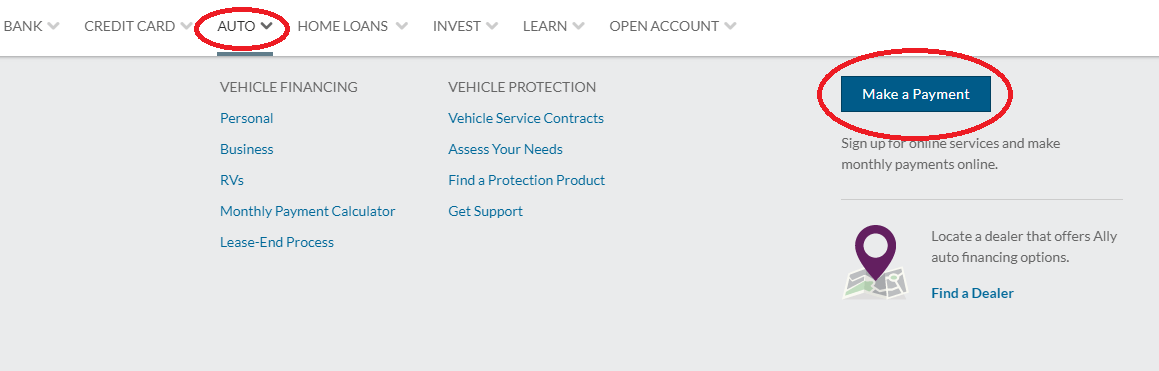
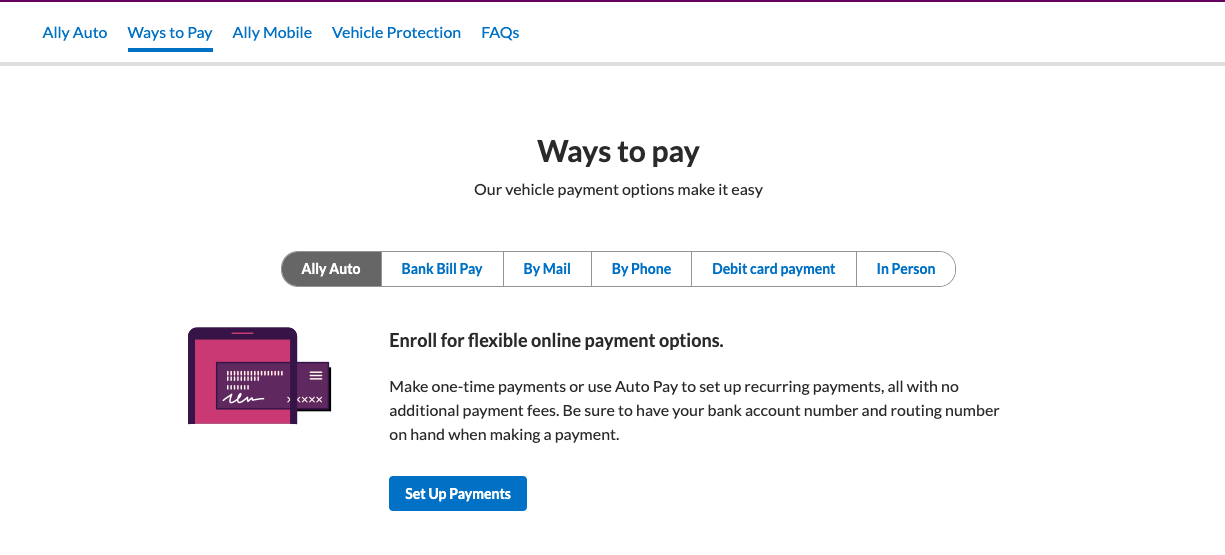
Ally auto debit card payment online is transforming the way we handle our finances, bringing convenience and efficiency to the forefront of everyday transactions. This innovative method allows users to automate their payments, ensuring bills are paid on time without the hassle of manual input. As digital payment solutions continue to evolve, understanding their benefits and functionalities can significantly enhance your financial management experience.

With the rise of online banking and digital tools, utilizing an ally auto debit card for online payments streamlines the process, making it simpler for individuals to keep track of their expenses. In this guide, we will explore how this payment method works, its advantages, and what you need to consider to make the most out of your ally auto debit card.
In today’s fast-paced world, achieving a balance between work and personal life can feel like an uphill battle. Many of us find ourselves caught in the whirlwind of deadlines, meetings, and endless to-do lists, often leaving little room for the things that truly matter. However, finding that sweet spot between professional responsibilities and personal fulfillment is not only essential for mental well-being but also leads to increased productivity and satisfaction in both areas of life.
In this article, we’ll explore practical tips and strategies to help you master the art of balancing work and life.
Understanding Work-Life Balance
Work-life balance refers to the equilibrium between an individual’s professional responsibilities and personal life. It involves managing your time and energy effectively to ensure you can engage in both work-related tasks and personal activities without feeling overwhelmed. Striking a healthy balance is crucial, as neglecting one side can lead to burnout, stress, and strained relationships.
1. Set Clear Boundaries
One of the first steps in achieving work-life balance is establishing clear boundaries between work and personal time. This means defining specific work hours and sticking to them. Communication is key; let your colleagues and supervisors know your work schedule and make it known when you are unavailable. Setting boundaries helps create a mental separation between work and home life, allowing you to recharge when you’re not on the clock.
2. Prioritize Your Tasks
With a never-ending list of tasks, prioritization becomes essential. Start by identifying what’s urgent and what can wait. Utilize tools like the Eisenhower Matrix or digital task management apps to categorize your tasks effectively. By focusing on what truly matters, you’ll be able to tackle your workload more efficiently, freeing up time for your personal pursuits.
3. Embrace Flexibility
Life is unpredictable, and sometimes our plans go awry. Embracing flexibility allows you to adapt to changes without feeling overwhelmed. Consider negotiating flexible working arrangements with your employer, such as remote work or adjusted hours. This can provide you with the freedom to manage personal commitments without sacrificing your professional responsibilities.
4. Make Time for Self-Care
Self-care is not a luxury; it’s a necessity. Taking time for yourself to relax, exercise, and engage in hobbies can significantly improve your overall well-being. Schedule regular breaks during your workday and try to incorporate activities that bring you joy into your routine. Whether it’s a short walk, reading a book, or practicing mindfulness, self-care will rejuvenate your mind and body.
5. Foster Supportive Relationships
Having a strong support system can make a world of difference when it comes to maintaining work-life balance. Cultivate relationships with friends, family, and colleagues who understand your goals and challenges. Don’t hesitate to lean on them when you need advice or a listening ear. Additionally, consider joining professional networks or support groups where you can share experiences and learn from others facing similar challenges.
6. Learn to Say No
It’s easy to fall into the trap of overcommitting, especially if you’re eager to please others. However, learning to say no is a vital skill in maintaining your balance. Assess each request against your current workload and personal priorities. Remember, it’s okay to decline opportunities that don’t align with your goals or that could jeopardize your well-being.
7. Disconnect from Technology
In an era dominated by technology, it can be challenging to disconnect from work. Set specific times to check emails and work-related messages, and stick to them. When you’re off the clock, resist the urge to engage in work-related communications. Establishing tech-free zones or times, especially during family meals or bedtime, can enhance your personal interactions and improve your mental health.
8. Plan Quality Family Time
Quality time with loved ones is crucial for a balanced life. Schedule regular family activities, whether it’s a weekend getaway, a dinner at home, or a simple game night. These moments foster connection and create lasting memories, helping you to unwind from the stresses of work. Make it a priority to be fully present during this time by putting away distractions and engaging wholeheartedly with your family.
9. Pursue Personal Interests
Don’t forget to nurture your passions outside of work. Whether it’s painting, dancing, or gardening, engaging in activities that ignite your interests can bring joy and fulfillment to your life. Make time for these hobbies, as they can serve as a refreshing escape from daily responsibilities and foster creativity, which can, in turn, enhance your work performance.
10. Regularly Assess Your Balance
Achieving work-life balance is an ongoing process, and it’s essential to regularly assess how well you are managing it. Take time to reflect on your current situation and consider what adjustments may be necessary. Are you feeling overly stressed at work? Are personal commitments being neglected? By conducting regular check-ins, you can make informed decisions to better align your work and personal life.
Conclusion
Finding the right work-life balance is not a one-size-fits-all approach; it requires self-awareness, commitment, and flexibility. By setting boundaries, prioritizing tasks, and making time for self-care and relationships, you can create a more harmonious lifestyle. Remember, balance is not about perfection but rather about making choices that best serve your overall well-being. With these tips in hand, you’re well on your way to mastering the art of balancing work and life.
Commonly Asked Questions
How do I set up my ally auto debit card for online payments?
You can set up your ally auto debit card by logging into your online banking account, navigating to the payment settings, and following the prompts to link your debit card.
Are there any fees associated with using the ally auto debit card for payments?
Generally, there are no fees for using your ally auto debit card for online payments, but it’s best to check with your account terms for any specific conditions.
Can I use my ally auto debit card internationally?
Yes, you can use your ally auto debit card for international transactions, but be aware of potential foreign transaction fees that may apply.
What should I do if a payment fails with my ally auto debit card?
If a payment fails, check your account balance and ensure your card information is up to date. You may need to contact customer service for further assistance.
Is my payment information secure with ally auto debit card transactions?
Yes, ally employs robust security measures to protect your payment information during online transactions, ensuring your data is safe.