ach payment vs debit card kicks off a fascinating exploration into two popular methods of financial transaction. Each option offers unique advantages and challenges that can significantly impact both consumers and businesses. Understanding these differences can enhance your decision-making regarding everyday purchases and larger transactions.
As we delve deeper, we will examine the definitions, functionalities, and contexts in which each payment method excels, shedding light on their respective roles in our increasingly digital financial landscape.
In today’s fast-paced world, the concept of sustainable living has gained significant traction. As our planet faces unprecedented challenges such as climate change, pollution, and dwindling natural resources, the way we live our lives needs to evolve. This article delves into the essence of sustainable living, why it matters, and practical steps we can take to adopt a more eco-friendly lifestyle.
Understanding Sustainable Living
Sustainable living is a lifestyle that strives to reduce an individual’s or society’s use of the Earth’s natural resources. It aims to meet our present needs without compromising the ability of future generations to meet their own needs. This often involves a conscious effort to minimize waste, conserve energy, and make ethical choices in consumption. Essentially, it’s about living in harmony with the environment.
Why Sustainable Living Matters
The ramifications of unsustainable practices are becoming increasingly evident. From rising sea levels to extreme weather events, our actions have a direct impact on the planet. Here are a few reasons why sustainable living is crucial:
- Climate Change Mitigation: Transitioning to sustainable practices can significantly reduce greenhouse gas emissions. This is vital in combating global warming and preserving ecosystems.
- Resource Conservation: Our planet’s resources are finite. Sustainable living encourages us to use resources more responsibly, ensuring that they will be available for future generations.
- Health Benefits: A sustainable lifestyle often incorporates healthier choices, such as consuming organic foods and reducing reliance on processed goods, leading to improved well-being.
- Economic Savings: Reducing waste and conserving energy can lead to significant cost savings in the long run. Simple changes like using energy-efficient appliances or reducing water consumption can add up.
Practical Steps for Sustainable Living
Adopting a sustainable lifestyle might seem daunting, but even small changes can lead to significant impacts. Here are several practical steps you can take:
1. Reduce, Reuse, Recycle
These three R’s are fundamental to sustainable living. Start by reducing your consumption. Before making a purchase, ask yourself if it’s truly necessary. Reusing items can extend their life cycle, and recycling helps keep materials out of landfills.
2. Conserve Water
Water is a precious resource, and conserving it should be a priority. Simple actions like fixing leaks, taking shorter showers, and using water-efficient fixtures can make a big difference.
3. Choose Sustainable Transportation
Transportation is a significant contributor to carbon emissions. Whenever possible, opt for public transport, carpooling, biking, or walking. If you’re in the market for a new vehicle, consider an electric or hybrid model.
4. Support Local and Sustainable Businesses
By choosing to purchase from local farmers and artisans, you not only support the local economy but also reduce the carbon footprint associated with transporting goods over long distances. Look for products that are certified organic or fair trade.

5. Adopt a Plant-Based Diet
Reducing meat and dairy consumption can significantly lower your carbon footprint. Incorporating more plant-based meals into your diet not only benefits the planet but can also improve your health.
6. Educate and Advocate
Share your knowledge about sustainable living with friends and family. Engaging in discussions, attending workshops, or joining community initiatives can amplify your impact and inspire others to adopt similar practices.
Challenges to Sustainable Living
Despite the numerous benefits of sustainable living, there are challenges that many face:
- Cost: While sustainable products often save money in the long run, their initial costs can be prohibitive for some individuals.
- Convenience: Many sustainable options require more planning and effort, which can deter individuals from adopting them.
- Lack of Awareness: Some people may not fully understand the importance of sustainable practices or may feel overwhelmed by the information available.
Conclusion
Sustainable living is not just a trend; it’s a necessary shift in how we interact with our environment. By embracing sustainable practices, we can protect our planet, enhance our health, and create a better future for generations to come. Even small changes can lead to big impacts, so start today by implementing one or two sustainable actions into your daily life.
The health of our planet—and future generations—depends on our commitment to living sustainably.
Helpful Answers
What are the main differences between ACH payments and debit cards?
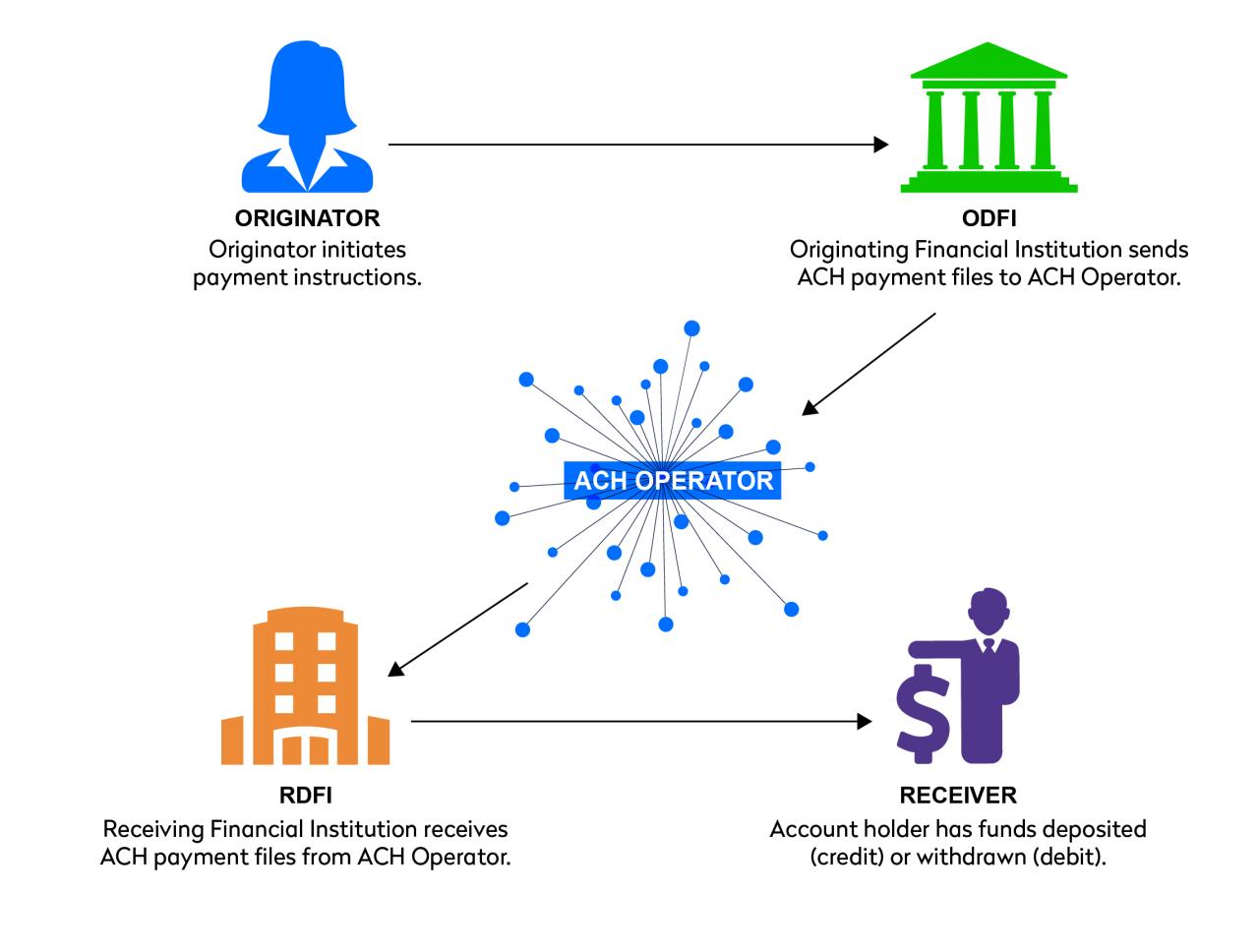
ACH payments are typically bank-to-bank transfers that can take a few days to process, while debit cards allow for instant transactions directly from your bank account at points of sale.
Are there fees associated with ACH payments?
Yes, some financial institutions may charge fees for ACH transactions, though these are often lower than debit card transaction fees.
Can I use ACH payments for online shopping?
Yes, many online retailers accept ACH payments, but debit cards are generally more widely accepted.
Which payment method is safer?
Both methods have security features, but ACH payments may have a slight edge due to their bank-level processing, while debit cards are more susceptible to fraud if compromised.
How long does it take for ACH payments to clear?
ACH payments usually take 1-3 business days to clear, whereas debit card transactions are typically instant.