Beginning with adobe experience decisioning, the narrative unfolds in a compelling and distinctive manner, drawing readers into a story that promises to be both engaging and uniquely memorable.

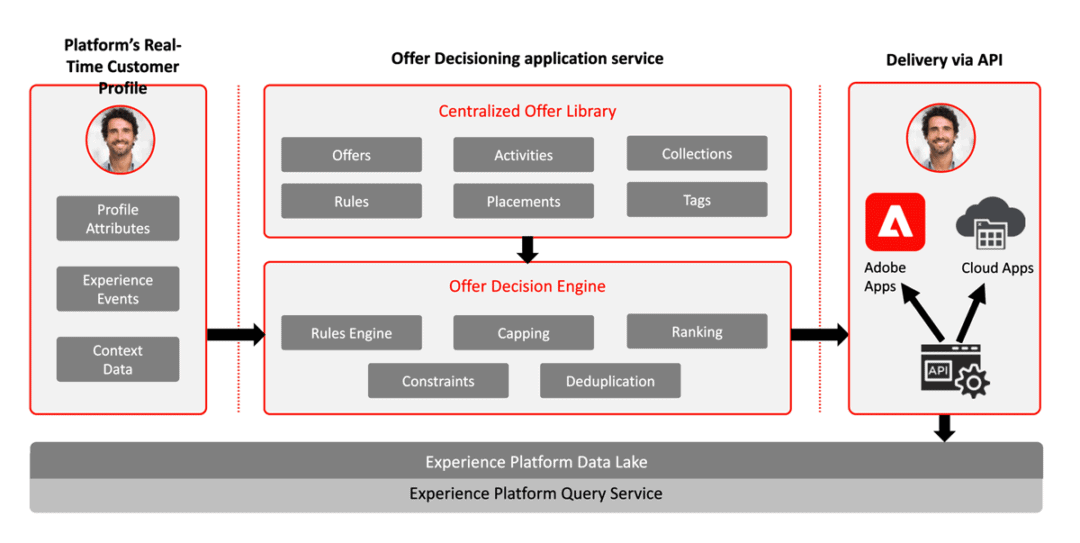
Adobe Experience Decisioning is at the forefront of enhancing customer experiences by leveraging data-driven insights to make informed decisions. In a world where personalization is key, this platform enables businesses to tailor their offerings, ensuring relevance and engagement with their target audience.
Technology has undeniably transformed various sectors, and education is no exception. The advent of digital tools and online resources has reshaped the way students learn, teachers instruct, and educational institutions operate. This article delves into the significant impacts technology has on modern education, highlighting both its advantages and challenges.
The Rise of E-Learning
One of the most notable shifts in education is the rise of e-learning. Online courses, webinars, and educational platforms like Coursera, Udemy, and Khan Academy have made quality education more accessible than ever. Students can now learn at their own pace, choosing from a vast array of subjects that might not be available in their local institutions. This flexibility caters to diverse learning styles and schedules, especially for those who may be working or have other commitments.
Interactive Learning Experiences
Technology also fosters more interactive learning experiences. Utilizing tools such as virtual reality (VR) and augmented reality (AR), educators can create immersive environments that enhance understanding and retention of complex subjects. For instance, medical students can practice surgical procedures in a risk-free simulated environment, while history students can take virtual tours of ancient civilizations. This hands-on approach not only engages students but also deepens their comprehension of the material.
Personalized Learning
Another significant benefit of technology in education is the ability to personalize learning. Adaptive learning technologies analyze students’ performance and tailor educational content to meet their individual needs. Programs that adjust their difficulty based on a student’s understanding allow for a customized learning experience, ultimately leading to better educational outcomes. This is particularly beneficial for students who may struggle in traditional settings, as they can receive targeted support and resources.
Collaboration and Communication
Technology has also enhanced collaboration and communication among students and educators. Platforms like Google Classroom, Microsoft Teams, and Slack enable real-time interaction and group work, regardless of geographical barriers. This ability to collaborate online prepares students for the modern workforce, where remote teamwork is increasingly common. Moreover, teachers can provide immediate feedback and assistance, fostering a more supportive learning environment.
Challenges of Technology in Education
Despite its many benefits, integrating technology into education does come with challenges. One major concern is the digital divide, as not all students have equal access to the internet and digital devices. This disparity can exacerbate existing educational inequalities, leaving some students disadvantaged. Furthermore, there is the issue of screen time and its potential negative effects on students’ health and well-being.
It’s crucial for educators and parents to find a balance in technology use to ensure that it complements, rather than hinders, students’ overall development.
Teacher Training and Adaptation
Another significant challenge lies in the need for adequate teacher training. Educators must be equipped with the skills and knowledge to effectively integrate technology into their teaching practices. Continuous professional development is essential to ensure that teachers can navigate new tools and methodologies confidently. Without proper training, there is a risk that technology may not be utilized to its full potential, resulting in a lack of engagement and effectiveness in the classroom.
Future of Education and Technology
As we look to the future, the role of technology in education is expected to grow even more profound. Innovations such as artificial intelligence (AI) and machine learning will likely play a crucial role in shaping personalized learning experiences. Virtual classrooms may become the norm, allowing students from different parts of the world to learn together in real-time. Moreover, the integration of gamification in education can make learning more enjoyable and effective, motivating students to engage with the material actively.
Conclusion
In conclusion, technology has significantly impacted modern education, offering numerous benefits while also presenting challenges. The rise of e-learning, interactive experiences, personalized learning, and enhanced collaboration are just a few examples of how technology is reshaping the educational landscape. However, addressing issues such as the digital divide, ensuring teacher training, and balancing screen time will be essential to harnessing technology’s full potential in education.
As we move forward, it is crucial to embrace these changes thoughtfully, ensuring that technology serves as a tool for empowerment and growth in the learning process.
Questions Often Asked
What is Adobe Experience Decisioning?
Adobe Experience Decisioning is a platform that allows businesses to make data-driven decisions to enhance customer experiences through personalized content and recommendations.
How does Adobe Experience Decisioning improve marketing?
It utilizes customer data and insights to tailor marketing efforts, ensuring that communications are relevant and engaging for each individual.
Can Adobe Experience Decisioning integrate with other Adobe products?
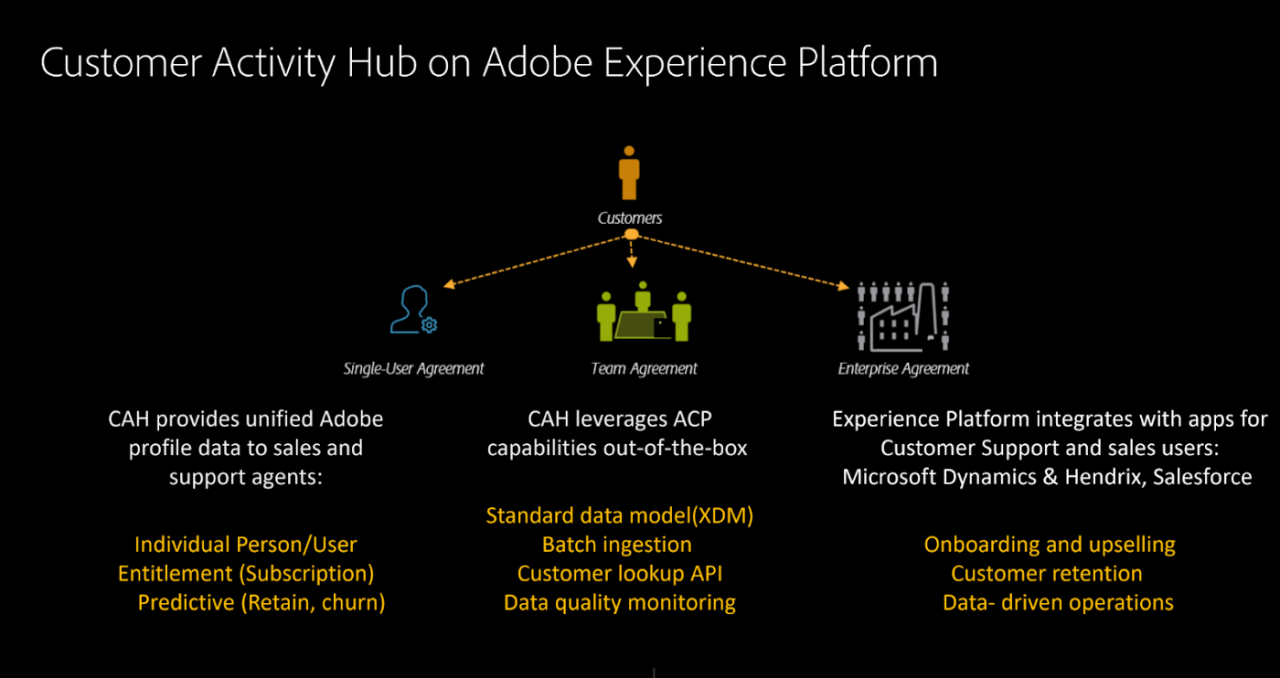
Yes, it seamlessly integrates with other Adobe solutions, enhancing overall marketing strategies and workflows.
Is Adobe Experience Decisioning suitable for small businesses?
Yes, it can be adapted to suit businesses of all sizes, providing tools that scale with the business’s needs.
What are the key benefits of using Adobe Experience Decisioning?
The key benefits include improved customer engagement, increased conversion rates, and enhanced ability to deliver personalized content at scale.