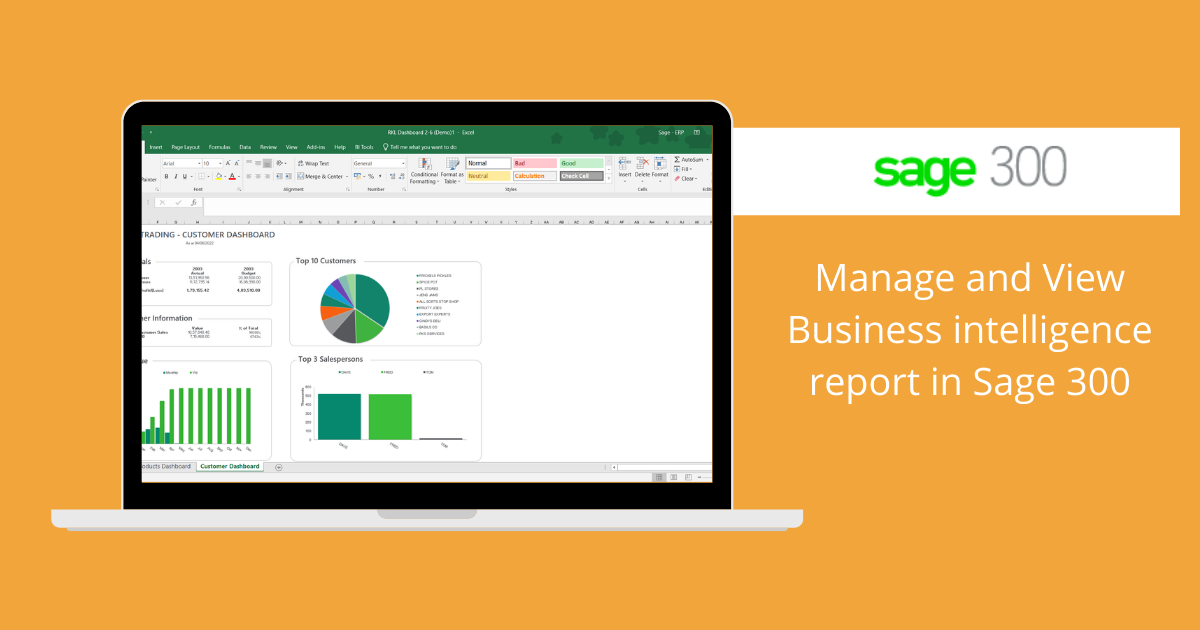
Sage business intelligence is revolutionizing the way organizations harness data to drive decision-making and enhance operational effectiveness. In a world where information is abundant, this powerful tool provides insights that transform raw data into actionable strategies, allowing businesses to stay competitive. Organizations can leverage sage business intelligence to understand market trends, customer behaviors, and operational efficiencies, making it an indispensable asset in today’s data-driven economy.
By integrating various data sources and employing advanced analytical techniques, sage business intelligence empowers companies to make informed choices that align with their strategic goals. From financial forecasting to performance tracking, the comprehensive capabilities of this tool ensure that businesses can navigate complexities with confidence.
In recent years, sustainable living has become a hot topic, gaining traction as an essential lifestyle choice not just for individuals but for communities and nations as a whole. As we face escalating environmental challenges, the concept of sustainability is no longer a mere buzzword; it has evolved into a crucial mindset for ensuring a healthy planet for future generations.
This article explores the significance of sustainable living, its impact on our environment, and practical ways to incorporate it into daily life.
Understanding Sustainable Living
Sustainable living refers to a lifestyle that seeks to reduce an individual’s or society’s use of the Earth’s natural resources and personal resources. The aim is to create a balance where human needs are met without compromising the ability of future generations to meet their own needs. This encompasses various aspects of daily life, including energy consumption, waste management, transportation, and food choices.
The Current State of Our Planet
As we move deeper into the 21st century, the evidence of environmental degradation is more apparent than ever. Climate change, deforestation, biodiversity loss, and pollution are just a few of the pressing issues we face. The global population is projected to reach 9.7 billion by 2050, placing unprecedented pressure on our resources. This reality underscores the importance of adopting sustainable practices to mitigate some of these challenges.
The Benefits of Sustainable Living
Embracing a sustainable lifestyle comes with a myriad of benefits that extend beyond environmental health. Here are several key advantages:
- Environmental Preservation: By reducing our carbon footprint, we contribute to the conservation of natural ecosystems. Sustainable living practices like recycling, composting, and using renewable energy sources help preserve biodiversity and reduce pollution.
- Healthier Lifestyle: Sustainable living often promotes healthier choices, such as consuming organic foods, reducing processed foods, and engaging in outdoor activities. This can lead to improved physical and mental health.
- Financial Savings: Many sustainable practices can lead to significant cost savings in the long run. For example, using energy-efficient appliances, reducing water usage, and investing in public transportation can lower utility bills and transportation costs.
- Community Engagement: Sustainable living fosters a sense of community. By participating in local initiatives, such as community gardens or clean-up drives, individuals can strengthen social ties and contribute to a shared vision for a healthier environment.
How to Incorporate Sustainable Living
Transitioning to a sustainable lifestyle doesn’t have to be overwhelming. Here are some practical steps that anyone can take to make a positive impact:
1. Reduce, Reuse, Recycle
The mantra of “reduce, reuse, recycle” is a great starting point. Strive to minimize waste by choosing products with less packaging, reusing items whenever possible, and recycling materials like paper, glass, and plastics.
2. Conserve Energy
Switching to energy-efficient bulbs, unplugging devices when not in use, and investing in smart home technology can significantly reduce energy consumption. Consider renewable energy options, such as solar panels, to power your home sustainably.
3. Choose Sustainable Transportation
Whenever possible, opt for public transport, biking, or walking instead of driving. If you need a vehicle, consider a fuel-efficient or electric car. Carpooling can also significantly reduce carbon emissions.
4. Support Local and Organic Products
Buying locally-sourced and organic products reduces transportation emissions and supports local economies. Farmers’ markets are a great place to find fresh produce and artisanal goods.
5. Practice Sustainable Gardening
If you have space, consider growing your own fruits and vegetables. Sustainable gardening practices, such as using native plants and organic pest control, can contribute to a healthier ecosystem.

The Role of Education
Education plays a critical role in promoting sustainable living. By raising awareness about environmental issues and teaching sustainable practices, we can empower individuals to make informed choices. Schools and communities can implement educational programs that highlight the importance of sustainability, encouraging the next generation to prioritize the health of the planet.

Conclusion
In conclusion, embracing sustainable living is not just a personal choice; it is a collective responsibility that will shape the future of our planet. By making conscious decisions in our daily lives—whether through reducing waste, conserving energy, or supporting sustainable practices—we can contribute to a healthier environment for ourselves and future generations. The time to act is now. Through small, consistent changes, we can collectively create a more sustainable world.
User Queries
What is sage business intelligence?
Sage business intelligence is a suite of tools designed to help organizations analyze data and derive insights to improve decision-making.
How does sage business intelligence benefit businesses?
It provides actionable insights that help businesses understand trends, optimize operations, and enhance strategic planning.
Is sage business intelligence user-friendly?
Yes, it is designed with user-friendly interfaces that allow users to easily navigate and utilize the tools effectively.
What types of data can be analyzed with sage business intelligence?
Sage business intelligence can analyze various data types, including financial, operational, and customer data.
Can sage business intelligence integrate with other software?
Yes, it often integrates seamlessly with other business applications to provide a comprehensive view of data.