Sales of electronics have become a cornerstone of modern commerce, significantly impacting our daily lives and the global economy. As technology advances at a rapid pace, the demand for electronic devices continues to soar, shaping consumer habits and industry standards. This overview delves into the various facets of electronics sales, from market trends to consumer preferences, highlighting the essential role these products play in fostering connectivity and enhancing lifestyles.
Understanding the dynamics of electronics sales involves exploring the diverse types of devices available, the channels through which they are sold, and the shifting consumer demands that guide purchasing decisions. From smartphones and laptops to smart home devices, the electronics market is both vast and ever-evolving, making it a fascinating subject for both consumers and industry professionals alike.
In today’s fast-paced world, the importance of maintaining a healthy work-life balance cannot be overstated. With technology making it easier than ever to stay connected, the lines between work and personal time have blurred significantly. This article will delve into the significance of achieving a harmonious balance between professional responsibilities and personal life, highlighting strategies to help individuals reclaim their time and enhance their overall wellbeing.To begin, let’s consider what work-life balance actually means.
At its core, it refers to the equilibrium between the time allocated to work and the time dedicated to personal life. Achieving this balance is essential not only for improving productivity but also for ensuring mental and physical health. When individuals are overworked, stress levels can soar, leading to burnout. Burnout, a state of emotional, physical, and mental exhaustion, can significantly affect one’s performance at work and satisfaction in personal life.One of the major reasons people struggle with work-life balance is the pressure to perform.
In competitive environments, employees often feel compelled to work longer hours, sacrificing personal time to meet deadlines or exceed expectations. This culture can lead to a vicious cycle where the more one works, the more they feel they need to work, leaving little room for relaxation or personal fulfillment.To combat this trend, it’s crucial to set boundaries. Implementing boundaries allows individuals to maintain a clear distinction between work and personal time.
This could mean designating specific hours for work and strictly adhering to them. For instance, setting a rule to not check work emails after a certain hour can help reinforce personal time. Additionally, communicating these boundaries to coworkers and managers can foster an understanding of when one is available and when they are not.Another effective strategy is to prioritize tasks.
Not all tasks hold equal importance, and recognizing this can help one manage their time more effectively. Utilizing tools such as the Eisenhower Matrix can aid in categorizing tasks based on urgency and importance. By focusing first on what truly matters, individuals can work more efficiently, reducing the time spent on less critical activities.Moreover, taking breaks is essential for maintaining productivity.
It might seem counterintuitive, but stepping away from work periodically can actually lead to greater efficiency. Short breaks can rejuvenate the mind, providing the clarity needed to tackle tasks with renewed vigor. Techniques such as the Pomodoro Technique, which involves working for 25 minutes followed by a 5-minute break, can help reinforce this practice.Additionally, incorporating wellness activities into one’s routine can significantly contribute to a better work-life balance.
Regular exercise, mindfulness practices, or even simple hobbies can alleviate stress and improve overall wellbeing. Exercise, in particular, has been proven to boost mood and energy levels, making it easier to tackle both work and personal tasks.Social connections also play a crucial role in achieving a balanced life. Maintaining relationships with family, friends, and colleagues can provide emotional support and foster a sense of belonging.
Engaging in social activities or simply spending time with loved ones can serve as a much-needed escape from work pressures. It’s important to prioritize these relationships and carve out time for social interactions, even amidst a busy schedule.Employers have a significant role to play in promoting work-life balance as well. Organizations that foster a healthy work environment often see increased employee satisfaction and retention.
Offering flexible work arrangements, such as remote work or adjustable hours, can empower employees to manage their time better. Additionally, promoting a culture that values mental health can encourage employees to seek help when needed without fear of judgment.The advent of technology has revolutionized the way we work, but it has also made it more challenging to disconnect. The ‘always-on’ culture perpetuated by smartphones and constant connectivity can lead to feelings of obligation to respond to work-related matters at all hours.
To counter this, individuals should consider digital detoxes—designating specific times to unplug from devices. This can significantly enhance one’s ability to engage fully in personal life without the distractions of work.As we reflect on the journey towards achieving a better work-life balance, it’s vital to recognize that it’s an ongoing process. Life is full of changes and challenges, and what works for one person may not work for another.
Therefore, it’s essential to regularly assess one’s situation and be willing to make adjustments as necessary. This could involve reassessing priorities, altering work schedules, or even seeking professional guidance if needed.In conclusion, the pursuit of a healthy work-life balance is not merely a trend; it’s a necessary aspect of living a fulfilling life. By setting boundaries, prioritizing tasks, taking breaks, and fostering connections, individuals can reclaim their time and improve their overall quality of life.
Employers, too, play a critical role in this balance, and by creating supportive work environments, they can help cultivate happier, more productive teams. Ultimately, achieving work-life balance requires conscious effort, but the rewards are well worth it—a healthier, happier, and more engaged life both at work and beyond.
Answers to Common Questions
What are the most popular electronic devices sold today?
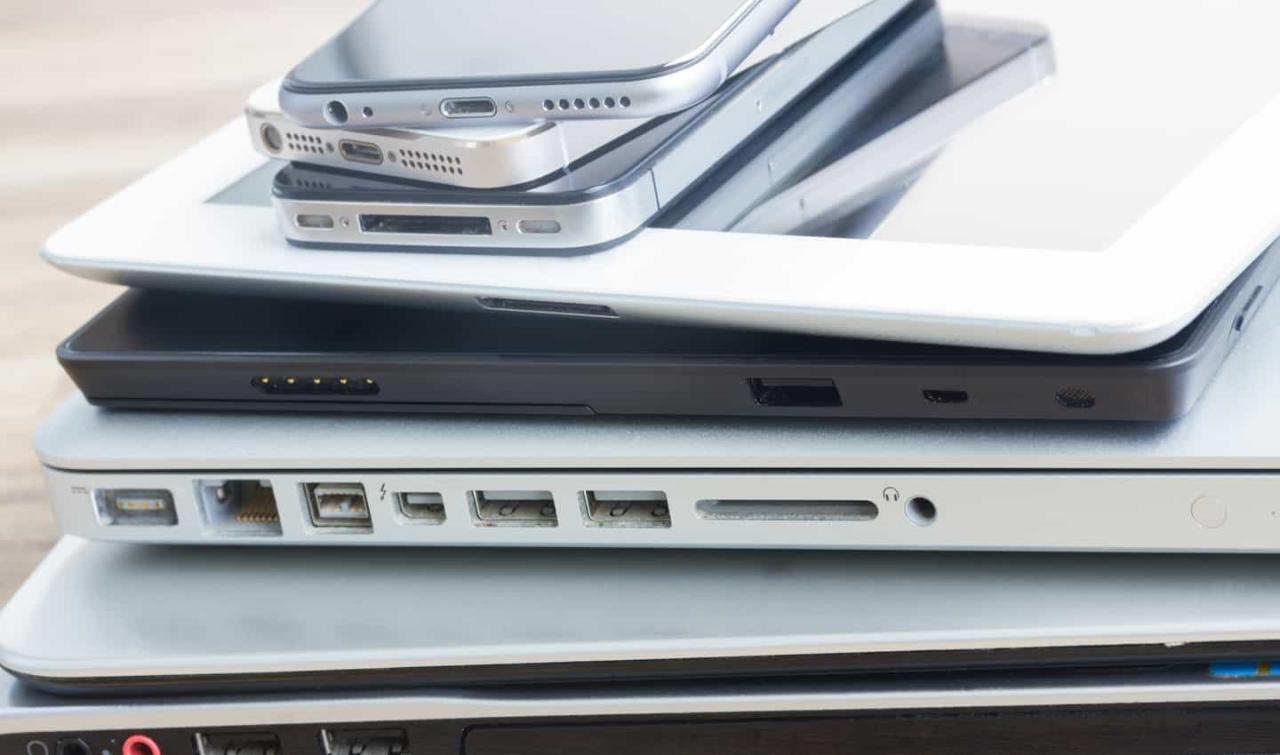
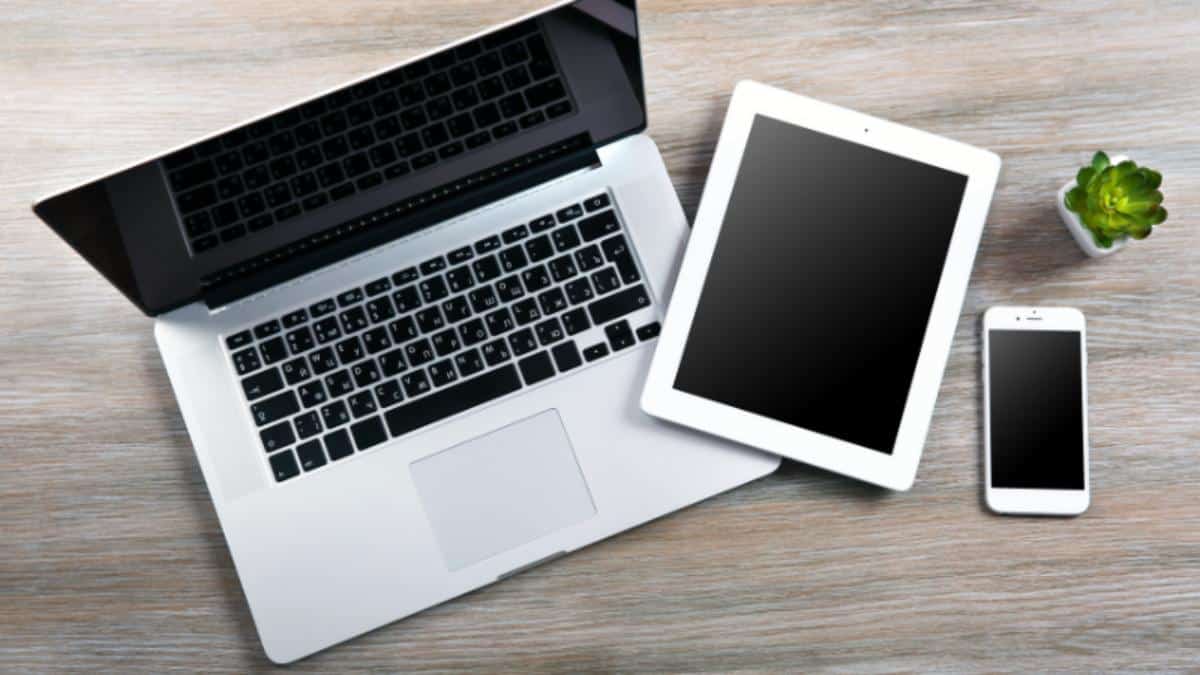
Smartphones, laptops, tablets, and smart home devices are among the most popular electronic items in today’s market.
How do seasonal trends affect electronics sales?
Seasonal events like back-to-school sales and holiday shopping seasons typically see a spike in electronics sales due to promotional discounts and consumer demand.
What factors influence consumer purchasing decisions in electronics?
Factors include brand reputation, product features, pricing, and peer reviews, as well as the latest technological advancements.
How has online shopping impacted electronics sales?

Online shopping has significantly increased the accessibility and convenience of purchasing electronics, leading to higher overall sales and competition among retailers.
What role do reviews play in the sales of electronics?
Customer reviews are crucial as they influence other buyers’ decisions by providing insights into product performance and reliability.