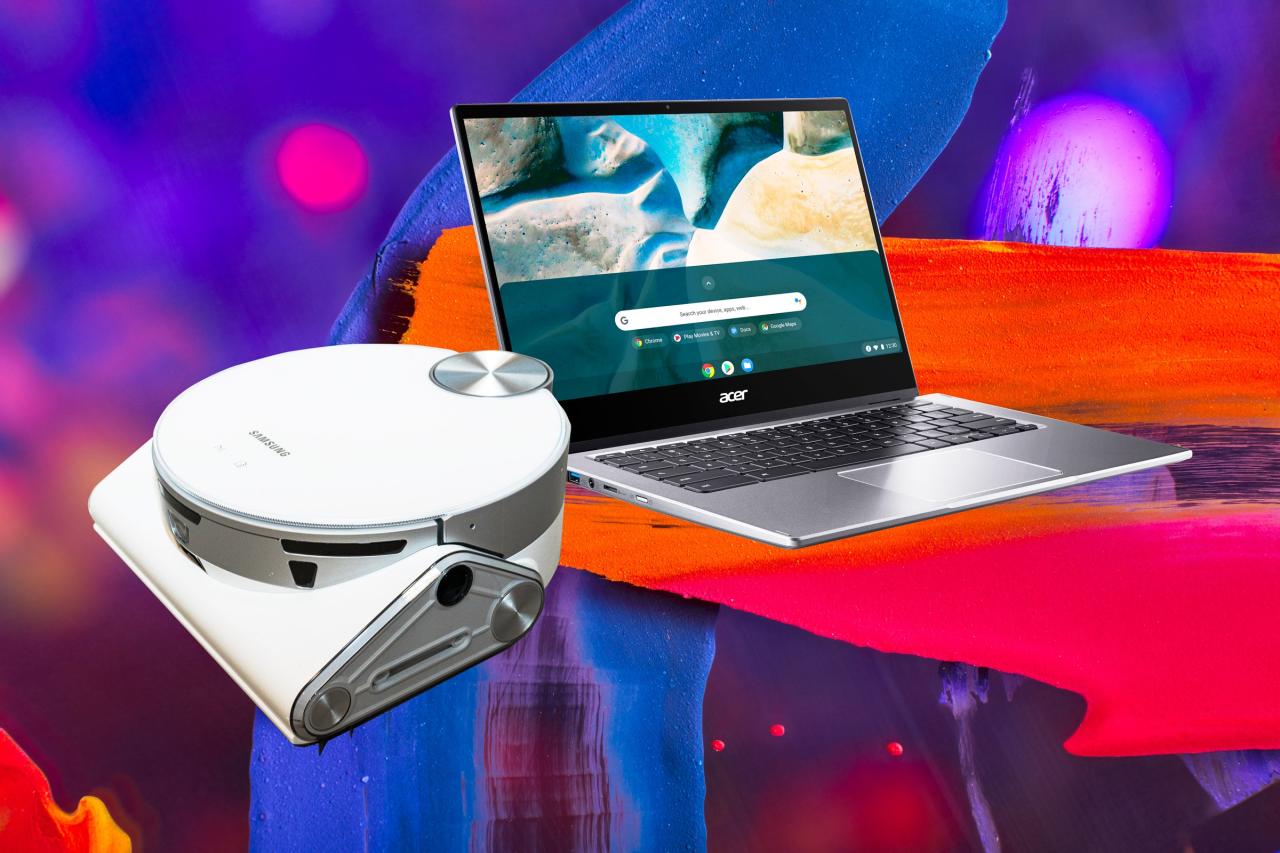
Kicking off with electronics sale, this event is your one-stop opportunity to snag the latest gadgets and devices at jaw-dropping prices. From smartphones to laptops and everything in between, there’s something for everyone during this exciting period of discounts and offers.
This sale not only helps you save money but also allows you to upgrade your tech game with cutting-edge products that enhance your lifestyle. Whether you’re a tech enthusiast or simply looking for a great purchase, the electronics sale is designed to meet your needs while providing value for your money.
Digital communication has transformed the way we connect, share, and interact with one another. From the early days of the internet to today’s sophisticated platforms, the evolution of digital communication has been a fascinating journey, marked by technological advancements and changing societal norms. This article will trace the development of digital communication, exploring its various forms, impacts, and future trends.
1. The Dawn of Digital Communication
The history of digital communication can be traced back to the late 20th century, a time when personal computers began to gain popularity. Initially, communication was limited to basic text-based exchanges through platforms like email and early chat services.
Email, developed in the 1970s, became one of the first forms of digital communication, allowing users to send messages across networks. While it was relatively simplistic compared to today’s standards, it laid the foundation for the more complex communication systems that would follow. The introduction of the World Wide Web in the early 1990s revolutionized digital communication, enabling richer interactions through multimedia content.
2. The Rise of Instant Messaging and Social Media
As the internet became more accessible, instant messaging (IM) platforms began to emerge. Services like AOL Instant Messenger and ICQ allowed users to chat in real-time, creating a more dynamic and engaging form of communication. This shift marked a significant change in how people connected, fostering a sense of immediacy and personal interaction.
The 2000s saw the advent of social media platforms such as Friendster, MySpace, and later Facebook, which further transformed digital communication. These platforms encouraged users to share personal stories, images, and ideas, leading to a more communal approach to online interaction. Social media not only connected individuals but also created digital communities centered around shared interests and experiences.
3. Mobile Communication Revolution
With the rise of smartphones in the late 2000s, digital communication underwent yet another revolution. Mobile devices made it possible for people to stay connected anytime and anywhere. Applications like WhatsApp, Snapchat, and Twitter allowed users to communicate instantly, share updates, and interact with others through multimedia formats.
This mobile communication era emphasized convenience and speed, aligning with the fast-paced lifestyle of modern society. The integration of push notifications and real-time updates further enhanced user engagement, leading to a constant flow of information and interaction.
4. The Role of Video Communication
In addition to text and image-based communication, video communication gained traction, particularly during the COVID-19 pandemic. Platforms like Zoom, Microsoft Teams, and Google Meet became indispensable for remote work and virtual gatherings. Video communication provided a sense of presence that text alone could not replicate, allowing for more personal connections even when physical distance separated individuals.
The popularity of video content has also surged on social media platforms, with services like TikTok and Instagram Reels focusing on short, engaging video clips. This shift has changed the way content is created and consumed, leading to new forms of storytelling and interaction.
5. Challenges and Concerns
While digital communication offers numerous benefits, it also presents challenges and concerns. Issues such as misinformation, cyberbullying, and the impact of social media on mental health have become increasingly prevalent. The ease of sharing information can lead to the rapid spread of false narratives, while the anonymity of online interactions can foster toxic behavior.
Moreover, the reliance on digital communication has raised concerns about the decline of face-to-face interactions. Many individuals report feeling isolated despite being constantly connected, highlighting the importance of balancing online and offline communication.
6. The Future of Digital Communication
The future of digital communication is likely to be shaped by emerging technologies such as artificial intelligence (AI), augmented reality (AR), and virtual reality (VR). These innovations have the potential to create more immersive and interactive communication experiences.
For instance, AI-driven chatbots are already enhancing customer service interactions, providing immediate responses and support. Meanwhile, AR and VR technologies could revolutionize virtual meetings and social interactions, allowing users to engage in a more lifelike manner.
7. Conclusion
The evolution of digital communication is a testament to humanity’s innate desire to connect and share experiences. As we continue to embrace new technologies, it is essential to remain aware of the challenges they present and strive for a balanced approach to communication. By understanding the past and looking forward to the future, we can foster meaningful connections in an increasingly digital world.
Clarifying Questions
What types of products are typically on sale during electronics sales?
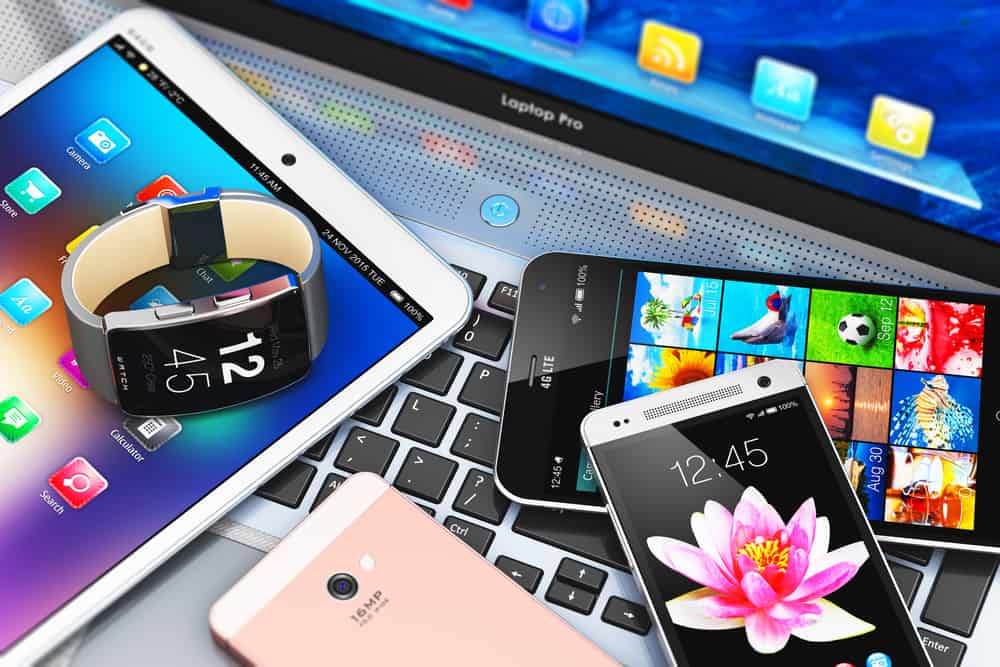
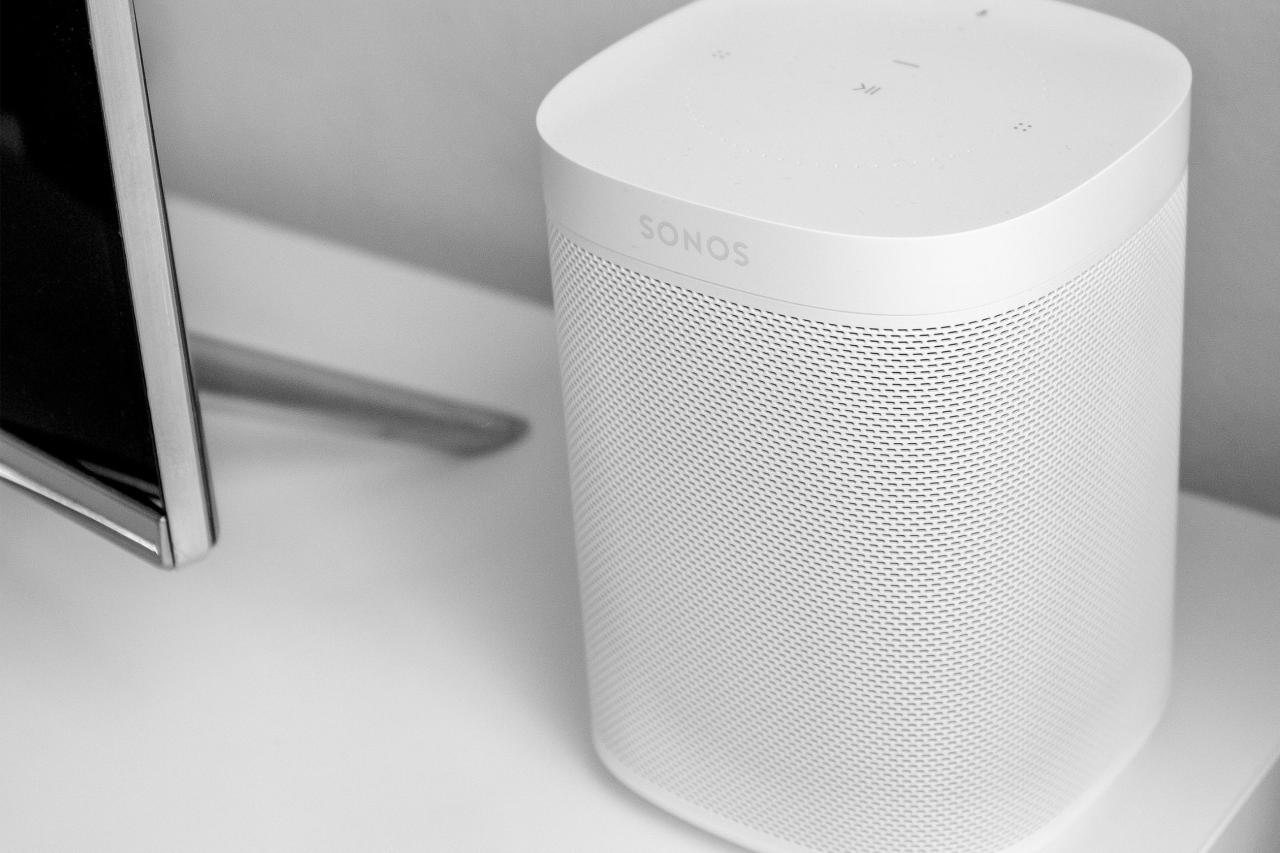
Electronics sales often feature items like smartphones, laptops, tablets, TVs, audio equipment, and smart home devices.
How can I find the best deals during an electronics sale?
To find the best deals, compare prices across different retailers, check online ads, and look for special promotions or bundled offers.
Are returns typically accepted on sale items?
Return policies vary by retailer, so it’s important to check their specific policy regarding sale items before making a purchase.
Is it better to shop online or in-store during an electronics sale?
Both options have their advantages; online shopping offers convenience and often better price comparisons, while in-store shopping allows you to see the product firsthand and ask questions.
How often do electronics sales occur throughout the year?
Electronics sales typically align with holiday seasons, back-to-school periods, and major shopping events like Black Friday or Cyber Monday.