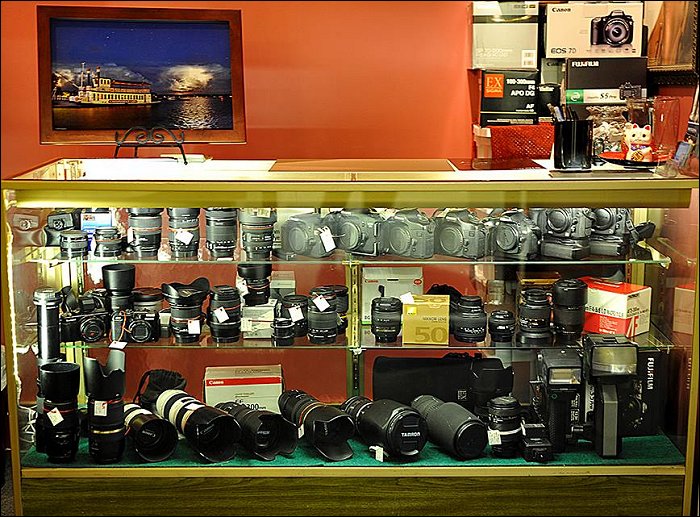
Welcome to the vibrant world of photography shop, where creativity meets professionalism, and every snapshot tells a story. This space is not just about cameras and lenses; it’s about capturing moments, preserving memories, and exploring the endless possibilities that photography offers. From novice enthusiasts to seasoned professionals, a photography shop serves as a hub for inspiration, tools, and expert advice on all things related to imagery.
Whether you’re seeking the latest gear, looking for expert guidance, or wanting to showcase your work, a photography shop is essential in nurturing your photographic journey. With a variety of services, products, and workshops available, it stands as a cornerstone for those passionate about the art of photography.

The 21st century has ushered in an era of unprecedented technological advancement, fundamentally altering the way we live, work, and communicate. From the rise of smartphones to the advent of artificial intelligence, each innovation has played a significant role in shaping our daily experiences. This article delves into the major technological milestones of the past two decades, exploring their impact on society and what the future may hold.
1. The Rise of the Internet and Connectivity
At the dawn of the 21st century, the internet was already a significant presence, but its evolution over these years has been remarkable. The introduction of broadband connectivity in the early 2000s transformed how people accessed information and connected with one another. Gone were the days of dial-up; high-speed internet became a standard, facilitating seamless communication, streaming services, and a surge in online content creation.
Social media platforms, such as Facebook, Twitter, and Instagram, emerged as powerful tools for connectivity, allowing individuals to share their lives and ideas with a global audience. These platforms have not only redefined personal interactions but have also become essential for businesses looking to engage with customers in real time.
2. The Smartphone Revolution
Perhaps one of the most transformative innovations of the 21st century is the smartphone. The launch of the iPhone in 2007 marked a turning point, setting the standard for mobile technology. Smartphones have evolved into essential tools that go beyond traditional calling and texting, serving as mini-computers that enable online shopping, navigation, photography, and much more.
This revolution has led to the development of countless applications catering to various needs, from fitness tracking to banking, fundamentally changing consumer behavior and expectations. The convenience of having everything at our fingertips has shaped a culture of immediacy, where instant gratification is often sought.
3. Advancements in Artificial Intelligence
Artificial Intelligence (AI) has seen exponential growth in the 21st century, transitioning from a futuristic concept to a practical tool employed across various industries. AI applications are now commonplace, from virtual assistants like Siri and Alexa to sophisticated algorithms that analyze massive datasets for insights in healthcare, finance, and marketing.
The integration of AI has not only enhanced efficiency but has also raised ethical questions about privacy, job displacement, and decision-making. As machines become more capable of performing tasks traditionally carried out by humans, society grapples with the implications of this shift and the need for appropriate regulations.
4. The Internet of Things (IoT)
The Internet of Things (IoT) refers to the network of interconnected devices that communicate and share data with one another. This concept has gained traction over the last decade, leading to the proliferation of smart home devices, wearable technology, and connected vehicles.
IoT devices enhance convenience and efficiency in everyday life. From smart thermostats that learn user preferences to smartwatches that monitor health metrics, IoT has integrated technology into our daily routines. However, this interconnectedness also raises concerns regarding security and privacy, highlighting the need for robust measures to safeguard personal data.
5. The Impact of Cloud Computing
Cloud computing has revolutionized how businesses and individuals store and access data. By allowing users to save files and run applications over the internet rather than on local servers, cloud services have made data management more efficient and scalable. Companies like Amazon Web Services (AWS), Google Cloud, and Microsoft Azure have become industry leaders, providing a range of services that cater to diverse business needs.
The flexibility and cost-effectiveness of cloud computing have enabled startups and enterprises to innovate rapidly without the burden of heavy infrastructure costs. Furthermore, remote work, which gained prominence during the COVID-19 pandemic, has made cloud solutions indispensable for collaboration and productivity in a distributed workforce.
6. The Future of Technology
As we look ahead, several emerging technologies promise to further shape the 21st-century landscape. Quantum computing, for instance, has the potential to solve complex problems beyond the capabilities of current computers, potentially transforming fields such as cryptography and drug discovery.
Moreover, advancements in biotechnology and genetic engineering could revolutionize healthcare, leading to personalized medicine that tailors treatments to individual patients based on their genetic makeup. As these technologies develop, ethical considerations will become increasingly important, requiring society to balance innovation with responsible stewardship.
7. Conclusion
The evolution of technology in the 21st century has been a remarkable journey, characterized by rapid advancements that have transformed our world. From the way we communicate and access information to how we conduct business and manage our health, technology has become deeply embedded in our daily lives. As we continue to embrace new innovations, it is vital to consider their implications and ensure that we harness technology for the greater good.
The future is bright, but it is our responsibility to shape it wisely.
Frequently Asked Questions
What services do photography shops offer?
Photography shops typically offer camera sales, rental services, photo printing, workshops, and expert consultations.
How can I choose the right camera for my needs?
Consider your photography style, budget, and preferred features; shop staff can help guide you based on these criteria.
Do photography shops provide repair services?
Many photography shops offer repair services for cameras and lenses, ensuring your equipment is always in top condition.

Can I sell my photography work at a photography shop?
Some photography shops may have programs to showcase local artists’ work or host events, so it’s worth inquiring about opportunities.
How do photography workshops work?
Workshops typically involve hands-on training led by experienced photographers, covering various topics from basics to advanced techniques.