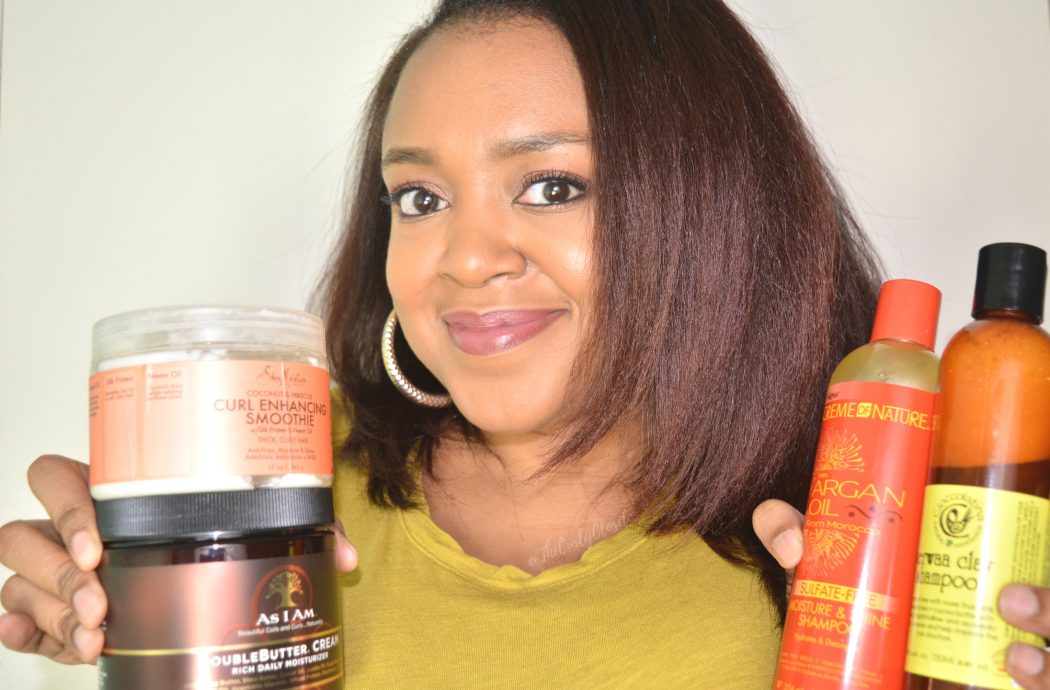
Natural hair care products that promote hair growth effectively invite you into the world of lush, vibrant hair that flourishes with the right ingredients. From nourishing oils to revitalizing shampoos, these products harness nature’s best to stimulate growth and strengthen your locks. In this discussion, we’ll explore how these natural solutions can transform your hair care routine, leading to healthier and more resilient hair.

As we delve deeper, you’ll discover the essential components of effective hair growth products, understand the science behind their beneficial properties, and learn how to choose the right ones tailored to your hair type. Get ready to unlock the secrets of nature that encourage hair vitality and growth!
In our fast-paced modern world, the importance of effective communication cannot be overstated. Whether in personal relationships, professional settings, or casual encounters, how we convey our thoughts and feelings can significantly impact the outcomes of our interactions. This article delves into the nuances of communication, exploring its various forms, the barriers that can arise, and strategies for enhancing our communicative effectiveness.
At its core, communication is the process of exchanging information. It encompasses a wide range of methods, including verbal communication, non-verbal cues, and written formats. Each form has its own strengths and weaknesses, and understanding these can help us choose the most effective approach for our specific context.
Verbal communication is perhaps the most obvious and widely used form. It involves speaking and listening, allowing for direct interaction between individuals. This form of communication can be further divided into formal and informal styles. Formal communication often occurs in professional settings, characterized by structured language and adherence to etiquette. In contrast, informal communication is more relaxed, typically used among friends or family members.
Non-verbal communication, on the other hand, plays an equally vital role in how we convey our messages. Body language, facial expressions, and gestures can often speak louder than words. For instance, a warm smile can convey friendliness and approachability, while crossed arms may suggest defensiveness or discomfort. Being aware of these non-verbal signals can enhance our ability to interpret others’ feelings and intentions accurately.
Written communication has become increasingly important in today’s digital age. Emails, texts, and social media posts allow us to connect with others across vast distances. However, the lack of tone and immediate feedback in written communication can sometimes lead to misunderstandings. It’s essential to be clear and concise in our writing, considering how our words may be perceived by the reader.
Despite the various forms of communication available, several barriers can hinder effective interaction. One common barrier is language differences. When individuals speak different languages or possess varying levels of fluency, the message can easily become distorted. Additionally, jargon or technical language can alienate those not familiar with the terms used, making it crucial to tailor our language to our audience.
Emotional barriers can also impede communication. Stress, anxiety, and anger can cloud our judgment and distort our perceptions, making it challenging to engage in meaningful dialogue. In such instances, it is beneficial to take a step back, breathe, and approach conversations with an open mind and empathetic heart.
Another significant barrier to effective communication is physical distance. In a globalized world, we often interact with individuals from different parts of the globe, which can lead to issues like time zone differences and technological limitations. Video calls and instant messaging have bridged some of these gaps, but they do not fully replicate the nuances of face-to-face interactions.
To overcome these barriers, several strategies can be employed. First and foremost, active listening is essential. This means not just hearing the words spoken but also understanding the emotions and intentions behind them. By demonstrating genuine interest in what others are saying, we can foster a more open and engaging dialogue.
Furthermore, asking clarifying questions can prevent misunderstandings and ensure that all parties are on the same page. Instead of making assumptions, seeking clarification can lead to more productive conversations. For example, if a colleague presents an idea that seems unclear, asking them to elaborate can provide valuable insight and promote a collaborative environment.

Another effective strategy is to practice empathy. Putting ourselves in others’ shoes allows us to understand their perspectives better and respond thoughtfully. This is especially important in heated discussions, where emotions may run high. By acknowledging the feelings of others, we can create a safe space for open communication.
Moreover, being aware of our non-verbal cues is crucial in ensuring that our messages align with our intent. Maintaining eye contact, using appropriate gestures, and being mindful of our body language can enhance the clarity of our communication. Additionally, being conscious of our tone of voice can significantly impact how our words are received.
In conclusion, effective communication is a multifaceted skill that requires practice and awareness. By understanding the various forms of communication, recognizing potential barriers, and implementing strategies to enhance our interactions, we can create more meaningful connections with others. Whether in our personal lives or professional endeavors, investing in our communication skills can lead to improved relationships, reduced misunderstandings, and greater overall satisfaction in our interactions.
Ultimately, everyone has the potential to be an effective communicator. It involves a willingness to learn, adapt, and grow. So, as you navigate the intricacies of communication in your life, remember to stay open, be respectful, and continuously strive for clarity and understanding in every conversation you engage in. The world is a tapestry of diverse voices, and by honing our communication skills, we can contribute positively to this rich dialogue.
FAQ
What ingredients should I look for in natural hair growth products?
Look for ingredients like biotin, castor oil, essential oils (like rosemary and peppermint), and vitamins A, C, and E, which are known to support hair health and growth.
How long does it take to see results from using natural hair care products?
Results can vary, but typically, it takes around 4 to 12 weeks to notice visible improvements, depending on the product and individual hair growth cycles.
Can natural hair care products work for all hair types?
Yes, many natural hair care products are formulated to cater to different hair types. It’s essential to choose products that align with your specific hair needs.
Are there any side effects of using natural hair care products?
While natural products are generally safe, some individuals may experience allergic reactions. It’s best to perform a patch test before fully incorporating a new product into your routine.
How often should I use natural hair care products for optimal results?
It’s recommended to follow the instructions on each product, but generally using them two to three times a week can yield the best results without overwhelming your hair.