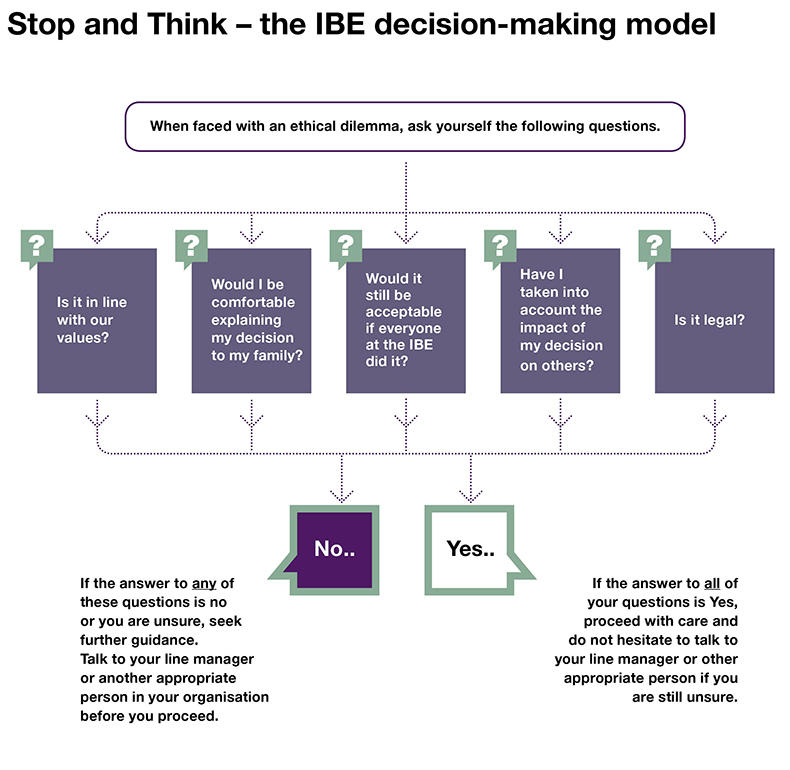
Exploring models for ethical decision making allows us to navigate the complexities of moral dilemmas with clarity and purpose. In a world increasingly defined by challenging choices, understanding these models equips individuals and organizations to make informed and principled decisions. From foundational theories to contemporary applications, this topic not only sheds light on the principles that guide us but also emphasizes the critical nature of ethical considerations in daily interactions.
As we delve deeper, we’ll examine the various frameworks that inform ethical decision-making processes, uncovering how they apply across different contexts—be it in business, healthcare, or personal life. This exploration will highlight the significance of aligning our choices with ethical standards, paving the way for a more responsible and conscientious society.

In recent years, remote work has shifted from being a rare perk to a standard practice for many businesses around the globe. The COVID-19 pandemic accelerated this trend, pushing organizations to adapt to a new reality where employees work from home. This article explores the various aspects of remote work, including its benefits, challenges, and trends shaping the future of the workplace.
Understanding Remote Work
Remote work, often referred to as telecommuting or teleworking, allows employees to perform their job duties outside of a traditional office environment. This arrangement can take various forms, including full-time remote positions, hybrid models with a mix of home and office work, or flexible schedules that permit work from anywhere.
Benefits of Remote Work
1. Flexibility and Work-Life Balance
One of the most significant advantages of remote work is the flexibility it offers. Employees can tailor their work schedules to fit personal commitments, ultimately leading to a better work-life balance. This flexibility can reduce stress and increase job satisfaction, resulting in higher productivity levels.
2. Cost Savings
Both employers and employees can save money through remote work. Organizations can reduce overhead costs associated with maintaining a physical office, such as rent, utilities, and office supplies. On the other hand, employees can save on commuting costs, work attire, and daily meals.
3. Access to a Global Talent Pool
Remote work allows companies to hire talent from anywhere in the world, breaking geographical barriers. This access to a broader talent pool enables businesses to find the best candidates for their needs, regardless of location. It also fosters diversity within teams, leading to more innovative ideas and solutions.
4. Increased Productivity
Many studies have shown that remote workers often experience higher productivity levels than their in-office counterparts. The absence of typical office distractions, such as unnecessary meetings or noise, allows employees to focus better on their tasks. Additionally, the ability to create a personalized workspace can enhance comfort and efficiency.
Challenges of Remote Work
1. Communication Barriers
While remote work offers numerous benefits, it also presents communication challenges. Without face-to-face interactions, misunderstandings can arise more easily. Teams may struggle to maintain effective communication, leading to decreased collaboration and potential project delays.
2. Feelings of Isolation
Working remotely can sometimes lead to feelings of isolation and loneliness. Employees miss out on spontaneous interactions with colleagues, which can impact team dynamics and morale. Organizations must find ways to foster connections among remote workers to combat this challenge.
3. Managing Work-Life Boundaries
While remote work provides flexibility, it can blur the lines between personal and professional life. Some employees may find it challenging to disconnect from work, leading to burnout. Implementing clear boundaries and encouraging time-off practices are essential for promoting mental well-being among remote teams.
4. Technology Dependence
Remote work relies heavily on technology, which can be a double-edged sword. While tools like video conferencing, project management software, and instant messaging facilitate collaboration, technical issues can disrupt workflows. Organizations need to invest in reliable technology and provide support to ensure smooth operations.
Trends Shaping the Future of Remote Work
1. Hybrid Work Models
As companies navigate the post-pandemic landscape, hybrid work models are becoming increasingly popular. This approach combines remote work with in-office days, allowing employees to enjoy the best of both worlds. Organizations can customize hybrid models based on their workforce’s needs, ensuring flexibility while maintaining team cohesion.
2. Emphasis on Mental Health
With the rise of remote work, there is a growing focus on mental health and well-being in the workplace. Organizations are recognizing the importance of supporting employees’ mental health through initiatives such as wellness programs, mental health days, and access to counseling services. Promoting a healthy work environment is crucial in retaining a motivated and engaged workforce.
3. Advancements in Technology
The demand for remote work has accelerated the development of innovative technologies. Tools for virtual collaboration, project management, and communication continue to evolve, making it easier for teams to work together effectively, regardless of their location. Organizations must stay updated on these advancements to enhance productivity and collaboration.
4. Focus on Results Over Hours
As remote work becomes more entrenched, many organizations are shifting their focus from monitoring hours worked to evaluating results. This outcome-based approach encourages employees to take ownership of their tasks and fosters a culture of accountability. By prioritizing results, businesses can empower employees to work in ways that suit their individual preferences and styles.
Conclusion
The rise of remote work has transformed the traditional workplace, offering numerous benefits while presenting unique challenges. As organizations adapt to this new landscape, it’s essential to prioritize communication, employee well-being, and technological advancements. By embracing the opportunities that remote work presents, companies can build a more flexible, diverse, and productive workforce, paving the way for a successful future.
Q&A
What are the main models for ethical decision making?
The main models include utilitarianism, deontological ethics, virtue ethics, and care ethics, each offering a distinct approach to evaluating moral choices.
How can these models be applied in everyday situations?

These models can be applied by analyzing the consequences of actions, adhering to moral duties, developing character traits, or considering the well-being of others in various decision-making scenarios.
What challenges arise when using these models?
Challenges include conflicting values, cultural differences, and the complexity of real-life situations that may not fit neatly into one model.
How do ethical decision-making models evolve over time?
They evolve through societal change, advancements in understanding human behavior, and the incorporation of new perspectives, which shape our ethical standards.
Can technology influence ethical decision-making?
Yes, technology can provide tools for data analysis and simulations, but it also raises new ethical dilemmas that require careful consideration of privacy, bias, and accountability.