crm software and services sets the stage for this enthralling narrative, offering readers a glimpse into a story that is rich in detail and brimming with originality from the outset.
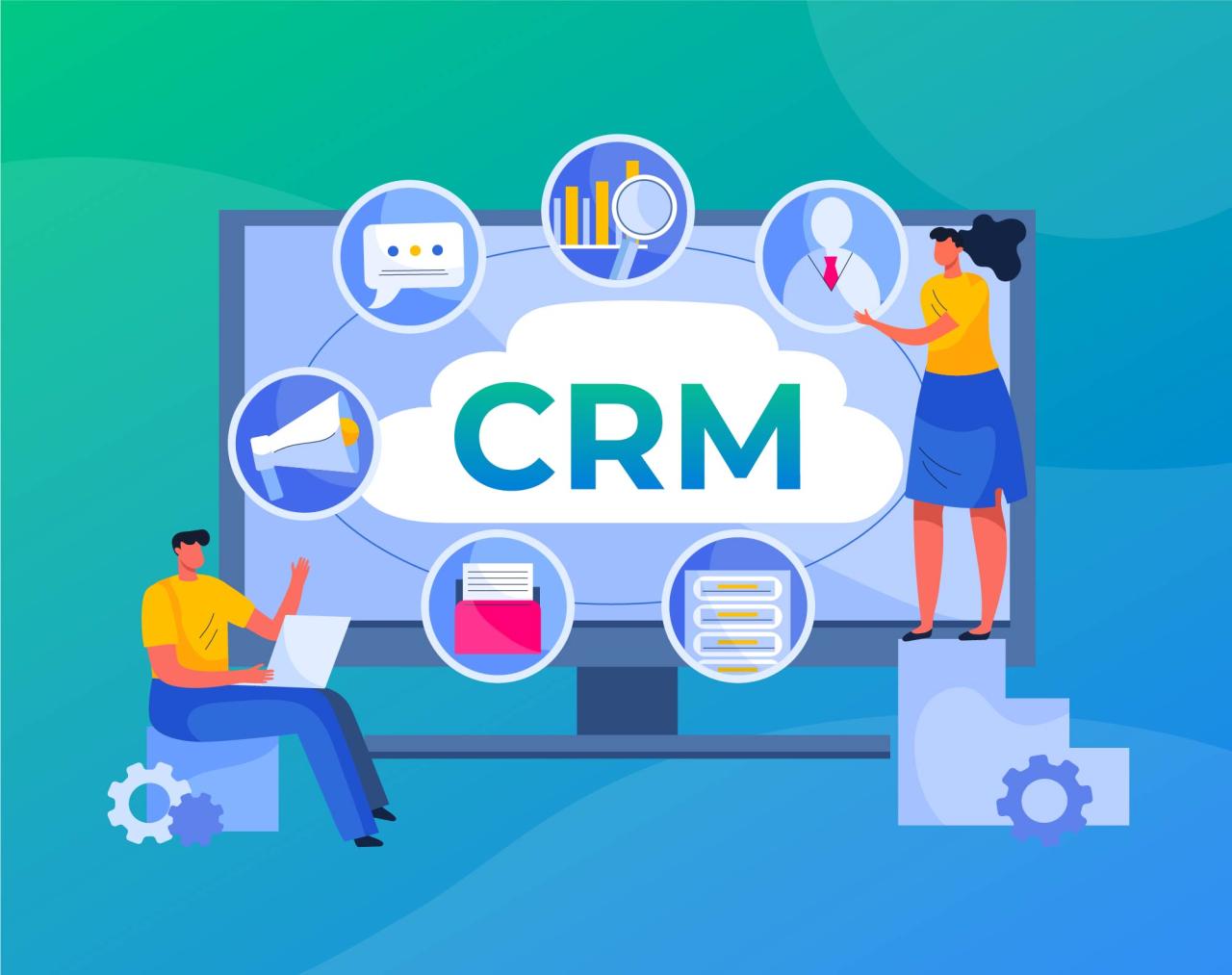
In today’s fast-paced business environment, leveraging effective customer relationship management (CRM) tools is essential for fostering strong relationships and driving growth. This software not only streamlines interactions with clients but also provides valuable insights into customer behavior, enabling businesses to make informed decisions. With a variety of options available, understanding the different types of CRM software and the services that accompany them can profoundly impact a company’s success.
In recent years, the conversation surrounding mental health has significantly evolved, transforming from a taboo subject to a focal point of public discourse. This shift has been fueled by various factors, including increased media coverage, advocacy by mental health organizations, and the rising prevalence of mental health issues in various populations. As society progresses, the importance of mental health awareness continues to rise, making it crucial for individuals, communities, and organizations to understand and address this pressing issue.
Understanding Mental Health
Mental health encompasses emotional, psychological, and social well-being. It affects how we think, feel, and act in our daily lives. Furthermore, it plays a vital role in determining how we handle stress, relate to others, and make choices. From anxiety and depression to more severe conditions such as bipolar disorder and schizophrenia, mental health disorders can manifest in numerous ways, impacting individuals across all demographics.
The Stigma Surrounding Mental Health
Despite the growing awareness, stigma remains one of the most significant barriers to mental health care. Many individuals fear being judged or marginalized if they disclose their struggles. This stigma can lead to feelings of isolation and shame, preventing people from seeking help. Understanding and addressing this stigma is essential for fostering a supportive environment in which individuals feel safe discussing their mental health issues.
The Role of Education
Education plays a critical role in raising awareness about mental health. Schools, workplaces, and communities must implement programs to inform individuals about mental health issues, the signs of mental illness, and the importance of seeking help. By providing resources and promoting open discussions, we can create a culture that prioritizes mental well-being and encourages people to seek support without fear of judgment.
The Impact of Social Media
In today’s digital age, social media has emerged as a double-edged sword in the realm of mental health. On one hand, platforms like Twitter, Instagram, and Facebook can provide support and community for individuals dealing with mental health issues. Online forums and support groups allow people to share their experiences, fostering a sense of connection and understanding. On the other hand, social media can also perpetuate unrealistic standards and contribute to feelings of inadequacy and anxiety.
It is essential for users to navigate these platforms mindfully and prioritize their mental health.
Strategies for Promoting Mental Health Awareness
To effectively promote mental health awareness, we can employ several strategies:
- Community Events: Hosting workshops, seminars, and awareness campaigns can engage community members and foster discussions about mental health.
- Training Programs: Providing training for educators, employers, and healthcare professionals on recognizing signs of mental health issues can improve early detection and intervention.
- Advocacy: Supporting policies that promote mental health services and access to care can help dismantle systemic barriers and ensure that individuals receive the support they need.
- Personal Narratives: Sharing personal stories of recovery and resilience can inspire others to seek help and break down stigma.
The Role of Organizations and Governments
Organizations and governments play a crucial role in advancing mental health awareness. By prioritizing mental health in their policies, workplaces can create a supportive environment that encourages open discussions and provides resources for employees. Moreover, governments can allocate funding for mental health programs, ensuring that services are accessible to all individuals, regardless of socioeconomic status.
The Benefits of Mental Health Awareness
Increasing mental health awareness offers numerous benefits for individuals and society as a whole. Firstly, it can lead to earlier diagnosis and treatment of mental health issues, improving overall well-being and quality of life. Furthermore, awareness campaigns can foster understanding and empathy among individuals, reducing stigma and creating a supportive environment. Additionally, organizations that prioritize mental health often see increased productivity, decreased absenteeism, and improved morale among employees.
Conclusion
The importance of mental health awareness cannot be overstated. As society continues to evolve, it is critical to prioritize mental well-being and create an environment where individuals feel safe to discuss their struggles. By promoting education, reducing stigma, and fostering open discussions, we can work together to ensure that mental health is recognized as a vital component of overall health.
It is our collective responsibility to advocate for mental health awareness and support those in need, paving the way for a more understanding and compassionate society.
Top FAQs
What is CRM software?
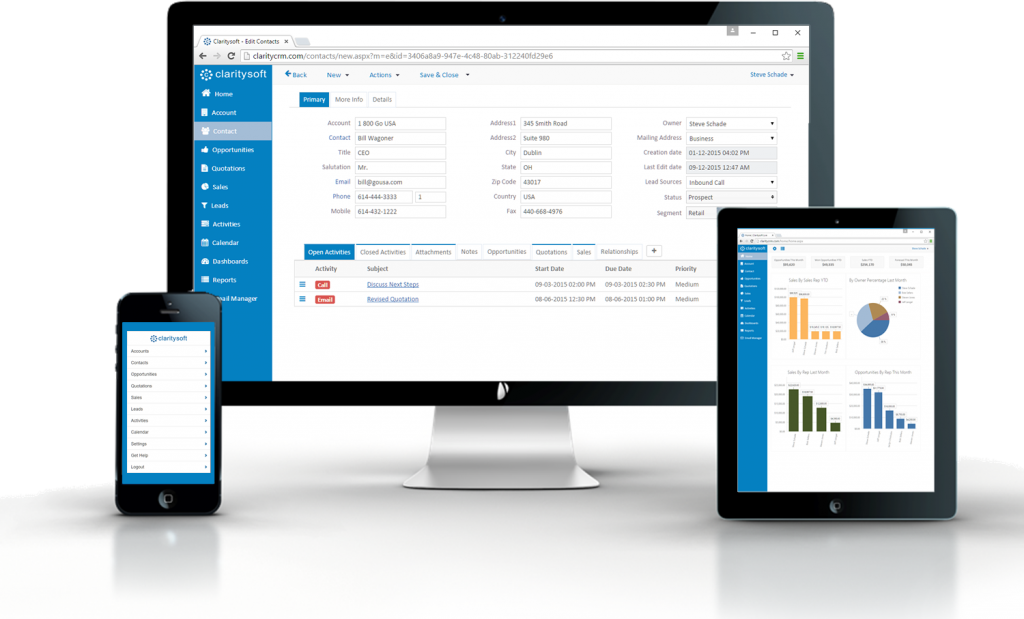
CRM software is a technology used to manage a company’s interactions with current and potential customers, helping to streamline processes and improve relationships.
How does CRM software benefit small businesses?
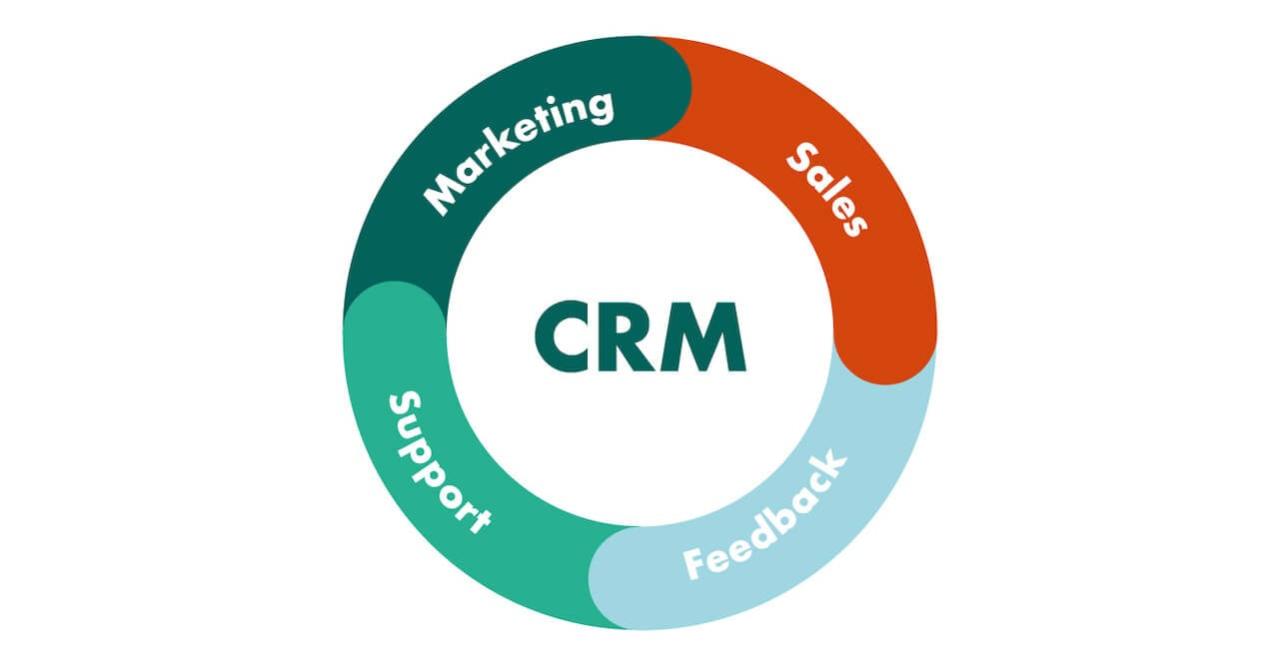
CRM software helps small businesses by organizing customer data, automating tasks, improving customer service, and providing insights that lead to better decision-making.
Is CRM software suitable for all industries?
Yes, CRM software can be tailored to suit various industries, including retail, healthcare, finance, and more, adapting to specific business needs.
What are some common features of CRM software?
Common features include contact management, sales tracking, email marketing integration, reporting tools, and customer support functionalities.
Can CRM software integrate with other business tools?
Most CRM software solutions offer integration capabilities with other business tools, such as email platforms, accounting software, and marketing automation systems.