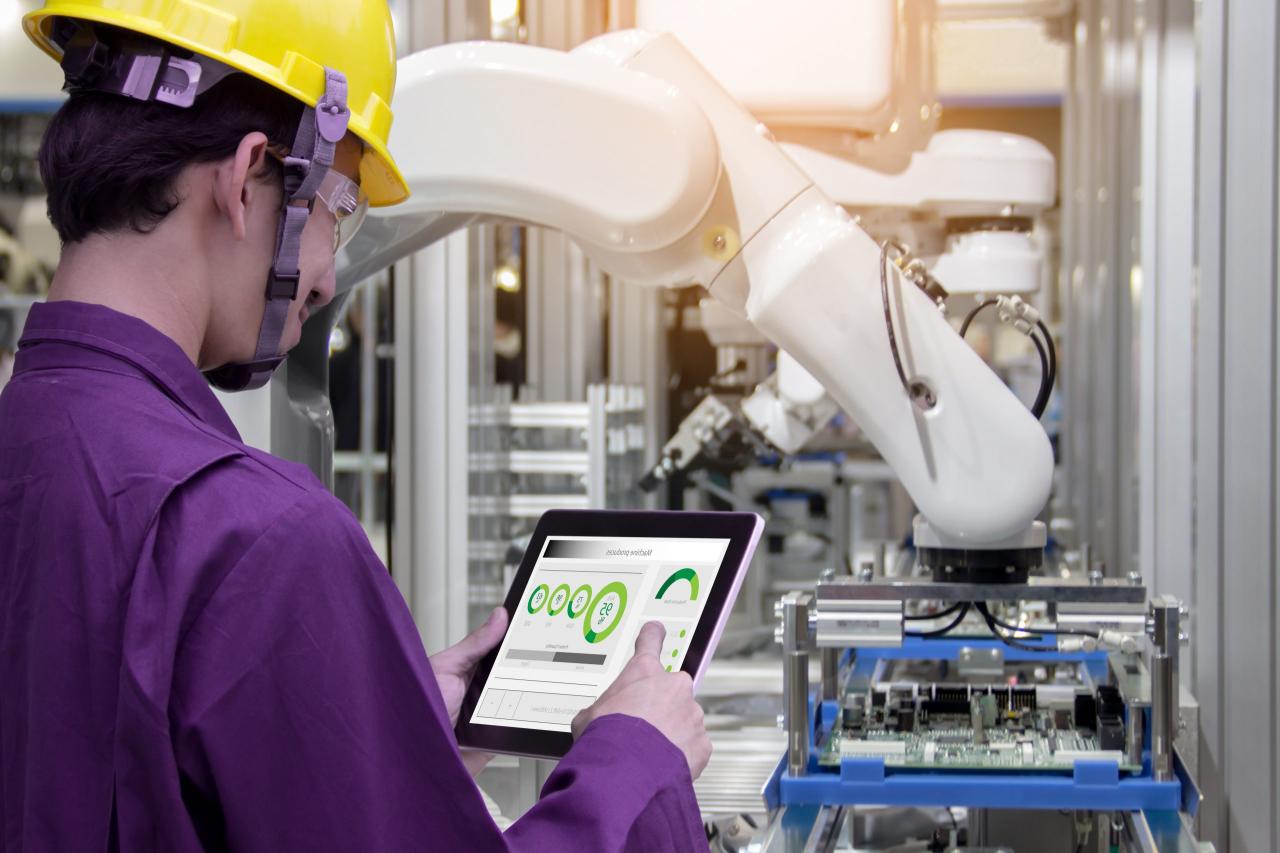
Manufacturing business intelligence is revolutionizing how companies operate, enabling them to make informed decisions based on data-driven insights. As industries embrace advanced analytics, the landscape of manufacturing continues to evolve, presenting opportunities for improved efficiency and productivity.
From understanding market trends to optimizing production processes, manufacturing business intelligence encompasses a variety of technologies and methodologies designed to enhance operational performance. This transformative approach not only streamlines processes but also empowers businesses to stay competitive in a rapidly changing marketplace.
In recent years, the concept of remote work has evolved from a niche option to a mainstream practice, fundamentally transforming how we view employment and workplace culture. As businesses across the globe adapt to changing technologies and shifting workforce expectations, the benefits and challenges of remote work have come into sharper focus. This article aims to explore the implications of this shift, highlighting its advantages, potential drawbacks, and the future of work in a post-pandemic world.
The Evolution of Remote Work
Historically, remote work was often associated with freelance or contract positions, characterized by flexible hours and varied locations. However, the COVID-19 pandemic accelerated this trend, forcing companies to adopt remote work arrangements almost overnight. As employees transitioned to their home offices, many discovered newfound productivity, while employers realized that a distributed workforce could not only function but thrive.
Technology as a Catalyst
The rise of remote work has been significantly enabled by advancements in technology. High-speed internet, cloud computing, and collaboration tools like Slack, Zoom, and Trello have made it easier than ever for teams to communicate, share resources, and work together, regardless of their physical locations. This technological shift has allowed for seamless integration of work-life balance, enabling employees to manage their professional responsibilities alongside personal commitments.
Advantages of Remote Work
There are numerous benefits to remote work, both for employees and employers. Below are some of the most compelling reasons why companies are embracing this model:
1. Flexibility and Work-Life Balance
One of the most praised aspects of remote work is the flexibility it offers. Employees can often set their schedules, allowing them to balance work commitments with personal lives more effectively. This flexibility can lead to increased job satisfaction, as employees feel empowered to manage their time and priorities.
2. Cost Savings
Both employees and employers can experience significant cost savings through remote work arrangements. Employees save on commuting costs, work attire, and daily meals, while companies can reduce overhead costs associated with maintaining physical office spaces. This financial relief can be particularly beneficial for startups and smaller businesses operating on tight budgets.
3. Access to a Global Talent Pool
Remote work allows companies to tap into a broader talent pool, unhindered by geographical constraints. Businesses can hire the best candidates from around the world, ensuring they have the skills and expertise necessary to succeed. This can lead to more diverse and innovative teams, enriching the company’s culture and performance.
4. Increased Productivity
Many studies suggest that remote workers are often more productive than their in-office counterparts. Without the usual office distractions, employees can focus better on their tasks. Furthermore, remote work can lead to reduced stress levels, resulting in improved mental health and greater overall job performance.
Challenges of Remote Work
1. Communication Barriers
One of the main challenges of remote work is the potential for communication breakdowns. Without face-to-face interactions, misunderstandings can occur more easily, and employees may feel isolated from their teams. Regular check-ins, virtual meetings, and open channels of communication are essential to maintain strong collaboration and team cohesion.
2. Work-Life Boundaries
While flexibility is a significant advantage, it can also blur the lines between work and personal life. Employees may find it challenging to disconnect from work, leading to burnout and decreased job satisfaction. Companies need to cultivate a culture that encourages employees to establish boundaries and prioritize their well-being.
3. Performance Management
Measuring employee performance in a remote setting can be complex. Traditional metrics may not apply, and managers need to adapt their approaches to evaluate productivity fairly. Implementing clear expectations, regular feedback, and goal-setting practices can help ensure that employees remain accountable and engaged.
The Future of Remote Work
As we look to the future, it is clear that remote work is here to stay. Many organizations are adopting hybrid models that combine in-office and remote work, recognizing the need for flexibility in a rapidly changing world. This hybrid approach allows companies to offer the best of both worlds, fostering collaboration while empowering employees to choose their work environments.
1. Continued Investment in Technology
To facilitate successful remote work, businesses will continue to invest in technology. Tools for project management, communication, and cybersecurity will be essential to maintain productivity and protect sensitive information. Companies that prioritize technology will be better positioned to adapt to the evolving landscape of work.
2. Emphasis on Employee Well-Being
As remote work becomes more prevalent, organizations must place a greater emphasis on employee well-being. This includes providing mental health resources, encouraging breaks, and fostering a supportive culture. By prioritizing employee health, companies can ensure higher engagement and retention rates.
3. Redefining Company Culture
With a dispersed workforce, companies will need to rethink their approach to company culture. Creating a strong sense of belonging and community in a remote setting requires deliberate efforts, such as virtual team-building activities and regular recognition of employee contributions. Cultivating an inclusive environment will help maintain morale and foster loyalty.
Conclusion
The shift towards remote work represents a significant change in how we approach employment and productivity. While it offers numerous advantages, it also presents challenges that organizations must navigate. By embracing technology, prioritizing employee well-being, and fostering a strong company culture, businesses can thrive in this new era of flexibility. As we continue to adapt to this evolving landscape, it is essential to remain open to innovation and collaboration, ensuring that both employees and employers benefit from the opportunities that remote work presents.
Helpful Answers
What is manufacturing business intelligence?
It refers to the use of data analysis tools and techniques to improve decision-making and efficiency in manufacturing processes.

How can manufacturing business intelligence improve efficiency?
By providing insights into production data, it helps identify bottlenecks, optimize resource allocation, and enhance overall productivity.
What tools are commonly used in manufacturing business intelligence?
Tools like data visualization software, dashboards, and predictive analytics platforms are commonly utilized.
Is manufacturing business intelligence suitable for small businesses?
Yes, even small businesses can benefit from manufacturing business intelligence to enhance operations and competitiveness.
What role does data play in manufacturing business intelligence?
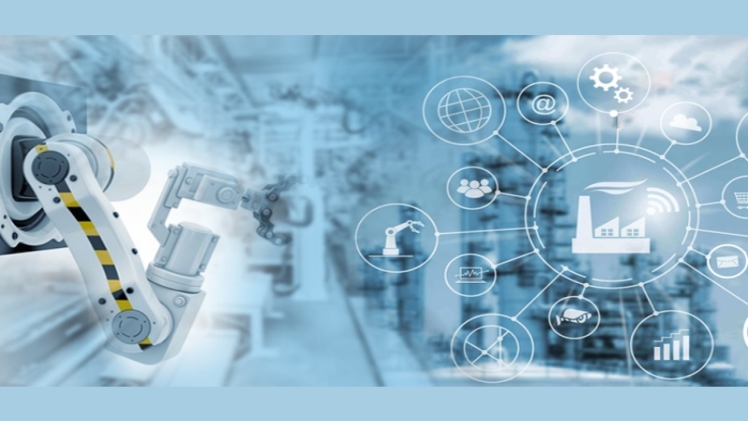
Data is the foundation of manufacturing business intelligence, enabling analysis and informed decision-making throughout the manufacturing process.