Kicking off with crm automation software, this innovative tool is reshaping how businesses engage with their customers. In today’s fast-paced world, automating customer relationship management not only enhances efficiency but also ensures that no interaction slips through the cracks. With features ranging from automated follow-ups to data analytics, CRM automation software empowers businesses to maintain strong relationships while focusing on growth.
This software integrates seamlessly with various platforms, providing a comprehensive solution that caters to a diverse range of business needs. By leveraging automation, companies can save time, reduce human error, and ultimately provide better customer experiences. Additionally, the ability to track customer interactions in real-time offers invaluable insights into consumer behavior, enabling businesses to make informed decisions.
In the last few decades, the way we communicate has undergone a significant transformation. Gone are the days when sending a letter meant waiting days, or even weeks, for a reply. The advent of digital communication has revolutionized our interactions, making them faster, more efficient, and, in many ways, more complex. This article delves into the evolution of digital communication, exploring its different forms, the impact on relationships, and the future of how we connect.
The Early Days: Emails and Instant Messaging
The journey of digital communication began with the emergence of email in the early 1970s. What initially appeared as a simple method for sending text-based messages across networks quickly gained popularity. By the 1990s, email became a staple of both personal and professional communication. It allowed users to send messages almost instantaneously, breaking geographical barriers and time constraints.
As the internet grew, so did the options for instant communication. Instant messaging (IM) platforms like AOL Instant Messenger (AIM), ICQ, and later platforms like MSN Messenger allowed users to have real-time conversations. This shift marked a significant departure from the asynchronous nature of email, providing a sense of immediacy and engagement that was previously lacking.
The Rise of Social Media
With the dawn of the 21st century, social media began to take center stage. Platforms like Facebook, Twitter, and LinkedIn changed the landscape of digital communication by introducing new ways for people to connect, share, and interact. Social media allowed users to broadcast their thoughts, share experiences, and engage with a wider audience than ever before.
These platforms not only fostered personal connections but also transformed how businesses interact with consumers. Companies began leveraging social media for marketing, customer service, and brand engagement, creating a two-way communication channel that was previously unimaginable. This evolution has made communication more dynamic and interactive, allowing for real-time feedback and engagement.
The Impact of Mobile Technology
As smartphones became integral to our daily lives, the way we communicate continued to evolve. With applications like WhatsApp, Telegram, and Facebook Messenger, messaging became even more accessible and convenient. The ability to send messages, photos, and videos instantly from anywhere in the world has changed the dynamics of communication.
Mobile technology has also contributed to the rise of new communication styles, such as emojis, GIFs, and stickers, which add a layer of emotional expression that text alone may lack. This shift highlights how digital communication can be both personal and expressive, transcending language barriers and cultural differences.
Challenges of Digital Communication
While digital communication has made our lives easier, it has also brought about new challenges. One of the most significant issues is the phenomenon of digital miscommunication. The absence of non-verbal cues, such as tone and body language, can lead to misunderstandings and conflicts. What may be intended as a joke can easily be perceived as offensive in a text message.

Additionally, the constant connectivity of digital communication can lead to information overload. With the rise of notifications, emails, and messages, people often find themselves overwhelmed, struggling to maintain a balance between staying connected and preserving their mental health. This has resulted in the concept of “digital detox,” where individuals choose to disconnect from their devices to regain focus and clarity.
The Future of Communication: AI and Beyond
As technology continues to advance, the future of digital communication promises to be even more intriguing. Artificial intelligence (AI) is increasingly playing a role in how we interact. From chatbots providing customer service to AI-driven language translation, the potential for enhancing communication is vast.
Moreover, the rise of virtual and augmented reality (VR/AR) is set to redefine how we connect. Imagine attending a virtual meeting where you feel as though you are truly present, or having a conversation with someone from across the globe in a virtual space. These technologies have the potential to create more immersive and engaging communication experiences.
Conclusion
The evolution of digital communication has transformed how we connect with one another. From emails and instant messaging to social media and mobile apps, each advancement has brought about new opportunities and challenges. As we look to the future, it is essential to embrace these changes while also being mindful of the potential pitfalls. Striking a balance between connectivity and personal well-being will be crucial as we navigate the ever-evolving landscape of digital communication.
FAQ Resource
What is CRM automation software?

CRM automation software is a tool that streamlines and automates customer relationship management tasks, improving efficiency in managing customer interactions.
How does CRM automation software benefit small businesses?
It helps small businesses save time, reduce errors, and enhance customer satisfaction by automating repetitive tasks and providing valuable insights.
Can CRM automation software integrate with existing tools?
Yes, most CRM automation software can integrate with various existing tools and platforms to ensure a seamless workflow.
Is CRM automation software easy to use?
Many CRM automation solutions are designed to be user-friendly, with intuitive interfaces that require minimal training.
What should I look for when choosing CRM automation software?
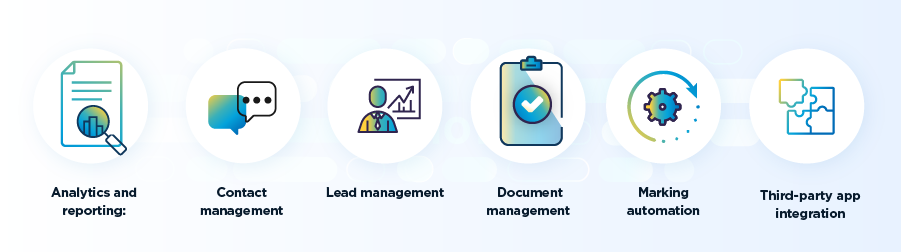
Consider factors like ease of use, integration capabilities, scalability, and customer support when selecting CRM automation software.