As crm software for sales and marketing takes center stage, this opening passage beckons readers with good knowledge, ensuring a reading experience that is both absorbing and distinctly original.
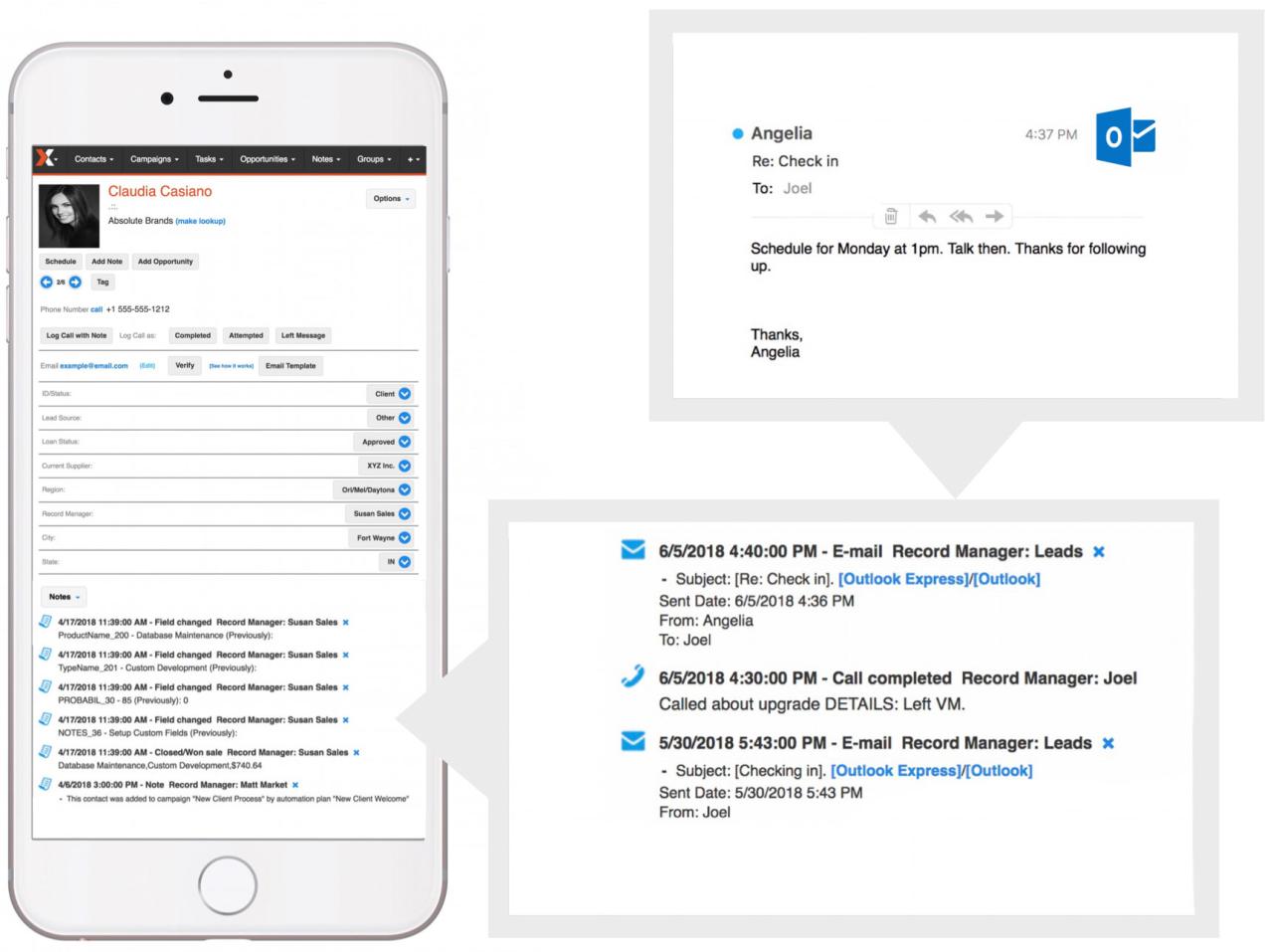
In today’s fast-paced business landscape, effective customer relationship management is crucial for driving sales and enhancing marketing strategies. CRM software serves as a vital tool that not only streamlines processes but also enables companies to foster lasting relationships with their clients. By integrating sales and marketing efforts, organizations can leverage data-driven insights to make informed decisions that lead to increased revenue and improved customer satisfaction.
In the grand tapestry of human history, technology stands out as one of the most transformative forces. From the humble beginnings of stone tools to the sophisticated artificial intelligence we see today, technology has continually shaped our society, culture, and daily lives. This article will explore the evolution of technology, highlighting key milestones and their impacts on civilization.
The Dawn of Human Innovation
Human innovation began approximately 2.5 million years ago with the creation of stone tools. Early humans, who relied primarily on their physical abilities for survival, soon realized that they could enhance their efficacy through simple tools. These rudimentary implements allowed them to hunt, gather, and protect themselves more effectively. As time progressed, these tools became more refined, leading to the development of specialized instruments.
The Agricultural Revolution
The next significant leap in technology occurred around 10,000 BC with the Agricultural Revolution. The transition from nomadic hunter-gatherer societies to settled agricultural communities marked a pivotal moment in human history. This shift not only increased food production but also encouraged the establishment of permanent settlements. The invention of the plow and irrigation systems dramatically increased agricultural efficiency, supporting larger populations and giving rise to complex societies and civilizations.
The Age of Metal
As civilizations flourished, advancements in metallurgy played a crucial role in technological progress. The Bronze Age, beginning around 3300 BC, introduced the use of bronze for tools and weapons, providing humans with stronger and more durable materials. This age was followed by the Iron Age, which offered even greater advancements in agriculture, warfare, and craftsmanship. The ability to forge metal tools and weapons changed the dynamics of power and trade across regions.
The Wheel and Transportation
The invention of the wheel around 3500 BC is often regarded as one of humanity’s most significant technological achievements. This innovation not only revolutionized transportation but also facilitated trade and commerce. As societies began to expand, the wheel enabled the movement of goods and people over greater distances. This newfound capability laid the groundwork for the establishment of trade routes that would connect different cultures and economies.
The Printing Press: A Catalyst for Change
Fast forward to the 15th century, and we encounter the invention of the printing press by Johannes Gutenberg. This revolutionary technology transformed the dissemination of information. For the first time, books could be mass-produced, making literature accessible to a broader audience. The printing press played a crucial role in the spread of ideas during the Renaissance and the Reformation, significantly shaping education and literacy rates across Europe.
The Industrial Revolution
The late 18th to early 19th centuries marked the dawn of the Industrial Revolution, a period characterized by rapid industrial growth and technological innovation. The introduction of steam power and mechanization led to the rise of factories and mass production. This shift not only changed the landscape of labor but also transformed urban life, as people flocked to cities in search of work.
The Industrial Revolution laid the foundation for modern economies and altered societal structures profoundly.
The Age of Electricity and Communication
With the 19th century came the widespread use of electricity, which further revolutionized technology. The invention of the telegraph and telephone dramatically altered communication, allowing people to connect over vast distances almost instantaneously. This era of electric power also saw the birth of numerous household conveniences, such as electric lighting and appliances, which improved the quality of life for many.
The Digital Revolution
The latter half of the 20th century ushered in the Digital Revolution, characterized by the rise of computers and the Internet. The invention of the microprocessor in the 1970s marked the beginning of personal computing. As computers became more accessible, they transformed industries, workplaces, and everyday life. The advent of the Internet in the 1990s connected people like never before, leading to an information boom and the rise of a global digital economy.
The Current Era: Artificial Intelligence and Beyond
Today, we find ourselves in an era defined by rapid advancements in artificial intelligence (AI), machine learning, and biotechnology. AI is increasingly becoming an integral part of various industries, from healthcare to finance, enabling more efficient processes and decision-making. Companies leverage AI to analyze vast amounts of data, uncovering insights that were previously unattainable. The implications of these technologies are profound, raising questions about ethics, privacy, and the future of work.
Looking Ahead: The Future of Technology
As we gaze into the future, it is clear that technology will continue to evolve at an unprecedented pace. Emerging technologies such as quantum computing, blockchain, and renewable energy solutions are poised to further disrupt traditional paradigms. However, with these advancements come challenges that society must navigate, including ethical considerations and the impact on employment.
Conclusion
In conclusion, the journey of technology from simple tools to sophisticated AI is a testament to human ingenuity and adaptability. Each technological advancement has not only changed how we live and work, but it has also shaped the very fabric of our society. As we move forward, it is essential to embrace innovation while being mindful of its impacts, ensuring that technology serves humanity positively and equitably.
Key Questions Answered
What is CRM software?
CRM software is a tool that helps businesses manage their interactions with current and potential customers, streamlining processes and improving relationships.
How does CRM software benefit marketing teams?
It enables marketing teams to analyze customer data, segment audiences, and personalize campaigns, leading to more effective marketing strategies.

Can CRM software integrate with other tools?
Yes, most CRM software can integrate with various applications such as email, social media, and analytics tools to enhance functionality and data sharing.
Is CRM software suitable for small businesses?
Absolutely! Many CRM solutions are designed specifically for small businesses, offering scalable features that grow with the company.

What features should I look for in CRM software?
Key features include contact management, sales tracking, analytics, marketing automation, and customer support functionalities.