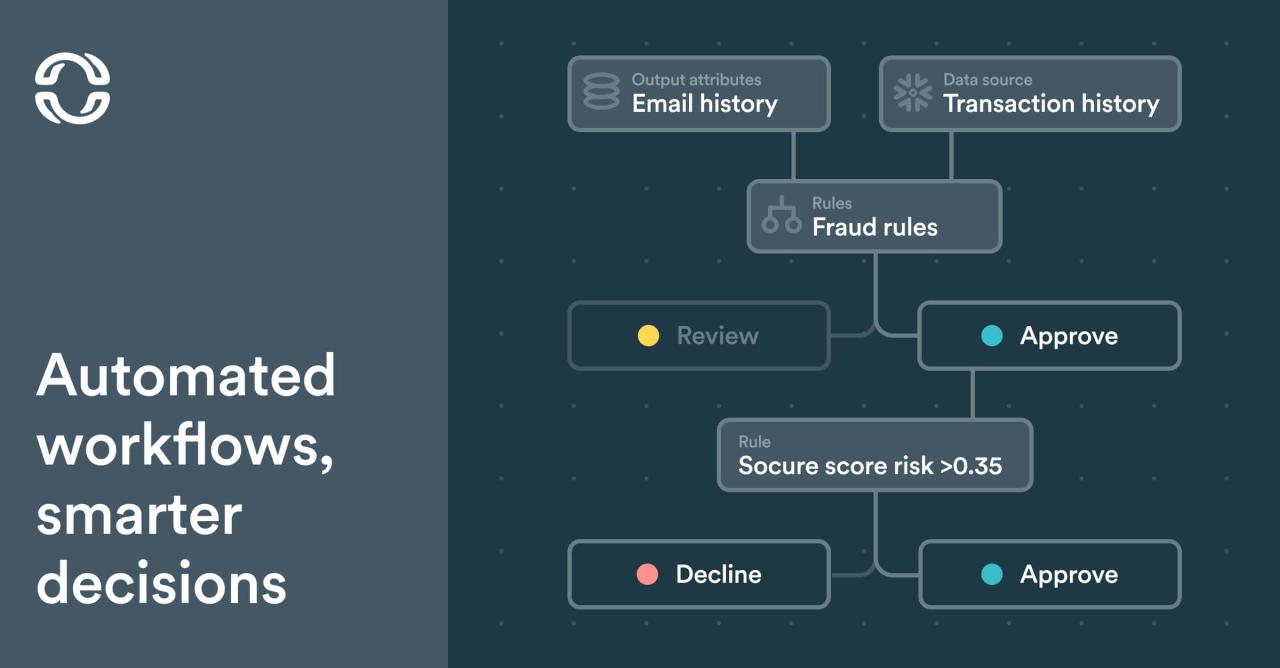
Credit decision engines are revolutionizing the way lenders evaluate the creditworthiness of potential borrowers. By utilizing advanced algorithms and data analytics, these systems streamline the decision-making process, providing faster and more accurate assessments. This innovation not only benefits lenders by reducing operational costs but also enhances the borrowing experience for consumers.
In today’s digital landscape, the demand for immediate financial decisions is higher than ever. As traditional methods fall short, credit decision engines emerge as a crucial tool in the lending industry, ensuring that both lenders and borrowers can navigate the complexities of credit evaluation with ease and efficiency.
In today’s fast-paced world, the way we consume information has dramatically evolved. Gone are the days when people relied solely on newspapers and television for news and updates. With the rapid advancement of technology, particularly the rise of the internet and mobile devices, we now live in an age where information is at our fingertips. This transformation has not only changed how we access information but also how we engage with it.
One of the most significant changes brought about by this digital revolution is the emergence of social media platforms. These platforms have become central to communication, allowing individuals to share their thoughts, experiences, and news updates instantaneously. From Facebook to Twitter, Instagram to TikTok, social media has redefined the way we interact with the world and each other. The impact of social media on society is multifaceted.
On one hand, it has fostered a sense of community and connectedness among people across the globe. Families separated by distance can now communicate effortlessly, friends can share moments in real-time, and individuals can find and connect with others who share similar interests and passions. This interconnectedness has led to the formation of online communities that transcend geographical boundaries, enabling people to engage in discussions and share ideas like never before.However, the rise of social media has also brought with it certain challenges.
One of the most pressing issues is the spread of misinformation. With anyone able to publish content online, it has become increasingly difficult to discern what is true and what is not. This has led to the proliferation of fake news, conspiracy theories, and misleading information, which can have serious implications for society. As a result, individuals must develop critical thinking skills to navigate the vast sea of information available to them.Moreover, the influence of social media on mental health cannot be overlooked.
While it can provide a sense of belonging and community, it can also lead to feelings of inadequacy, anxiety, and depression. The curated nature of social media often presents an unrealistic portrayal of life, leading individuals to compare themselves unfavorably to others. This phenomenon, known as social comparison, can significantly impact one’s self-esteem and overall well-being.In light of these complexities, it is essential for users to approach social media mindfully.
Setting boundaries around screen time, curating one’s feed to include positive and uplifting content, and taking regular breaks from social media can help mitigate some of the negative effects associated with its use. Additionally, fostering awareness about the reliability of sources and the potential for manipulation online can empower individuals to engage more critically with the information they encounter.Another noteworthy aspect of the digital age is the rise of e-commerce.
Online shopping has revolutionized the retail landscape, providing consumers with unprecedented convenience and access to products from around the world. The ability to compare prices, read reviews, and shop from the comfort of one’s home has transformed consumer behavior. Businesses have had to adapt to this shift, with many investing heavily in their online presence to remain competitive.E-commerce has also opened doors for small businesses and entrepreneurs.
With platforms like Etsy, Shopify, and Amazon, individuals can now launch and operate their businesses without the overhead costs traditionally associated with brick-and-mortar stores. This democratization of entrepreneurship has led to an explosion of creativity and innovation, as people are empowered to share their products and services with a global audience.However, e-commerce is not without its challenges. Issues such as cybersecurity, data privacy, and shipping logistics have become increasingly important as more transactions occur online.
Consumers must remain vigilant in protecting their personal information, while businesses must implement robust security measures to safeguard customer data. Additionally, the environmental impact of increased shipping and packaging in e-commerce raises concerns that must be addressed as we move forward.In the realm of education, technology has also had a profound impact. The rise of online learning platforms has made education more accessible than ever before.
Students can now take courses from prestigious universities, learn new skills through online tutorials, and engage in collaborative projects with peers from around the world. This shift towards digital learning has democratized education, providing opportunities for individuals who may not have access to traditional educational institutions.However, the transition to online learning has not been seamless. Issues such as the digital divide highlight the disparities in access to technology and the internet.
Students from low-income backgrounds may lack the necessary devices or reliable internet connections to participate fully in online learning, exacerbating existing inequalities in education. It is crucial for stakeholders to work together to ensure that technology serves as a bridge rather than a barrier in education.As we reflect on the implications of living in a digital world, it is clear that technology has the power to shape our lives in profound ways.
From the way we communicate and consume information to how we shop and learn, the digital landscape has opened up new possibilities while presenting unique challenges. Embracing this change requires a balance of enthusiasm for innovation and mindfulness about its effects on individuals and society as a whole.Ultimately, the key to thriving in this digital age lies in our ability to adapt and learn.
By developing critical thinking skills, fostering healthy online habits, and advocating for equitable access to technology, we can navigate the complexities of the digital world while harnessing its potential for positive change. As we move forward, let us strive to create a digital landscape that promotes well-being, inclusivity, and informed engagement.
FAQ Corner
What are credit decision engines?
Credit decision engines are automated systems that analyze borrower data to determine creditworthiness quickly and accurately.
How do credit decision engines work?

They use algorithms to evaluate various data points—like credit history and income—to make lending decisions.
What benefits do credit decision engines offer?
They provide faster approvals, reduce human error, and enhance the overall efficiency of the lending process.

Can credit decision engines replace human judgment?
While they improve accuracy, human judgment is still essential for nuanced decision-making and understanding unique borrower situations.
Are credit decision engines reliable?
Yes, when properly designed and maintained, they are highly reliable and can reduce risks associated with lending.