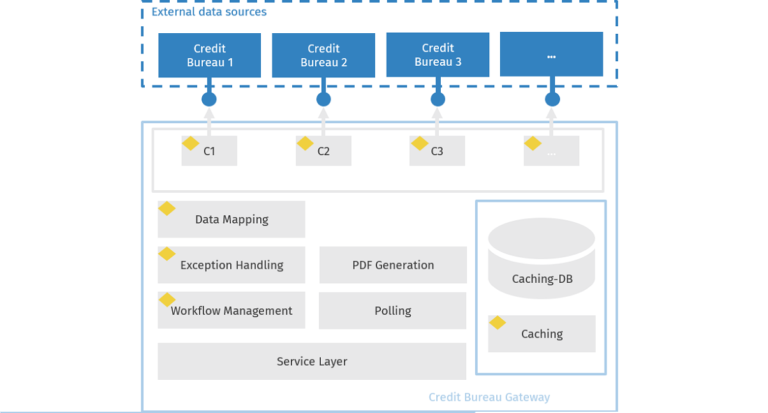
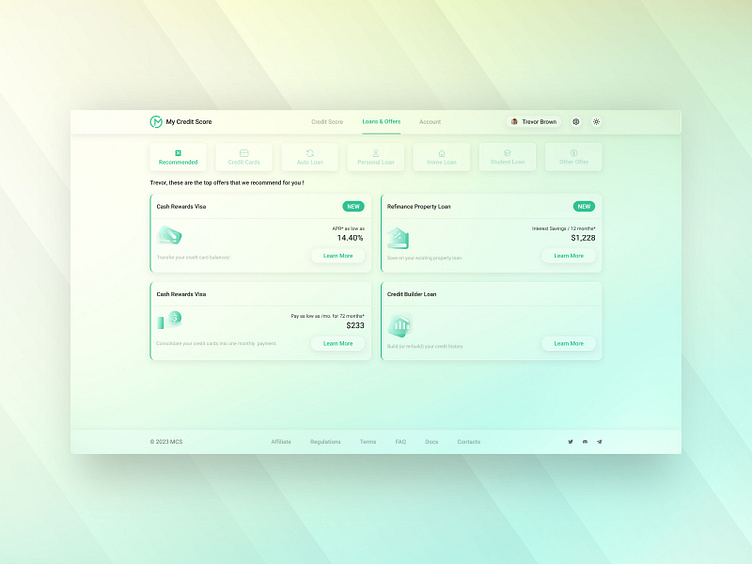
Exploring credit. decision. software. invites us into the world of financial analytics and the innovative tools that shape lending decisions. In today’s fast-paced financial landscape, understanding how software enhances credit decisions is crucial for both lenders and borrowers.
This technology not only streamlines processes but also provides deeper insights into creditworthiness through data analysis.
From its historical roots to the latest advancements, credit decision software has evolved to meet the demands of a global economy. By leveraging data and technology, these tools minimize risk and enable more informed lending practices, ensuring that financial institutions can cater to the needs of diverse clientele.
Effective communication is a vital skill in both personal and professional realms. It involves not just the exchange of information, but also understanding the emotions and intentions behind the information. In today’s fast-paced world, being able to convey your thoughts clearly and concisely is more important than ever. This article will delve into the various components of effective communication, exploring techniques, barriers, and strategies to enhance your skills.
Understanding Communication
At its core, communication is the process of sending and receiving messages. This can be verbal, non-verbal, written, or visual. Each mode of communication has its own set of rules and nuances. Understanding these can significantly enhance your ability to connect with others.

Types of Communication
- Verbal Communication: This includes spoken words and vocal tone. It’s essential to pay attention to how you say something as much as what you say.
- Non-Verbal Communication: Body language, facial expressions, and gestures all convey meaning without words. Being aware of your own non-verbal cues and interpreting those of others can improve interactions.
- Written Communication: This encompasses emails, texts, reports, and any other written form. Clarity and brevity are crucial in written communication to avoid misunderstandings.
- Visual Communication: Charts, graphs, and images can enhance understanding and retention of information. They often serve to complement verbal or written messages.
Key Components of Effective Communication
To communicate effectively, it’s important to consider several key components:
1. Clarity and Conciseness
A clear message is easier to understand. Use simple language and concise sentences to convey your ideas. Avoid jargon unless it’s necessary and you’re certain your audience understands it. Being concise means getting to the point without unnecessary fluff, which keeps the audience engaged.
2. Active Listening
Communication is a two-way street. Active listening involves giving your full attention to the speaker, understanding their message, and responding thoughtfully. This not only builds rapport but also ensures that you accurately receive the intended message.
3. Empathy
Understanding the emotions of others can significantly enhance communication. Empathy allows you to connect on a deeper level and can help to defuse conflicts. When you demonstrate that you understand and care about the other person’s feelings, it fosters a more open and honest exchange of ideas.
4. Body Language
Your body language can speak volumes, often more than your words. Maintain eye contact, use appropriate gestures, and be aware of your posture. These non-verbal cues can strengthen your message and indicate your level of engagement in the conversation.
Common Barriers to Effective Communication
Despite our best efforts, various barriers can hinder effective communication. Being aware of these can help you navigate and overcome them:
1. Language Differences
In a diverse world, language barriers can create misunderstandings. Ensuring that your language is accessible to your audience is key. Using simpler words or providing translations can help bridge this gap.
2. Cultural Differences
Cultural backgrounds can influence communication styles. What is considered polite or assertive in one culture may be perceived differently in another. Being culturally aware can prevent miscommunication and foster better relationships.
3. Emotional Barriers
Emotions can cloud judgment and affect how messages are received. If someone is upset or anxious, they may misinterpret your words. Being mindful of your emotional state and that of your audience can facilitate clearer communication.
4. Environment
The setting in which communication takes place can also impact its effectiveness. A noisy or distracting environment can lead to misunderstandings. Striving for a conducive atmosphere can enhance focus and comprehension.
Strategies for Improving Communication Skills
Fortunately, communication skills can be developed and refined. Here are some strategies to enhance your abilities:
1. Practice Active Listening
Engage in conversations where you focus entirely on the speaker. Summarize what they’ve said to confirm understanding before responding. This practice will help you become a better listener and communicator.
2. Seek Feedback
Ask for feedback on your communication style from peers or mentors. Constructive criticism can highlight areas for improvement that you may not have noticed.
3. Enroll in Communication Workshops
Participating in workshops or courses can provide valuable techniques and insights. Look for programs that focus on public speaking, negotiation, or interpersonal skills.
4. Read Widely
Reading books, articles, and essays on communication can expose you to different styles and techniques. This knowledge can be applied to your own approach, enriching your communication toolkit.
Conclusion
Effective communication is an essential skill that can greatly impact your personal and professional life. By understanding the different types of communication, recognizing barriers, and applying strategies for improvement, you can enhance your ability to connect with others. Remember, communication is not just about exchanging words; it’s about building relationships and understanding one another. So, invest the time and effort to sharpen your communication skills—it’s a journey worth taking.
FAQ Insights
What is credit decision software?
Credit decision software is a tool that helps financial institutions assess the creditworthiness of borrowers by analyzing various data points and risk factors.
How does credit decision software improve accuracy?
It increases accuracy by utilizing advanced algorithms and data analytics to provide a comprehensive view of a borrower’s financial history and behavior.
Is credit decision software only for banks?
No, it can be used by various lending institutions, including credit unions, online lenders, and mortgage companies.
Can credit decision software help reduce fraud?
Yes, by analyzing patterns and flagging unusual behaviors, credit decision software can assist in detecting and preventing fraudulent activities.
What is the future of credit decision software?
The future includes more integration with AI and machine learning to enhance predictive capabilities and improve lending efficiency.