As best crm software for customer service takes center stage, this opening passage beckons readers into a world crafted with good knowledge, ensuring a reading experience that is both absorbing and distinctly original.
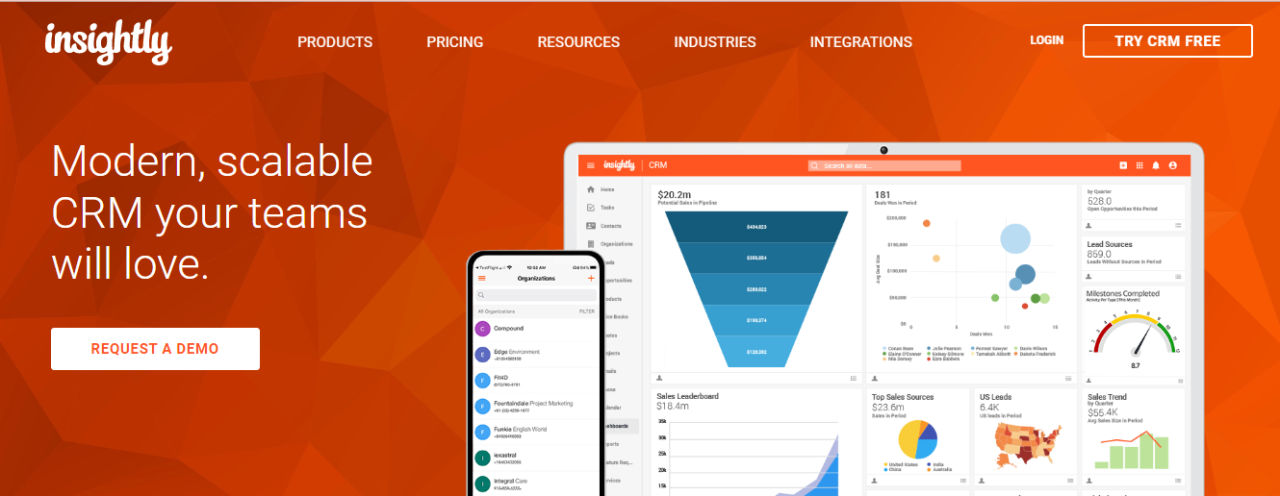
In today’s fast-paced business environment, customer service stands as a cornerstone of success. The right CRM software can streamline communication, enhance customer relationships, and ultimately drive sales. As we delve into the options available, we’ll explore how these tools not only address customer needs but also help businesses grow in a competitive marketplace.
The global landscape of work has undergone a seismic shift over the last few years, particularly accelerated by the COVID-19 pandemic. Remote work, once considered a luxury or a perk, has transitioned into the norm for many professionals across various industries. This shift raises several questions regarding the future of employment, work-life balance, company culture, and productivity. In this article, we will explore the multifaceted impact of remote work on modern employment, examining both its advantages and challenges.
Historical Context of Remote Work
While remote work isn’t a new concept, its widespread adoption is relatively recent. The advent of technology, particularly the internet, has enabled employees to perform their tasks outside traditional office environments. Before the pandemic, only a small percentage of the workforce was remote, primarily in tech-oriented roles. However, in 2020, we witnessed an unprecedented shift as companies were forced to adapt to a remote-first approach.
This rapid change has laid the groundwork for a new era of work that continues to evolve.
Advantages of Remote Work
1. Flexibility and Work-Life Balance
One of the most significant benefits of remote work is the flexibility it offers. Employees can create their schedules, which often leads to a better work-life balance. This flexibility allows individuals to manage personal responsibilities, such as childcare or health-related appointments, without the constraints of a traditional office setting. As a result, many employees report higher job satisfaction and overall happiness.
2. Increased Productivity
Contrary to initial concerns about distractions at home, many studies have shown that remote workers tend to be more productive. The lack of commuting time contributes to this productivity boost, as employees can devote more hours to their work. Additionally, remote work allows individuals to create customized work environments that suit their personal preferences, further enhancing their focus and efficiency.
3. Cost Savings
Remote work can also lead to significant cost savings for both employees and employers. Employees save money on commuting, work attire, and meals. On the other hand, companies can reduce operating expenses associated with maintaining physical office spaces, such as rent, utilities, and supplies. This financial flexibility can be particularly beneficial for startups and small businesses looking to streamline their budgets.
Challenges of Remote Work
1. Communication and Collaboration
Despite its advantages, remote work poses challenges, particularly regarding communication and collaboration. In a virtual environment, miscommunication can occur more frequently, leading to misunderstandings and frustration among team members. The absence of face-to-face interactions may also hinder the development of strong relationships and team dynamics, which are critical for a thriving workplace culture.
2. Isolation and Loneliness
Working remotely can sometimes lead to feelings of isolation and loneliness. The lack of in-person interactions with colleagues may impact an employee’s mental well-being. Without the casual conversations that occur in an office setting, individuals may struggle to connect with their coworkers, leading to a sense of disconnect from the company culture.
3. Difficulty in Separating Work and Home Life
Another significant challenge of remote work is the difficulty in separating professional responsibilities from personal life. When working from home, the lines can become blurred, leading to longer working hours and increased stress. Employees may feel compelled to be “always on,” making it essential for individuals to establish clear boundaries to maintain a healthy work-life balance.
The Future of Remote Work
As we look to the future, it is essential to consider how remote work will continue to shape modern employment. Some companies are embracing a hybrid model, where employees can split their time between remote work and in-office activities. This approach aims to combine the benefits of both environments, allowing for flexibility while maintaining team cohesion.
Conclusion
In conclusion, remote work has dramatically reshaped the employment landscape, offering numerous advantages while also presenting distinct challenges. As companies and employees navigate this new era, it is crucial to foster open communication, support mental well-being, and establish clear boundaries between work and home life. By addressing these challenges, organizations can create a productive and inclusive remote work culture that benefits everyone involved.
The future of work may be fluid, but one thing is clear: remote work is here to stay, and its impact will be felt for years to come.
Answers to Common Questions
What features should I look for in CRM software?
Look for features like contact management, automation, reporting tools, and integration capabilities with other systems.
How can CRM software improve customer relationships?
CRM software centralizes customer data, allowing for personalized communication and quicker resolution of issues.
Is CRM software suitable for small businesses?
Absolutely, many CRM solutions are designed specifically for small businesses to enhance their customer management without overwhelming complexity.
Can I customize CRM software for my business needs?
Most modern CRM platforms offer customization options to tailor the software to your specific workflows and requirements.
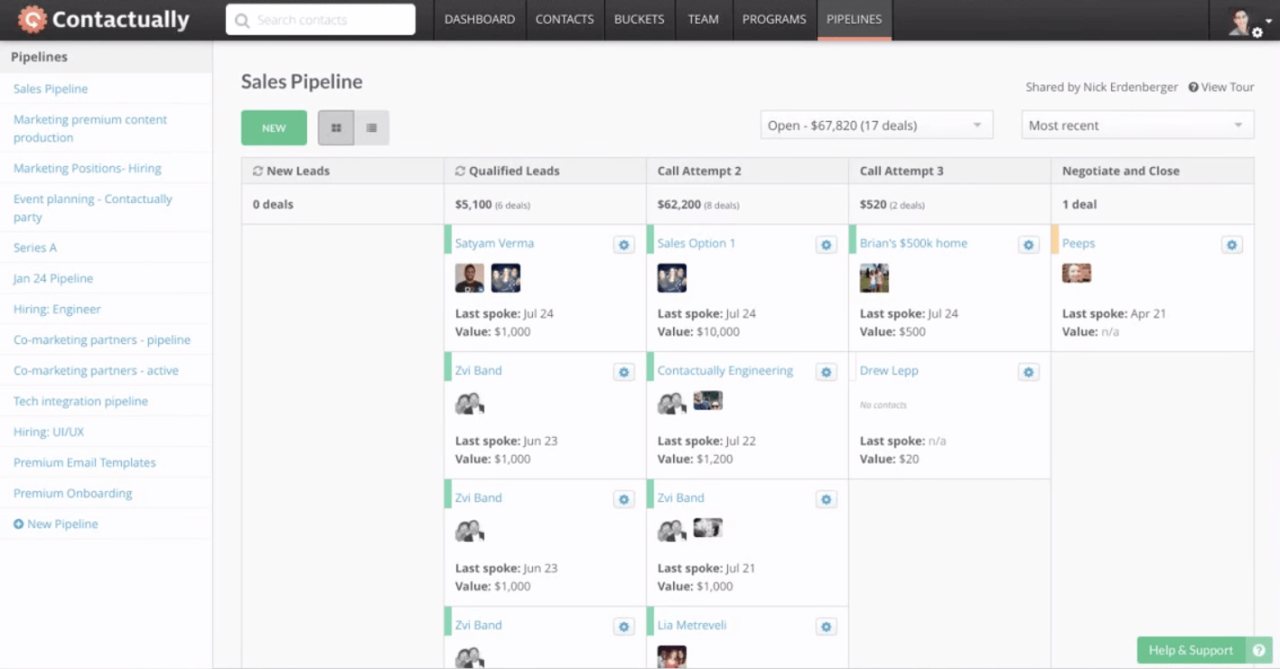
What is the typical cost of CRM software?
Costs can vary widely, ranging from free options to subscription models that can cost hundreds of dollars per month, depending on features and user count.