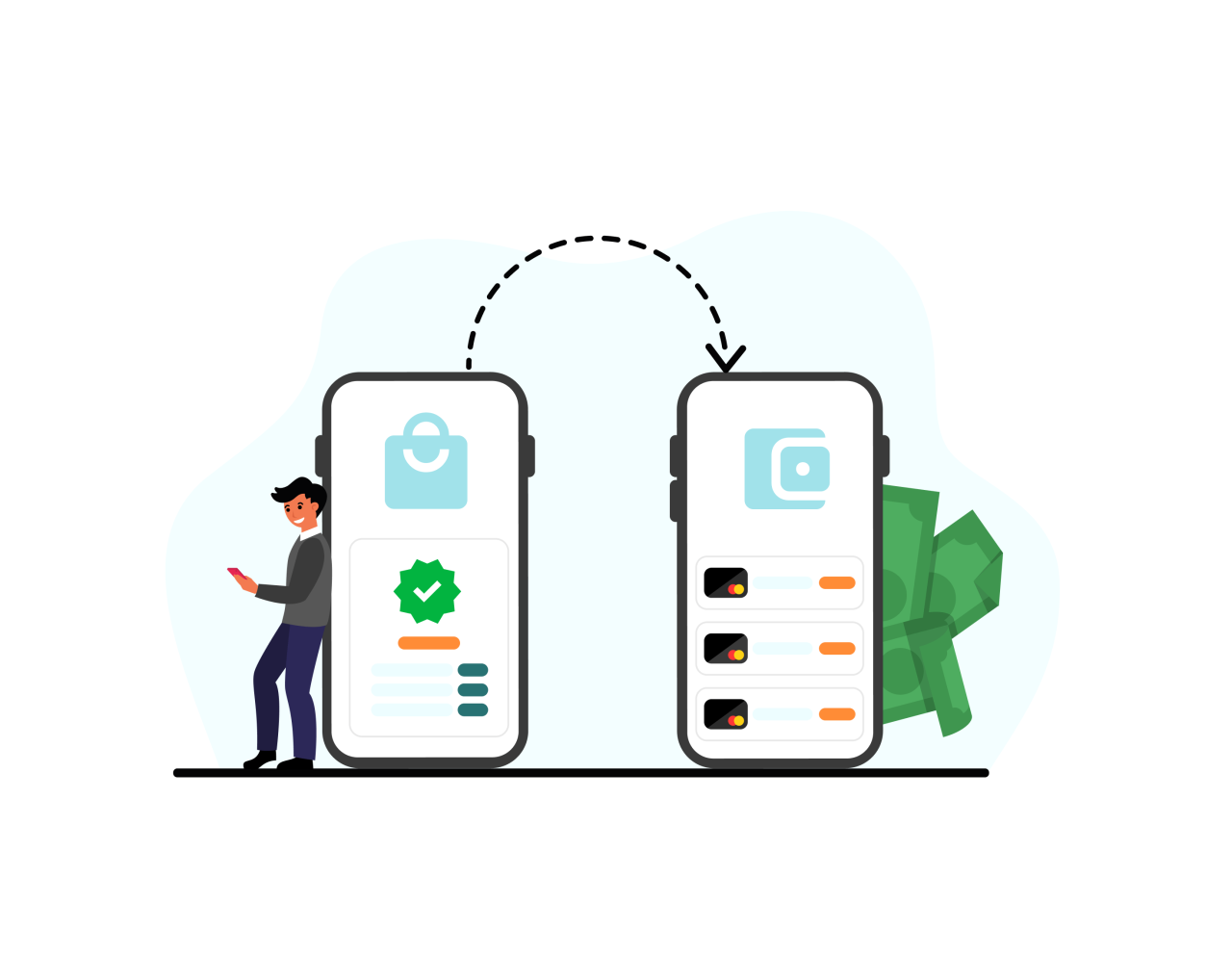
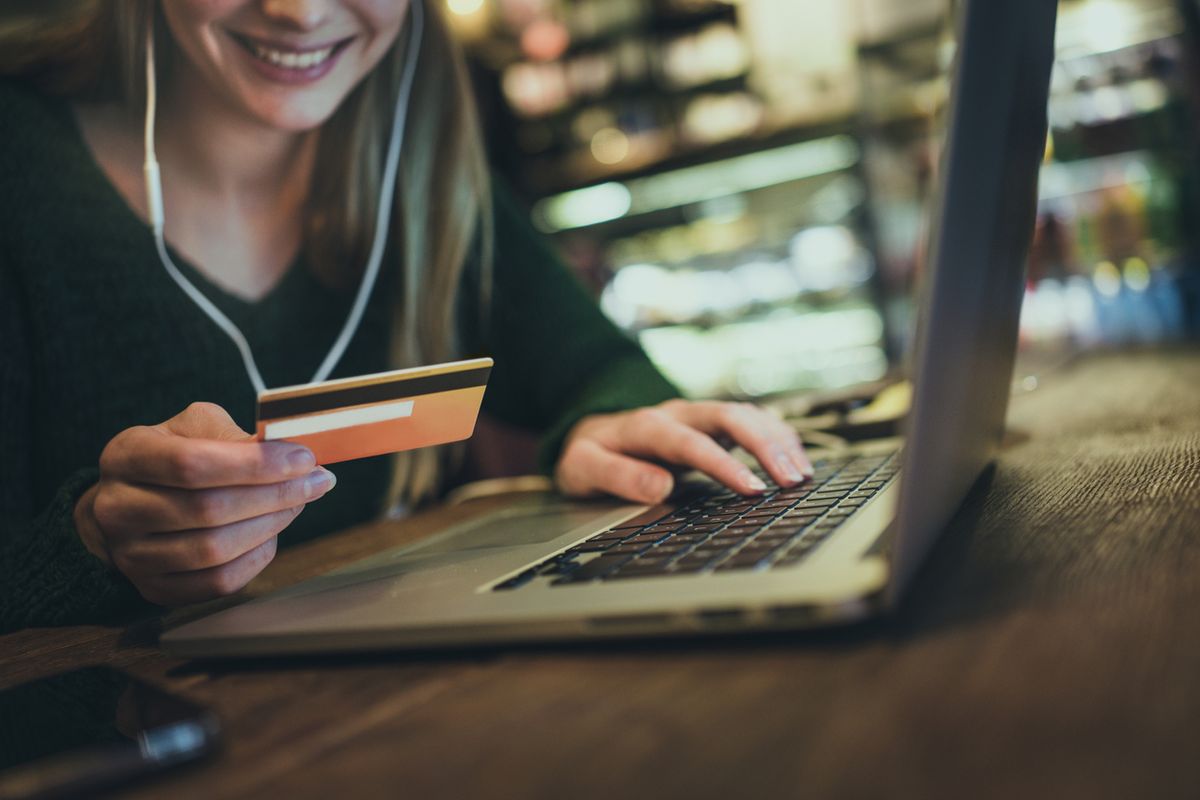
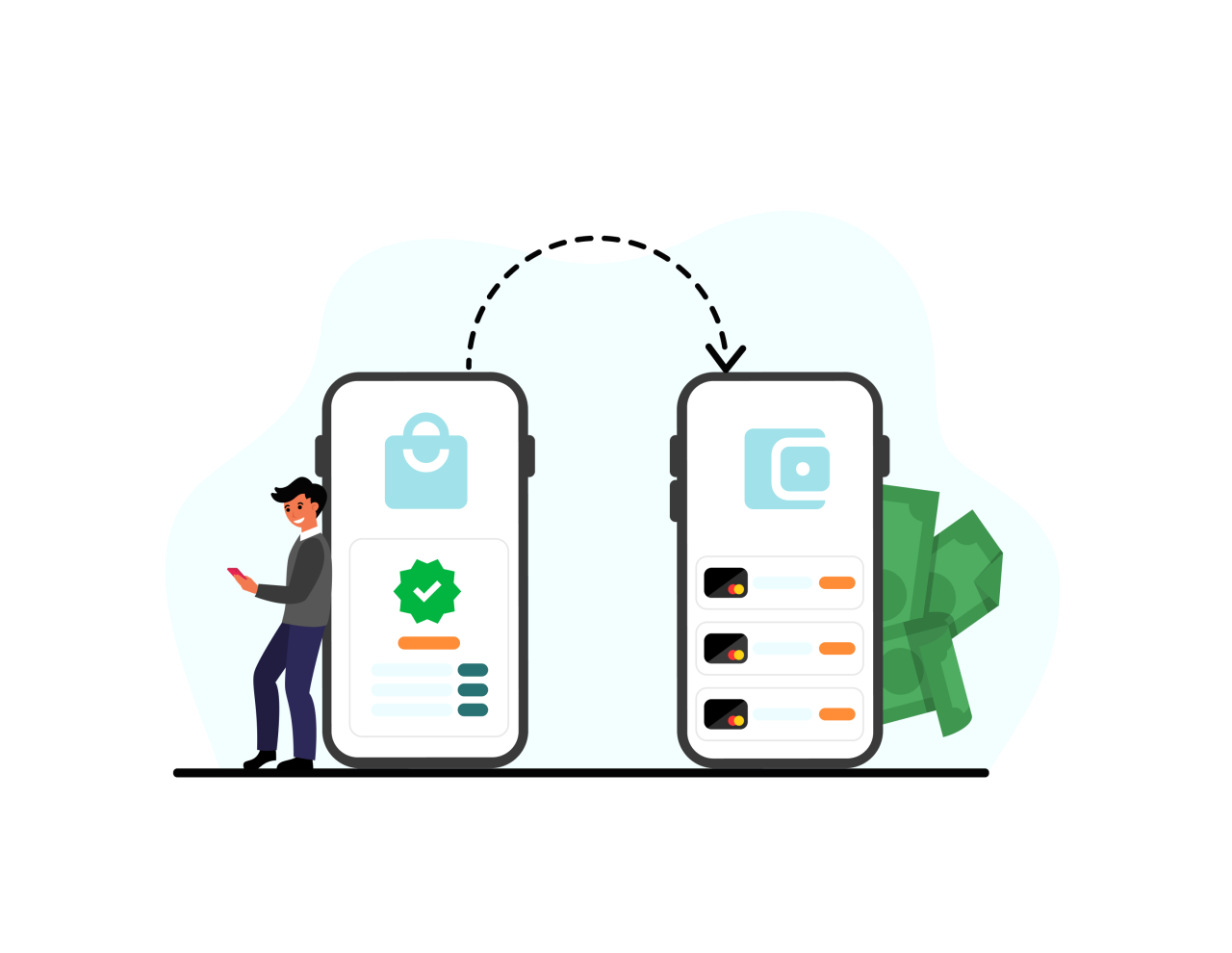
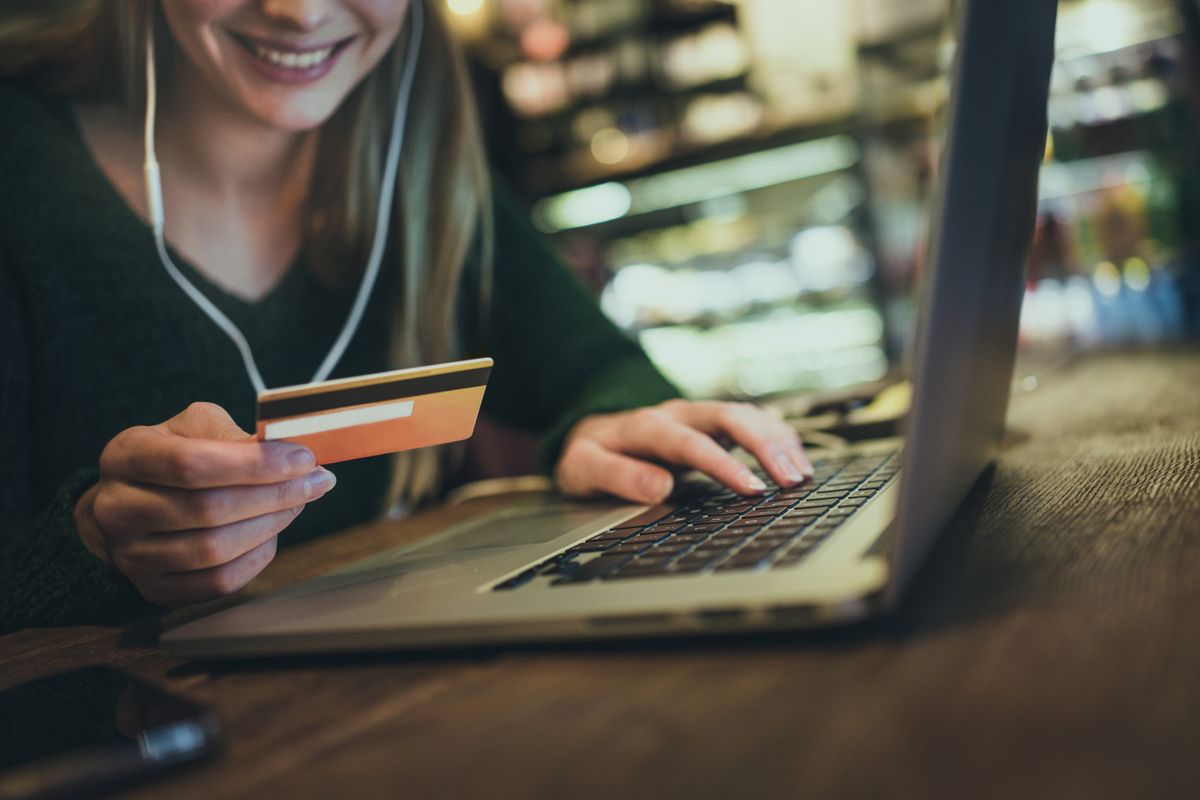
As buy now pay later airline options gain popularity, they offer a newfound flexibility for travelers looking to manage their expenses without breaking the bank.
These services allow passengers to book flights and pay for them in installments, making air travel more accessible for those on tight budgets. This trend not only reflects changing consumer preferences but also highlights the evolving landscape of the airline industry, where flexibility and convenience are paramount.
In recent years, the topic of sustainable living has gained significant traction, capturing the attention of individuals, communities, and governments alike. But what does sustainable living really mean, and why is it so important? At its core, sustainable living refers to a lifestyle that seeks to reduce an individual’s or society’s use of the Earth’s natural resources.
It involves making choices that are environmentally friendly, socially responsible, and economically viable. The aim is to create a balance that allows current generations to meet their needs without compromising the ability of future generations to meet their own.
The Environmental Impact
One of the most pressing reasons for adopting a sustainable lifestyle is the alarming state of our planet. Climate change, biodiversity loss, and pollution are just a few of the challenges we face today. By living sustainably, we can significantly reduce our carbon footprint and minimize our impact on the environment.

Simple actions like using public transportation, reducing energy consumption, and minimizing waste can collectively create substantial change. For instance, opting for reusable bags instead of plastic, using energy-efficient appliances, or supporting renewable energy sources can lead to a healthier planet.
Social Responsibility
Sustainable living is not just about environmental concerns; it also encompasses social responsibility. This includes supporting local economies, fair trade practices, and ensuring that the rights and needs of workers are respected. When consumers choose to buy locally sourced products, they help sustain their community’s economy while reducing the environmental impact associated with long-distance transportation.
Furthermore, understanding the source of our products and choosing ethically produced goods can empower marginalized communities and promote social equity.
Economic Viability
While some may argue that sustainable practices are expensive or inconvenient, the truth is that sustainable living can be economically beneficial in the long run. Investing in energy-efficient technology, such as solar panels or smart home systems, can lead to significant savings on utility bills over time. Additionally, sustainable practices can also create jobs in new industries, such as renewable energy and green technology.
As the demand for sustainable solutions grows, so too does the opportunity for innovation and economic development.
Health Benefits
Adopting a sustainable lifestyle often leads to healthier living. For instance, choosing organic foods not only supports sustainable farming practices but also reduces exposure to harmful pesticides and chemicals. Furthermore, sustainable living encourages physical activity, as it promotes walking, cycling, and outdoor activities rather than relying solely on motorized transport.
A healthier environment, combined with more active lifestyles, can lead to reduced healthcare costs and improved quality of life.
Community Engagement
Sustainable living has the power to bring communities together. Engaging in community gardens, local farmers’ markets, and sustainability workshops can foster connections among individuals and strengthen community bonds. This collective effort not only enhances social ties but also raises awareness about environmental issues. Communities that work together toward sustainability goals are often more resilient and better equipped to face challenges, whether they be environmental or social.
Simple Steps Towards Sustainability
Transitioning to a sustainable lifestyle doesn’t have to be overwhelming. Here are some simple steps you can take to make a difference:
- Reduce, Reuse, Recycle: Make a conscious effort to reduce waste by reusing items where possible and recycling materials properly.
- Conserve Water: Be mindful of water usage by fixing leaks, taking shorter showers, and using water-efficient appliances.
- Support Local: Buy locally produced goods to support your community and reduce transportation emissions.
- Choose Sustainable Transportation: Whenever possible, walk, bike, carpool, or use public transport instead of driving alone.
- Educate Yourself: Stay informed about environmental issues and sustainable practices to make better choices.
Conclusion
In conclusion, sustainable living is not merely a trend; it is a necessity for the well-being of our planet and future generations. By integrating sustainable practices into our daily lives, we can create a positive impact that transcends individual actions and fosters a healthier planet. It is essential that we all take responsibility for our choices and work together towards a more sustainable and equitable world.
The journey may be challenging, but the rewards are immeasurable. Embrace sustainable living, and you’ll contribute to a brighter future for everyone.
Q&A
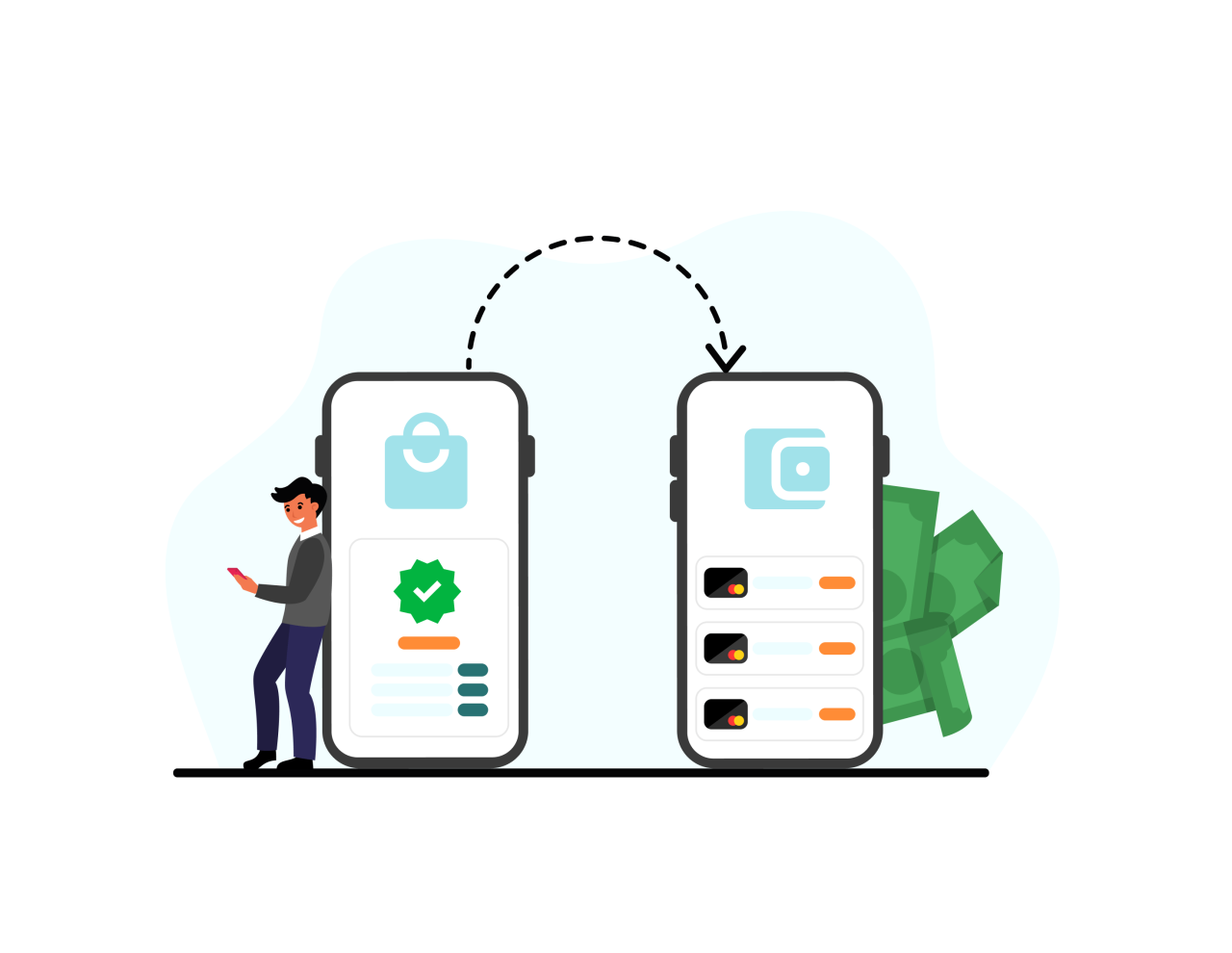
What is buy now pay later airline?
It’s a payment option that allows travelers to book flights and pay in installments.
Are there fees associated with buy now pay later airline services?
Some services may charge fees or interest, so it’s essential to check the terms before committing.
How do I apply for buy now pay later airline options?
Typically, you can apply during the checkout process on the airline’s website or app.
Can I use buy now pay later for international flights?
Yes, many airlines offer buy now pay later options for both domestic and international flights.
Is my credit score affected by using buy now pay later airline services?
It may depend on the provider, as some perform credit checks while others do not.