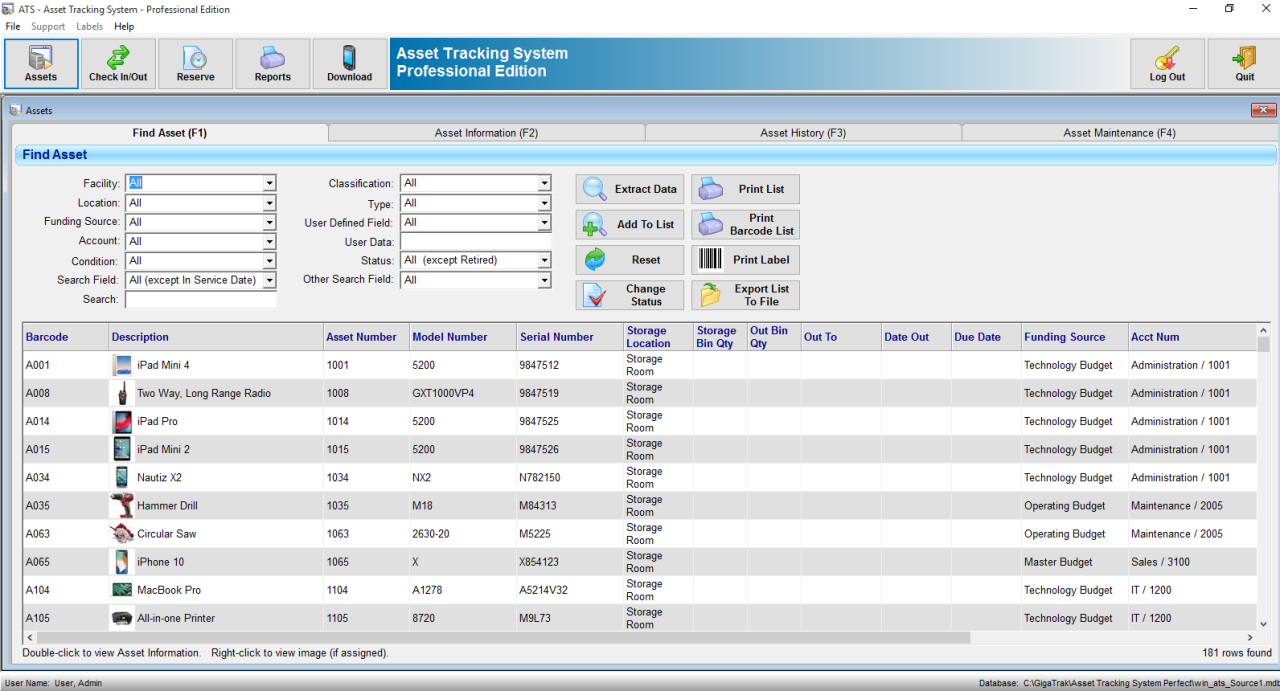
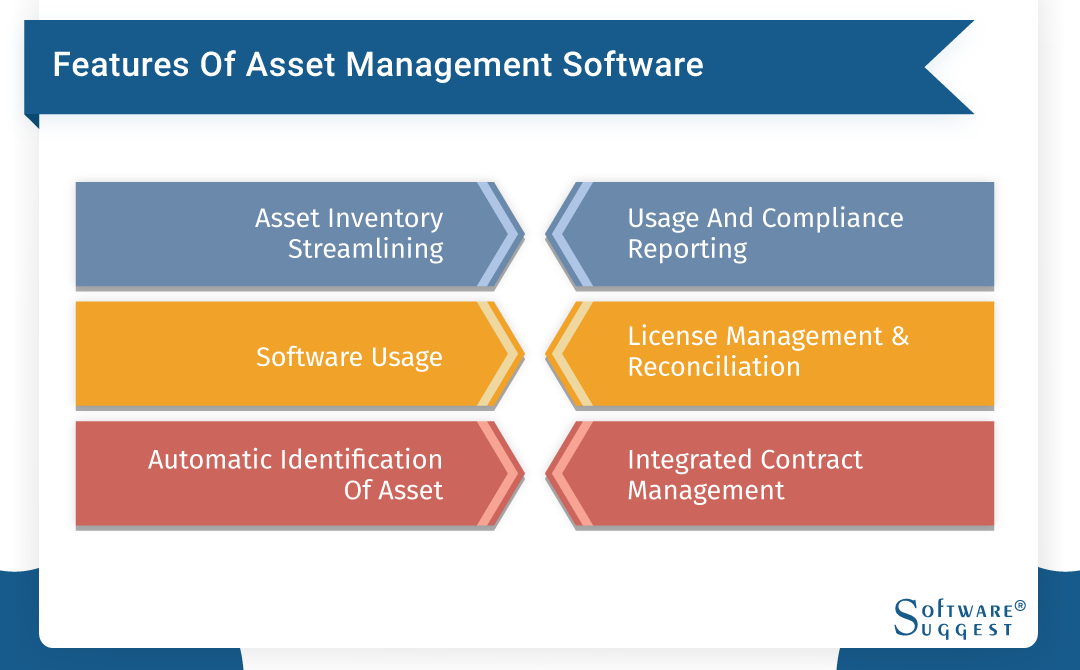
Asset management system software is revolutionizing the way organizations manage their resources, enabling them to optimize efficiency and maximize returns. In today’s fast-paced world, having a robust system in place for tracking assets is essential for any business looking to thrive. Whether it’s tracking financial investments, physical assets, or digital resources, this software provides a streamlined approach that enhances visibility and control over valuable resources.
The significance of asset management software extends beyond mere tracking; it plays a pivotal role in decision-making processes, ensuring that businesses can adapt swiftly to market changes. With features ranging from real-time analytics to automated reporting, these systems not only save time but also contribute to better strategic planning and risk management.
In today’s fast-paced world, the significance of mental health has gained considerable attention. Mental health encompasses our emotional, psychological, and social well-being. It affects how we think, feel, and act. It also influences how we handle stress, relate to others, and make choices. Understanding mental health is crucial for leading a balanced life, yet many people still find it challenging to navigate this vital aspect of their well-being.One of the primary reasons mental health matters is that it underpins every facet of our lives.
When we think about health, physical health often takes center stage, but mental health is equally important. Just as we take steps to care for our physical bodies—eating right, exercising, and getting regular check-ups—we must also prioritize our mental well-being. Neglecting mental health can lead to a host of issues, including anxiety disorders, depression, and other serious mental health conditions.
Moreover, mental health is not solely an individual issue; it has broader societal implications. When individuals struggle with mental health issues, it can lead to increased healthcare costs, reduced productivity, and a decline in overall community well-being. This creates a ripple effect, impacting families, workplaces, and society at large. Therefore, fostering mental health awareness and promoting supportive environments is essential for creating a healthier society.A significant aspect of mental health is understanding the stigma that often surrounds it.
Many individuals hesitate to seek help for fear of being judged or misunderstood. This stigma can prevent individuals from reaching out for the support they need, exacerbating their challenges. Promoting open conversations about mental health can help dispel myths and encourage individuals to seek help without fear of stigma. To build a supportive community for mental health, everyone can contribute in various ways.
Educating ourselves and those around us about mental health issues is a great start. By learning about the signs and symptoms of mental health conditions, we can better understand what others may be experiencing. Additionally, listening without judgment and offering support to those who are struggling can create a sense of belonging and acceptance.Another way to support mental health is by promoting self-care practices.
Self-care involves engaging in activities that nurture your mind, body, and spirit. This can include ensuring adequate sleep, eating nutritious foods, exercising regularly, and finding time for relaxation and hobbies. Self-care is not selfish; it is a necessary practice for maintaining mental and emotional health. Furthermore, mindfulness and meditation have gained popularity as effective tools for enhancing mental well-being. These techniques encourage individuals to focus on the present moment, reducing feelings of anxiety and stress.
By incorporating mindfulness practices into daily routines, individuals can cultivate a sense of calm and improve their overall mental health.Workplaces also play a crucial role in supporting mental health. Employers should foster a culture of openness and understanding towards mental health issues. This can involve implementing employee assistance programs, providing resources for mental health support, and promoting work-life balance. By prioritizing mental health at work, employers can enhance productivity and employee satisfaction while reducing absenteeism and turnover rates.Education systems also have a pivotal role in addressing mental health.
Schools should prioritize mental health education, teaching students about emotional well-being, coping skills, and the importance of seeking help. By integrating mental health topics into curriculums, we can equip future generations with the tools they need to navigate their mental health effectively.In recent years, technology has provided innovative solutions for mental health support. Online therapy platforms, mental health apps, and telehealth services have made accessing mental health care more convenient and less stigmatizing.

These resources can be particularly beneficial for individuals who may be hesitant to seek in-person help. However, it is essential to ensure that these platforms maintain high standards of care and privacy.Moreover, the impact of social media on mental health cannot be overlooked. While social media can foster connections and provide support, it can also contribute to feelings of inadequacy and anxiety.
Being mindful of social media consumption and curating a positive online environment can help mitigate these negative effects. Engaging with uplifting content and unfollowing accounts that induce feelings of self-doubt can create a healthier online experience.It is also essential to recognize the different mental health needs across various populations. Factors such as age, gender, race, and socioeconomic status can influence mental health experiences and access to care.
Tailoring mental health resources and services to address these disparities is crucial to ensure equitable support for all individuals.In conclusion, mental health is a fundamental aspect of overall well-being that deserves our attention and care. By fostering open conversations, promoting self-care, and creating supportive environments, we can work towards a society that values and prioritizes mental health. It is vital to recognize that taking care of our mental health is not just an individual responsibility but a collective one.
Together, we can break the stigma surrounding mental health and create a culture of understanding, compassion, and support for everyone.