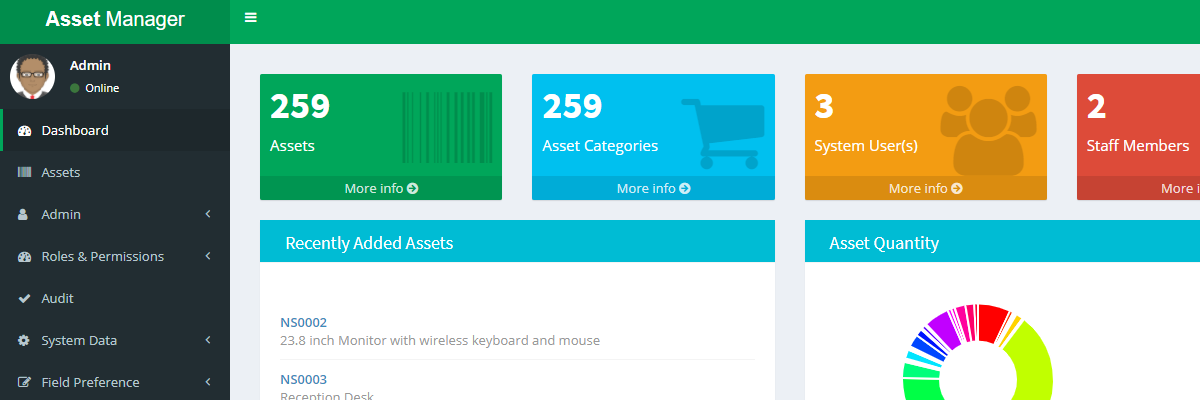
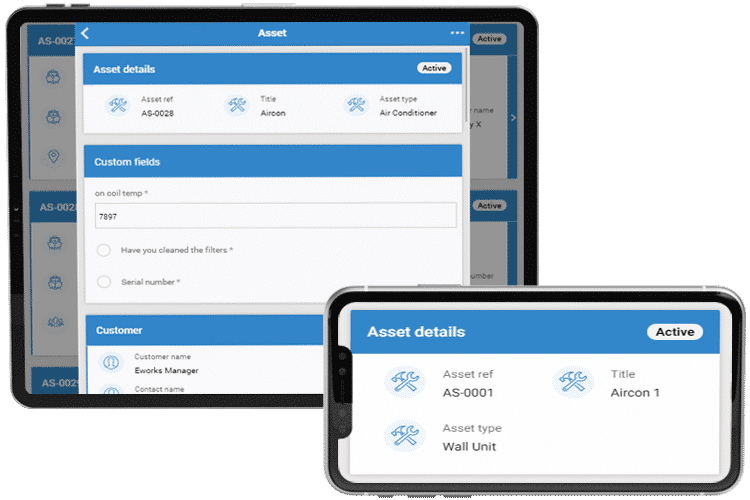
Asset maintenance software is revolutionizing the way organizations manage their assets, ensuring that everything from machinery to infrastructure is operating at peak performance. In today’s fast-paced world, effective asset management can be the difference between success and failure, making this software an essential tool for businesses striving for excellence.
This technology allows companies to track and maintain their assets efficiently, minimizing downtime and extending the life of equipment. With features that include real-time monitoring, automated maintenance scheduling, and data analytics, asset maintenance software empowers organizations to make informed decisions and streamline operations.
In today’s fast-paced digital age, where information is just a click away, the importance of understanding how to effectively communicate online cannot be overstated. Whether you are a business professional, a student, or simply someone looking to stay connected with friends and family, mastering the art of digital communication is essential. This article aims to explore various facets of online communication, offering insights and tips on how to navigate this dynamic landscape.One of the most significant aspects of online communication is the medium through which we convey our messages.
From emails and social media posts to video calls and instant messaging, each platform has its own conventions and etiquette. For instance, while a text message can be informal and brief, an email tends to require a more structured approach. Understanding the nuances of each medium can help you tailor your message for clarity and effectiveness.When it comes to email communication, starting with a clear subject line is crucial.
A well-crafted subject line sets the tone for the entire conversation and allows the recipient to prioritize their response. For example, instead of a vague subject like “Meeting,” consider specifying “Project Update Meeting – Tuesday at 2 PM.” This not only informs the recipient about the email’s content but also encourages them to engage with it promptly.Once you’ve established a clear subject line, the body of your email should be concise yet informative.
Aim to get to the point quickly while providing enough context for the recipient to understand your message. Using bullet points or numbered lists can be an effective way to organize your thoughts and make the email easy to scan. Additionally, always remember to include a polite greeting and a courteous sign-off. A simple “Thank you” or “Looking forward to your response” can go a long way in fostering positive communication.Social media platforms have revolutionized the way we interact with one another.
While they offer incredible opportunities for connection, they also come with their own set of challenges. The informal nature of social media can sometimes lead to misunderstandings or misinterpretations of tone. To avoid this, it’s essential to think before you post. Consider how your words might be perceived by others and strive to maintain a respectful and inclusive tone.Moreover, the visual elements of social media cannot be overlooked.
Images, videos, and emojis can enhance your message and make it more engaging. However, it’s important to use these elements appropriately. For instance, while an emoji may add a friendly touch to a casual post, it may not be suitable for a professional context. Always assess the appropriateness of your content based on the audience and platform.In the realm of video calls, the etiquette differs yet again.
With the rise of remote work and virtual meetings, knowing how to conduct yourself during a video call has become increasingly important. First, ensure that your technology is functioning properly. Test your camera and microphone ahead of time to avoid technical difficulties during the meeting. Additionally, find a quiet space with good lighting, and dress appropriately, as if you were attending an in-person meeting.When speaking during a video call, remember to maintain eye contact by looking at the camera rather than your screen.
This creates a sense of connection with your audience. Also, be mindful of your body language; nodding and using hand gestures can convey engagement and enthusiasm. Finally, when it comes to speaking, try to be concise while allowing others the opportunity to contribute. This not only fosters a collaborative environment but also ensures that everyone’s voice is heard.The rise of instant messaging apps has further changed the landscape of communication.
These platforms allow for quick exchanges but can sometimes lead to misunderstandings due to the lack of nonverbal cues. When using instant messaging, it’s important to be clear and direct. Avoid using jargon or overly casual language that may confuse the recipient. If a conversation becomes complex or sensitive, consider transitioning to a phone call or video chat for more effective communication.Understanding cultural differences is another critical aspect of online communication.
In our increasingly globalized world, you may find yourself communicating with individuals from diverse backgrounds. Be aware that cultural norms can influence communication styles, and what may be acceptable in one culture might not be in another. Therefore, it’s essential to approach cross-cultural communication with an open mind and a willingness to learn.In addition to these practical tips, it’s worth noting the importance of empathy in communication.
Digital communication can sometimes feel impersonal, making it easy to forget that there are real people behind the screens. Take the time to consider the emotions and perspectives of your audience. When crafting your messages, strive for understanding and compassion. This approach not only strengthens your relationships but also fosters a more positive online environment overall.Finally, as we navigate the complexities of online communication, let’s not forget the importance of digital security.
Sharing personal information online can expose you to various risks. Always be cautious about what you share and with whom. Use strong passwords, enable two-factor authentication, and be mindful of the privacy settings on your social media accounts. Protecting your digital presence is paramount in maintaining your safety and integrity online.In conclusion, effective online communication is a vital skill in today’s digital world.
By understanding the various platforms, adapting your tone and style, and fostering empathy in your interactions, you can significantly enhance your communication skills. Whether you are sending an email, posting on social media, or participating in a video call, these tips will help you convey your message more effectively and build meaningful connections with others. As we continue to embrace the digital age, let’s strive to communicate with intention and respect, ensuring that our online interactions are not only productive but also enriching for everyone involved.