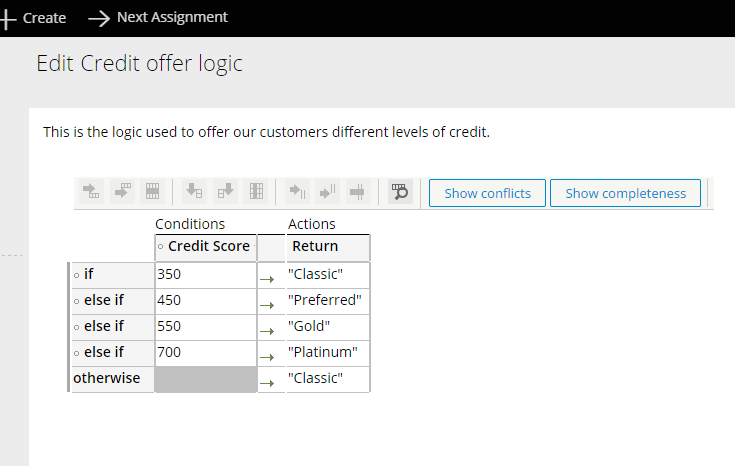
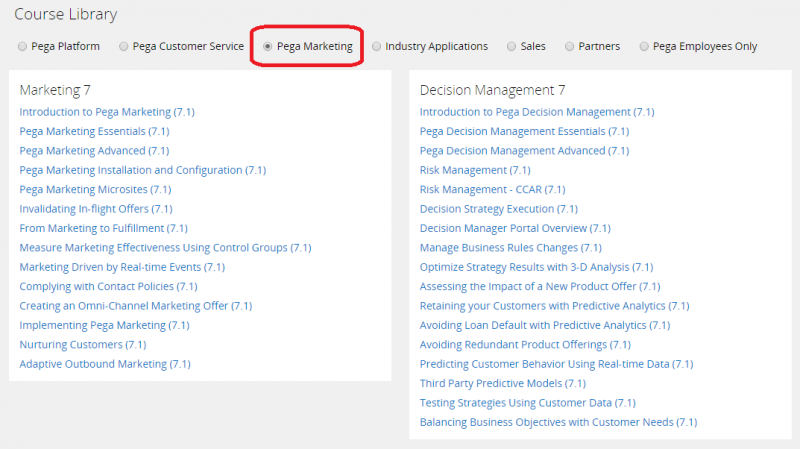
Exploring pega decision management opens up a world of innovative strategies that empower businesses to make informed decisions quickly and effectively. This approach focuses on harnessing data and analytics to drive intelligent decision-making, thereby enhancing operational efficiency and customer satisfaction.
As organizations strive to adapt to the fast-paced digital landscape, pega decision management plays a crucial role in enabling real-time insights and personalized customer experiences. By integrating powerful decision management tools, businesses can streamline processes and foster a culture of data-driven decision-making.
Effective communication is an essential skill in both personal and professional realms. In a world that is becoming increasingly interconnected, the ability to convey thoughts, ideas, and emotions clearly can significantly impact relationships and overall success. This article delves into the nuances of effective communication, exploring its importance, key elements, and strategies to enhance it.
The Importance of Effective Communication
Communication is the lifeline of any relationship, whether it be between friends, family, colleagues, or clients. Misunderstandings can lead to conflict, distrust, and a breakdown in relationships. Conversely, effective communication fosters clarity, understanding, and collaboration. It is pivotal in achieving goals, resolving conflicts, and building meaningful connections.
In the workplace, effective communication contributes to a positive environment, enhances teamwork, and boosts productivity. Employees who feel heard and understood are more likely to be engaged and motivated. In contrast, poor communication can lead to confusion, decreased morale, and higher turnover rates.
Key Elements of Effective Communication
To master the art of communication, one must understand its key elements. These include:
1. Active Listening
Active listening is a fundamental aspect of effective communication. It involves fully concentrating on what the speaker is saying, understanding their message, and responding thoughtfully. This requires minimizing distractions, maintaining eye contact, and providing feedback to the speaker. By practicing active listening, you show respect and validation to the speaker, fostering a more open dialogue.
2. Clarity and Conciseness
Clear and concise communication is essential for preventing misunderstandings. When conveying a message, it’s vital to be straightforward and avoid jargon or overly complex language. Aim to articulate your thoughts in a way that is easy to understand. This allows the recipient to grasp your message quickly and respond appropriately.
3. Nonverbal Communication
Nonverbal cues, such as body language, facial expressions, and tone of voice, play a significant role in how messages are interpreted. Being aware of your own nonverbal signals, as well as those of others, can enhance your communication effectiveness. For instance, maintaining an open posture and using appropriate facial expressions can reinforce your spoken words.
4. Empathy
Empathy is the ability to understand and share the feelings of another person. In communication, showing empathy allows you to connect with others on a deeper level. By acknowledging their emotions and perspectives, you create an environment of trust and openness, making it easier to discuss sensitive topics.
5. Feedback
Providing and soliciting feedback is crucial for effective communication. Constructive feedback helps individuals understand how their message was received and where improvements can be made. Additionally, being open to receiving feedback yourself demonstrates a willingness to grow and adapt.
Strategies to Enhance Communication Skills
Improving communication skills takes practice and dedication. Here are some strategies to help you become a more effective communicator:
1. Practice Active Listening
Make a conscious effort to practice active listening in your daily interactions. Focus completely on the speaker without interrupting, and summarize what they’ve said to ensure understanding. This not only helps clarify the message but also shows the speaker that you value their input.
2. Seek Clarity
If you’re unsure about a message, don’t hesitate to ask for clarification. Phrases such as “Can you elaborate on that?” or “I’m not sure I understand; could you explain further?” show your willingness to engage and understand.
3. Be Mindful of Nonverbal Signals
Pay attention to your own body language and the nonverbal cues of others. Ensure your nonverbal signals align with your spoken words to avoid mixed messages. For instance, if you’re discussing a serious topic, maintaining a serious demeanor can reinforce your message.
4. Develop Empathy
Work on developing your empathy by trying to put yourself in others’ shoes. Consider their feelings and perspectives, especially when conversations become challenging. This will help you respond more thoughtfully and compassionately.
5. Utilize Technology Wisely
In the digital age, communication often occurs through emails, texts, or social media. Be mindful of how your message may be perceived in written form, as tone can easily be misinterpreted. When discussing sensitive issues, consider having face-to-face conversations instead.
Overcoming Barriers to Effective Communication
Despite our best efforts, barriers to effective communication can arise. Some common barriers include:
1. Cultural Differences
Different cultural backgrounds can influence communication styles. Being aware of these differences and adapting your approach can foster better understanding.
2. Emotional Barriers
Emotions can cloud judgment and hinder effective communication. If you’re feeling angry or upset, it’s often best to take a step back and revisit the conversation later when you’re more composed.
3. Physical Barriers
Physical distance can create challenges, especially in a remote work environment. Utilize technology effectively to maintain communication, ensuring everyone feels included and heard.
Conclusion
Effective communication is a vital skill that can enhance personal and professional relationships. By mastering the key elements of active listening, clarity, empathy, and feedback, individuals can create a more harmonious environment. With practice and dedication, anyone can improve their communication skills, leading to stronger connections and greater success in life.
Quick FAQs
What is pega decision management?
Pega decision management is a framework that utilizes data and analytics to optimize decision-making processes within businesses.
How does pega decision management improve customer experience?
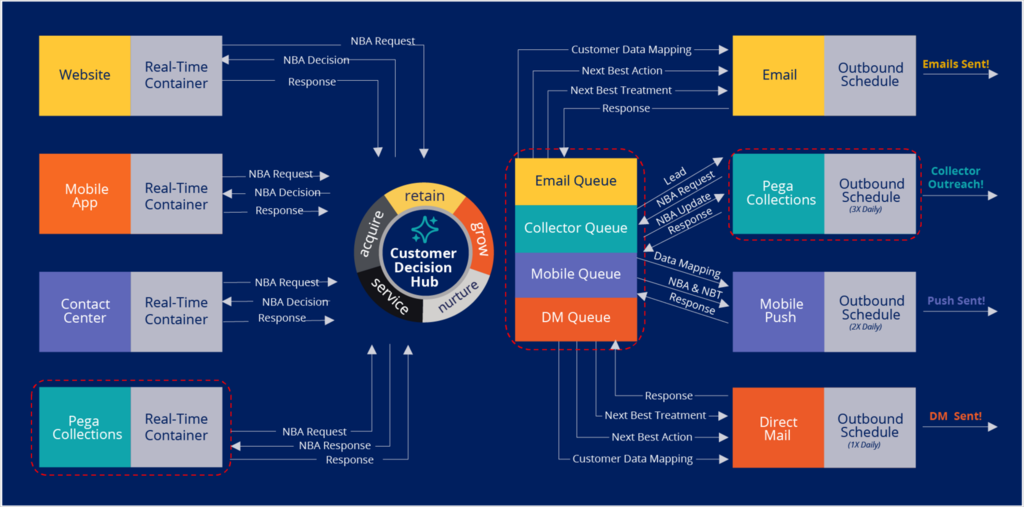
By providing real-time insights and personalized recommendations, pega decision management enhances customer interactions and satisfaction.
What industries benefit from pega decision management?
Industries like finance, healthcare, and retail utilize pega decision management to drive better decision-making and improve results.
Can pega decision management integrate with existing systems?
Yes, pega decision management can be integrated with various existing systems to enhance their functionality and decision-making capabilities.
What are the key features of pega decision management?
Key features include real-time analytics, automated decision-making, and customizable decision frameworks tailored to specific business needs.