With gartner magic quadrant business intelligence 2024 at the forefront, this exploration delves into the transformative landscape of business intelligence. It reveals how organizations leverage data to drive decisions and stay competitive in an ever-evolving market. As we unfold the critical elements of the Gartner Magic Quadrant, we invite you on a journey through its implications, trends, and the pivotal role it plays in shaping business strategies.
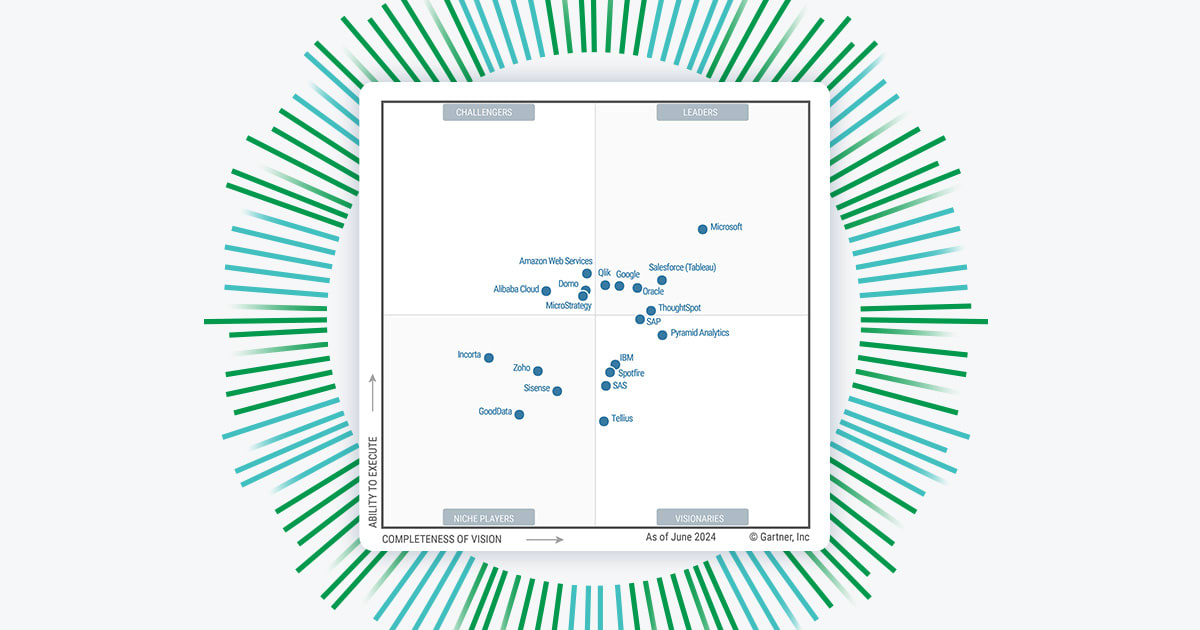
This year’s findings highlight the advancements in analytics and data management tools, showcasing market leaders and challengers that are pushing the boundaries of technological capabilities. The report not only evaluates product performance but also examines visionary insights essential for decision-makers seeking to enhance their business intelligence frameworks.
Effective communication is often touted as a cornerstone of a successful workplace. It’s not just about exchanging information; it’s about understanding the emotions and intentions behind the information. In today’s fast-paced business environment, communication takes on many forms – emails, meetings, instant messages, and even social media interactions. Each of these modes requires different skills and approaches to ensure clarity and conciseness.
Understanding the Basics
At its core, effective communication consists of three essential components: clarity, conciseness, and confidence. Clarity ensures that the message is easily understood by the recipient. Conciseness keeps the message brief, ensuring that key points are highlighted without unnecessary filler. Confidence is vital as it helps convey authority and reassurance, making your audience more likely to engage with your message.
Verbal Communication Skills
When it comes to verbal communication, the tone, pace, and volume of your speech matter significantly. A positive and upbeat tone can motivate your team, while a monotone delivery might lead to disengagement. Additionally, being aware of your pace is crucial; speaking too quickly can confuse listeners, while a very slow pace may lead to boredom. Striking the right balance will ensure that your message is delivered effectively.
Non-Verbal Communication
Non-verbal cues often speak louder than words. Body language, facial expressions, and eye contact all play critical roles in how your message is perceived. For instance, maintaining eye contact during a conversation can establish trust and rapport. Similarly, open body language can make you appear approachable, while crossed arms may create barriers. Being conscious of these non-verbal signals can enhance your communication significantly.
Active Listening
Communication is a two-way street, and active listening is just as important as speaking. It involves paying full attention to the speaker, understanding their message, and responding thoughtfully. Techniques such as nodding, summarizing, and asking clarifying questions can demonstrate that you value the speaker’s input. This not only fosters a positive atmosphere but also encourages more meaningful exchanges.
Adapting to Your Audience
Different situations call for different communication styles. Tailoring your approach to suit your audience is key. For example, when presenting to senior management, a concise executive summary may be more effective than a detailed report. Conversely, when discussing a project with your team, a more collaborative and open-ended discussion may yield better results. Understanding the preferences and expectations of your audience can greatly enhance your communication effectiveness.
Utilizing Technology
In the digital age, communication often occurs through various technological platforms. Mastering these tools is essential for effective communication in the workplace. Email, for instance, requires a different style compared to face-to-face conversations. It’s important to be mindful of your tone in written communication, as it can often be misinterpreted. Emoticons or clear subject lines can help convey the right message and tone.

Handling Difficult Conversations
Not all conversations will be easy, and handling difficult discussions with grace is an essential skill. Whether it’s delivering constructive feedback or navigating conflicts, being calm, respectful, and empathetic can help ease tension. Preparing for these conversations can also make a difference. Have a clear agenda, stay focused on the issue at hand, and avoid personal attacks. This approach can lead to a more positive outcome.
The Role of Feedback
Feedback is a critical aspect of communication that often gets overlooked. Providing and receiving constructive feedback can help improve performance and build stronger relationships. When giving feedback, be specific, focus on behaviors rather than personal attributes, and always offer suggestions for improvement. On the flip side, when receiving feedback, show appreciation and seek clarity if needed. This creates an environment where continuous improvement is encouraged.
Conclusion
Mastering the art of effective communication is a continuous journey that requires practice and awareness. By honing your verbal and non-verbal skills, actively listening, adapting to your audience, and utilizing technology, you can foster a more productive and harmonious workplace. Remember, communication is not just about what you say; it’s also about how you say it and how it’s received.
Embrace these strategies to enhance not only your professional relationships but also your overall work experience.
Common Queries
What is the Gartner Magic Quadrant?
It’s a research methodology that provides a graphical representation of a market’s direction, maturity, and participants.
Why is the Gartner Magic Quadrant important?
It helps organizations assess technology providers and their capabilities, facilitating informed decision-making.
How often is the Gartner Magic Quadrant updated?
The Magic Quadrant reports are typically published annually, reflecting changes in the market and technology landscape.
Who are the typical participants in the Magic Quadrant?
Participants include various technology vendors offering business intelligence and analytics solutions.
How can businesses utilize the Magic Quadrant?
Businesses can use it to identify suitable vendors, understand market trends, and evaluate their own technology needs.