Web app developers set the stage for this enthralling narrative, offering readers a glimpse into a story that is rich in detail and brimming with originality from the outset. In a world where digital experiences are paramount, web app developers play a crucial role in creating applications that are not just functional but also user-friendly and engaging, bridging the gap between technology and everyday users.
From crafting intricate back-end systems to designing intuitive front-end interfaces, these developers ensure that online platforms operate smoothly and efficiently. Their expertise ranges from understanding complex programming languages to implementing the latest design trends, making them invaluable in an ever-evolving tech landscape.
In today’s fast-paced world, the significance of effective communication cannot be overstated. Whether it’s in personal relationships, the workplace, or digital interactions, the ability to express thoughts clearly and understand others is pivotal. This article delves into the nuances of communication, exploring its forms, importance, and tips for enhancing your skills. Communication is a multifaceted concept that encompasses various forms: verbal, non-verbal, written, and visual.
Each type plays a crucial role in how we convey and receive messages. Verbal communication is perhaps the most recognizable form. It involves spoken words, which can be influenced by tone, clarity, and pace. For instance, when delivering a presentation, the way one articulates their points can make a significant difference in audience engagement. A calm, steady voice often conveys confidence, while a hurried tone may suggest nervousness or uncertainty.Non-verbal communication, on the other hand, often speaks volumes without a single word being uttered.
Body language, facial expressions, and even eye contact can communicate feelings and intentions more effectively than words sometimes can. For example, crossed arms may indicate defensiveness, while an open posture often suggests receptiveness and openness to dialogue.Written communication is another critical aspect, especially in our increasingly digital age. Emails, messages, and social media posts are the primary modes of written communication.
Here, clarity and structure are paramount. A well-organized email with a clear subject line and concise body can lead to a more productive conversation and demonstrate professionalism.Visual communication, which includes charts, graphs, and imagery, complements the other forms. It helps convey complex information quickly and can enhance understanding and retention. In a world where attention spans are dwindling, a well-placed visual can capture interest and make information memorable.The importance of communication extends beyond mere expression; it is foundational to building relationships.
In personal relationships, open and honest communication fosters trust and understanding. In professional settings, effective communication can lead to better teamwork, increased productivity, and a positive work environment. However, despite its significance, many individuals struggle with communication. Factors such as anxiety, cultural differences, and varying communication styles can create barriers. For instance, while some people are comfortable speaking in public, others may find it daunting, leading to miscommunication or disengagement.
To enhance communication skills, one can adopt several strategies. Firstly, active listening is crucial. This involves not just hearing the words spoken but also understanding the context and feelings behind them. Practicing empathy allows one to respond more thoughtfully and connect on a deeper level. Secondly, being mindful of body language can significantly improve interactions.
By aligning verbal and non-verbal cues, individuals can convey sincerity and openness. For example, maintaining eye contact while speaking demonstrates confidence and engagement, while nodding in response can encourage the speaker and show attentiveness.Moreover, refining written communication skills can be achieved through practice and feedback. Writing clearly and concisely while maintaining a professional tone can enhance the effectiveness of emails and reports.
It is essential to consider the audience and tailor the message accordingly to ensure that it resonates well.Another effective method for improving communication is to seek constructive feedback. Engaging trusted friends or colleagues for their input on your communication style can provide valuable insights and highlight areas for improvement. This openness to feedback demonstrates a willingness to grow and adapt.Furthermore, taking the time to understand cultural differences in communication can foster better understanding and connections.
Awareness of diverse communication styles and norms can prevent misunderstandings and promote inclusiveness in multicultural settings. Lastly, practicing mindfulness can also enhance communication skills. Being present in conversations and minimizing distractions allows for more genuine interactions. In today’s world, where multitasking is common, focusing solely on the speaker can lead to deeper connections and a more meaningful exchange of ideas.In conclusion, effective communication is an essential skill that can improve personal and professional relationships.
By understanding the various forms of communication and adopting strategies to enhance these skills, individuals can navigate conversations with greater ease and confidence. Whether through active listening, refining body language, or seeking feedback, continuous improvement in communication can lead to more fulfilling interactions and a better understanding of those around us. Investing time and effort into becoming a better communicator is worthwhile, as it opens the doors to opportunities and connections that enrich our lives.
In a world that thrives on connection and collaboration, mastering the art of communication is not just beneficial; it is crucial for success and fulfillment.
FAQ Overview
What programming languages do web app developers use?
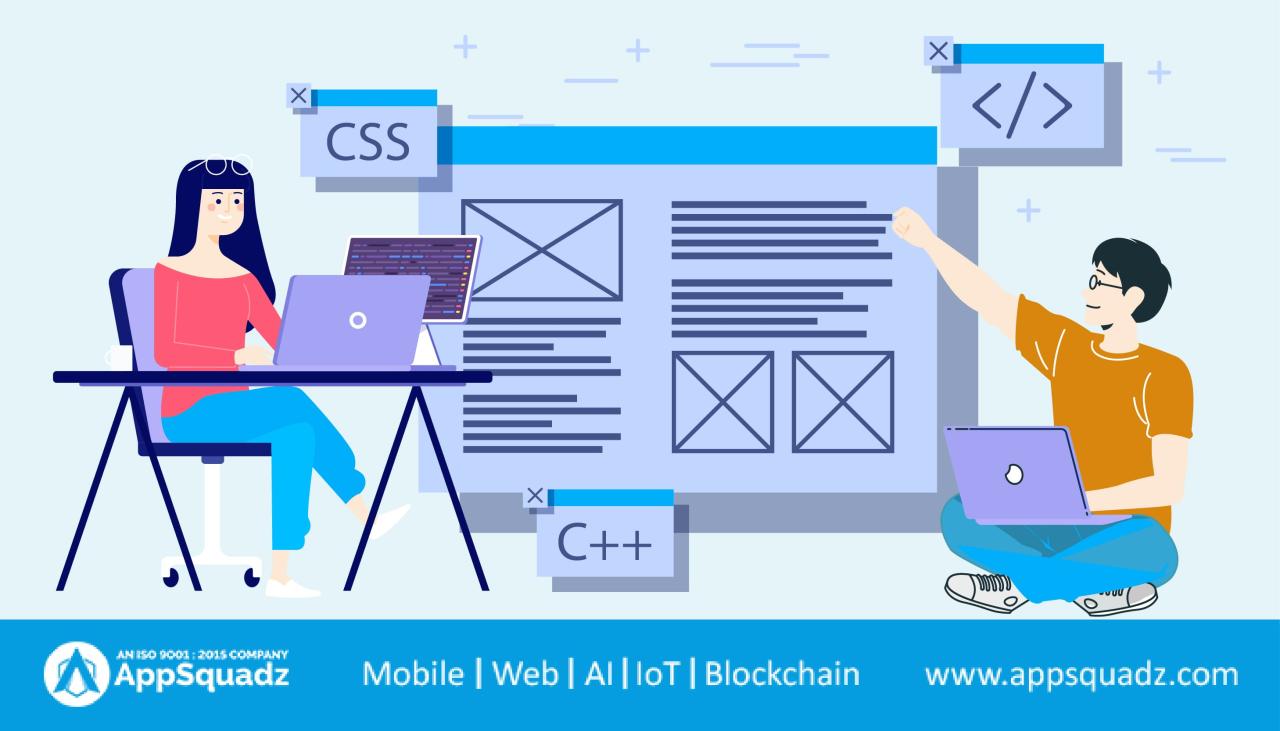
Web app developers commonly use languages like JavaScript, Python, Ruby, PHP, and Java, depending on the project requirements.
What is the difference between a web app and a website?

A web app is an interactive application that allows user input and manipulation, while a website is primarily informational and static.
How can I hire a web app developer?
You can hire a web app developer through freelance platforms, job boards, or by reaching out to development agencies that specialize in app creation.
What are some common challenges faced by web app developers?
Common challenges include ensuring cross-browser compatibility, optimizing performance, and maintaining security throughout the development process.
What tools do web app developers use?
They often use frameworks like React or Angular, version control systems like Git, and various integrated development environments (IDEs) for coding.