Exploring whether Fidelity has ventured into the cryptocurrency market is both timely and intriguing, especially as digital assets gain prominence. With an increasing number of traditional financial institutions embracing crypto, it raises questions about Fidelity’s stance and offerings in this dynamic landscape.
This discussion will shed light on Fidelity’s current involvement with cryptocurrencies, including investment options and the services it provides for those interested in this digital frontier. Understanding Fidelity’s role can help investors make informed decisions about integrating crypto into their portfolios.
In today’s fast-paced world, having a clear understanding of effective communication is more important than ever. Communication acts as the cornerstone of our interactions, whether personal or professional. It encompasses not only verbal exchanges but also non-verbal cues, written messages, and visual representations. In this article, we will delve into the significance of communication, explore its various forms, and discuss how we can enhance our communication skills for better relationships and success.First and foremost, let’s recognize the core elements of communication.
At its essence, communication is the process of exchanging information, ideas, thoughts, and feelings between individuals or groups. The primary goal of this exchange is to achieve understanding and foster connections. Effective communication involves the sender, the message, and the receiver. Each component plays a vital role in ensuring that the intended message is accurately conveyed and comprehended.One of the most common communication forms is verbal communication, which includes spoken and written language.

Verbal communication allows us to express our thoughts clearly and directly. However, it’s important to remember that the way we deliver our message can greatly impact its reception. Tone, volume, and pace are critical factors that contribute to how our words are interpreted. For example, a calm and steady tone can help convey confidence, while a hurried or shaky voice might suggest uncertainty.Alongside verbal communication, non-verbal communication is equally crucial.
It includes body language, facial expressions, gestures, and eye contact. Research suggests that a significant portion of our communication is non-verbal, often exceeding 70%. This means that while our words are important, our body language may speak even louder. For instance, crossing arms might signal defensiveness, while maintaining eye contact can indicate attentiveness and engagement. Being aware of our non-verbal signals and those of others can enhance understanding and connection.In addition to verbal and non-verbal communication, written communication plays a substantial role in our daily interactions.
Whether it’s crafting an email, writing a report, or sending a text message, the ability to convey our message effectively in writing is essential. Written communication allows for careful consideration of our words, giving us the opportunity to edit and refine our thoughts before sharing them. However, the absence of tone and body language in written communication can sometimes lead to misunderstandings.
Thus, utilizing clear language, proper grammar, and a well-structured format is vital in ensuring that our written messages are understood as intended.As we navigate through the various forms of communication, it becomes evident that effective communication skills can greatly enhance our relationships—both personal and professional. In interpersonal relationships, clear communication fosters trust and intimacy. When we communicate effectively with our friends, family, or partners, we create a safe space for open dialogue, allowing us to express our feelings, resolve conflicts, and build stronger bonds.In the workplace, effective communication is paramount for collaboration and productivity.
Teams that communicate well are more likely to achieve their goals, as they can share ideas, provide feedback, and address challenges promptly. Additionally, strong communication skills can help individuals advance in their careers. Those who can articulate their thoughts clearly and engage in meaningful conversations are often viewed as leaders and are more likely to be considered for promotions and leadership roles.So, how can we enhance our communication skills?
Here are some actionable tips to consider:
1. Practice Active Listening
Listening is just as important as speaking. When someone is sharing their thoughts, give them your full attention. Avoid interrupting and take the time to understand their perspective before responding. Ask clarifying questions to show that you are engaged and interested in the conversation.
2. Be Clear and Concise
Whether you are speaking or writing, strive to convey your message clearly and succinctly. Avoid jargon or overly complicated language that may confuse your audience. The goal is to make your message easy to understand.
3. Be Mindful of Non-Verbal Signals
Pay attention to your body language and facial expressions, as well as those of the person you are communicating with. Make a conscious effort to maintain eye contact, use open gestures, and be aware of your posture. These non-verbal cues can reinforce your message and demonstrate your engagement.
4. Tailor Your Message to Your Audience
Consider who you are communicating with and adjust your message accordingly. Different audiences may require different approaches. For instance, a casual conversation with friends will differ from a formal presentation at work.
5. Seek Feedback
Don’t hesitate to ask for feedback on your communication style. This can help you identify areas for improvement and gain insights into how others perceive your messages. Constructive feedback can be invaluable for personal growth.
6. Practice Empathy
Try to understand the emotions and experiences of others. Empathy allows you to connect on a deeper level, making your communication more meaningful. Acknowledging someone’s feelings can create a more supportive and understanding environment.
7. Engage in Continuous Learning
Communication skills can always be improved. Consider attending workshops, reading books, or taking courses focused on communication. The more you learn, the better equipped you will be to navigate various communication scenarios.In conclusion, effective communication is a vital skill that impacts every aspect of our lives. By understanding its different forms—verbal, non-verbal, and written—we can enhance our interactions and relationships.
Practicing active listening, being clear and concise, and being mindful of non-verbal cues are just a few strategies to improve our communication skills. As we continue to develop these skills, we pave the way for greater understanding, collaboration, and success in our personal and professional endeavors.
FAQ Overview
What cryptocurrencies does Fidelity offer?
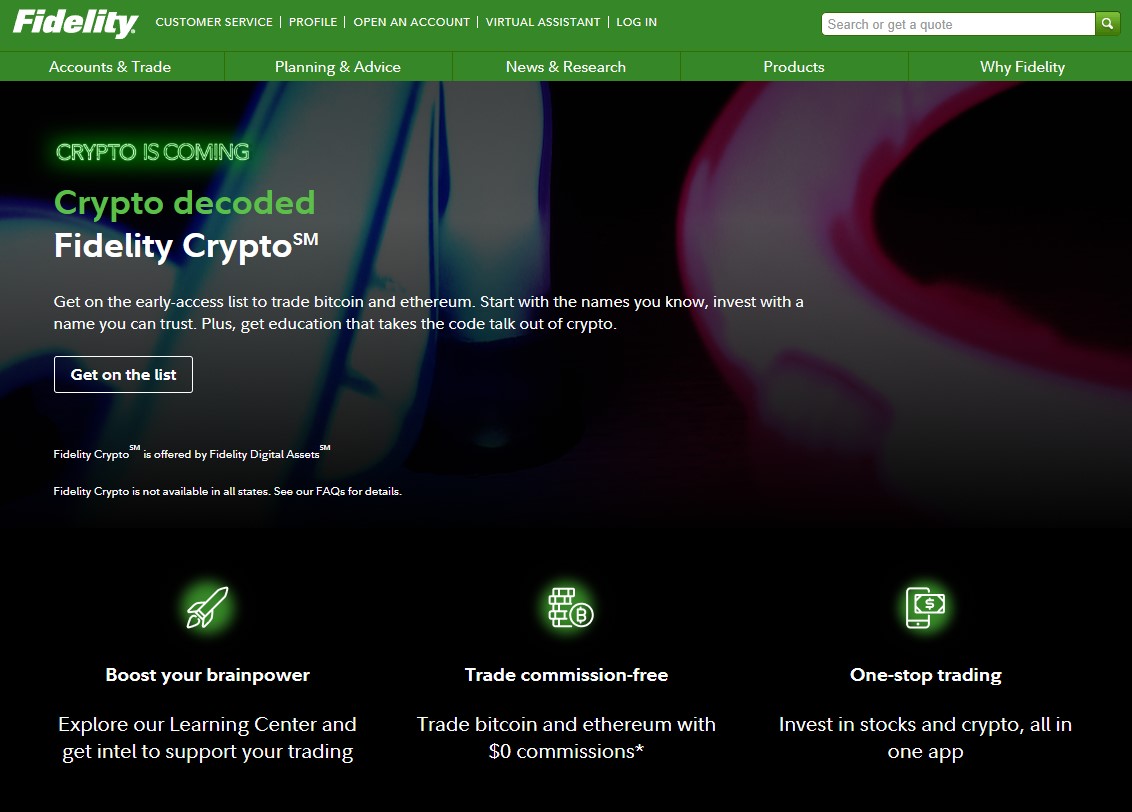
Fidelity primarily offers Bitcoin and Ethereum for trading and investment.
Can I store my cryptocurrencies with Fidelity?
Yes, Fidelity provides wallet services for secure storage of cryptocurrencies.
Is Fidelity’s crypto service available to all investors?
Fidelity’s crypto services are available to eligible customers, typically institutional and accredited investors.
Are there any fees associated with trading crypto at Fidelity?
Yes, there are fees for trading cryptocurrencies, which may vary based on the transaction type.
How does Fidelity ensure the security of crypto investments?

Fidelity employs advanced security measures, including encryption and cold storage, to protect crypto assets.