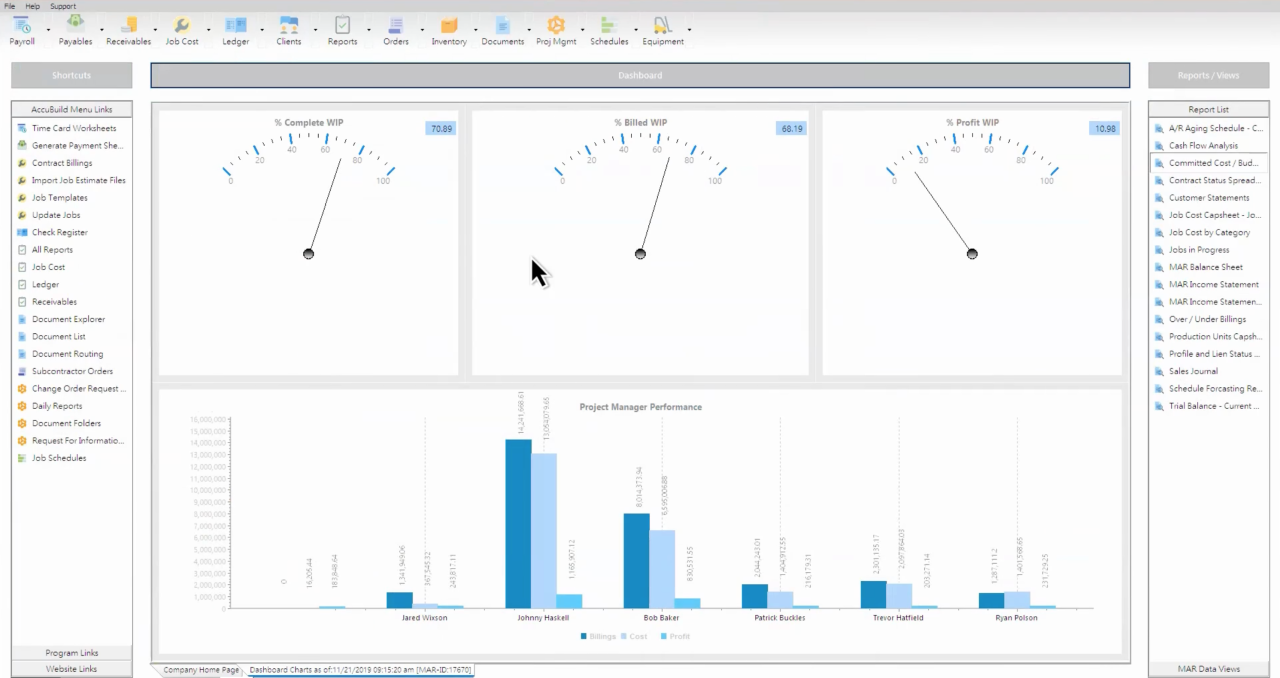
In the fast-paced world of construction, managing finances efficiently is crucial, and that’s where accounting software for small construction business comes into play. This type of software not only simplifies financial tracking but also enhances decision-making and project management. As the construction industry becomes more competitive, leveraging the right tools can make all the difference in maintaining profitability and ensuring smooth operations.
By adopting specialized accounting software, small construction businesses can streamline their bookkeeping processes, manage budgets more effectively, and gain insights into project costs. This software caters specifically to the unique needs of construction firms, addressing challenges such as job costing, payroll management, and compliance with industry regulations. The right accounting solution can empower businesses to focus on building projects while keeping their finances in check.
In today’s fast-paced world, technology has become an integral part of our daily lives, influencing how we communicate, work, and relax. This shift towards a more digital lifestyle has not only changed our habits but has also brought about significant changes in various sectors, including education, healthcare, and entertainment. In this article, we will explore the impact of technology on these sectors and how it shapes our experiences in each.Firstly, let’s take a closer look at the education sector.
Technology has revolutionized the way we teach and learn. Traditional classrooms are evolving into interactive learning environments where students can access a plethora of information at their fingertips. E-learning platforms and online courses have made education more accessible than ever before. Students can now learn at their own pace, revisit complex topics, and engage with educators from around the globe without the constraints of geographical boundaries.Moreover, technology-enhanced tools like smartboards, educational apps, and virtual reality are making learning more engaging and interactive.
For instance, a history lesson can come alive with a virtual reality tour of ancient civilizations, providing students with a deeper understanding of the subject matter. The integration of technology in education not only helps cater to different learning styles but also prepares students for a workforce that is increasingly reliant on technological skills.Moving on to the healthcare sector, technology has brought about groundbreaking advancements that have transformed patient care.
Telemedicine is one such innovation that has gained traction, especially in the wake of the COVID-19 pandemic. Patients can now consult with healthcare professionals from the comfort of their homes, eliminating the need for unnecessary travel and reducing the risk of exposure to contagious diseases. This convenience is particularly beneficial for individuals living in remote areas, where access to healthcare services may be limited.Additionally, electronic health records (EHRs) have streamlined the process of managing patient information.
Healthcare providers can easily access a patient’s medical history, medications, and allergies, leading to more informed decision-making and better patient outcomes. Wearable technology, such as fitness trackers and smartwatches, has also encouraged individuals to take charge of their health by monitoring vital signs and activity levels in real-time. This shift towards preventive healthcare is not only empowering patients but also alleviating the burden on healthcare systems.Lastly, the entertainment industry has been transformed by technology in ways we could have hardly imagined a few decades ago.

Streaming services like Netflix and Spotify have changed the way we consume media, allowing us to enjoy our favorite shows and music on demand. The concept of “binge-watching” has become a cultural phenomenon, with viewers devouring entire seasons of a series in one sitting. This has led to a shift in how content is created as well, with producers catering to the audience’s desire for high-quality, engaging content that can be consumed at their leisure.Moreover, advancements in gaming technology have also played a significant role in shaping our entertainment experiences.
With the rise of virtual reality and augmented reality, gamers can immerse themselves in fantastical worlds, making gaming a more interactive and social experience. Multiplayer online games have fostered communities and friendships that span across the globe, demonstrating the power of technology to connect people through shared interests.However, as we embrace these technological advancements, it is essential to consider the challenges and potential downsides they may bring.

The digital divide remains a significant concern, as not everyone has equal access to technology and the internet. This inequality can exacerbate existing disparities in education and healthcare, leaving vulnerable populations at a disadvantage. It is crucial for policymakers and organizations to work together to bridge this gap and ensure everyone can benefit from the advancements technology has to offer.Moreover, the over-reliance on technology can lead to issues such as decreased face-to-face interactions, privacy concerns, and a rise in cyberbullying.
As we navigate this new digital landscape, it is vital to strike a balance between embracing technology and maintaining our human connections. Encouraging open conversations about online behavior, digital literacy, and the importance of mental health can help mitigate some of these concerns.In conclusion, technology is a double-edged sword that has the potential to enhance our lives significantly. It has transformed the education, healthcare, and entertainment sectors, making them more accessible, efficient, and engaging.
However, as we continue to embrace these changes, it is essential to remain vigilant about the challenges they may pose. By fostering discussions around digital equity, mental health, and responsible technology use, we can ensure that the benefits of technology are enjoyed by all while minimizing its drawbacks. The future is undoubtedly bright, and with careful consideration and collaboration, we can harness the power of technology to pave the way for a better tomorrow.