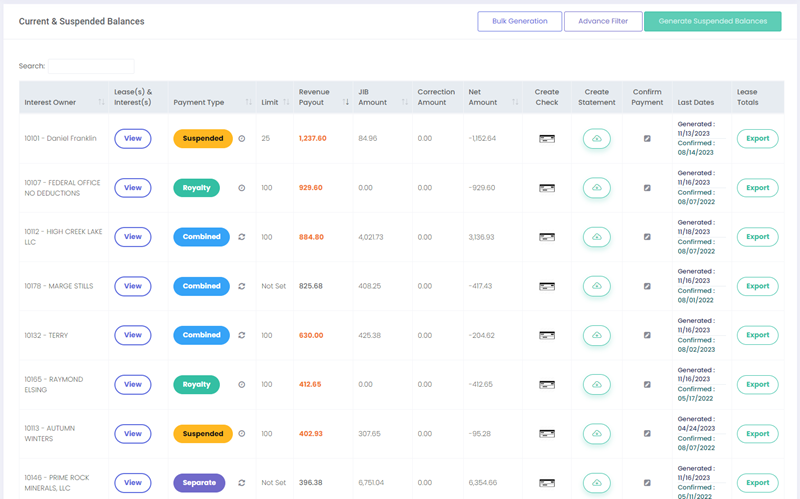
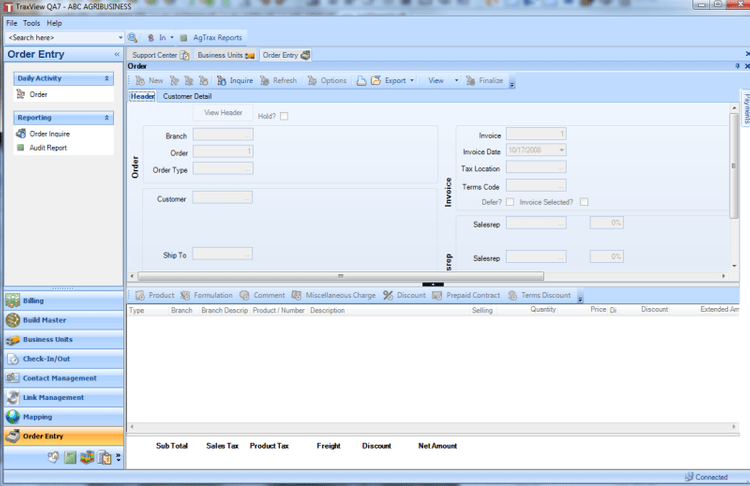
Beginning with accounting software oil gas, the narrative unfolds in a compelling and distinctive manner, drawing readers into a story that promises to be both engaging and uniquely memorable. In the dynamic world of the oil and gas industry, precise financial management is critical. With the complexities of operations, regulatory requirements, and market fluctuations, specialized accounting software emerges as an indispensable tool to streamline processes and enhance accuracy.
This software not only aids in financial reporting but also provides insights into operational performance, ensuring that companies can make informed decisions. As the industry evolves, the integration of advanced technology in accounting practices continues to shape the future of financial management in oil and gas.
In today’s fast-paced digital landscape, the significance of effective communication cannot be overstated. Whether in a personal or professional setting, the ability to convey ideas clearly and persuasively is paramount. This article delves into the various facets of communication, exploring why it’s essential, the different styles and mediums available, and practical tips to enhance your skills.Firstly, let’s define what communication really is.
At its core, communication is the act of transferring information from one entity to another. This can be through verbal means, such as speaking and listening, or non-verbal methods, including body language and facial expressions. In the modern world, digital communication has risen dramatically, incorporating emails, texts, and social media platforms into our daily interactions. One of the critical reasons effective communication is essential is because it helps build relationships.
Whether at home, at work, or in social circles, the way we communicate can significantly affect our connections with others. Clear and open communication fosters trust, minimizes misunderstandings, and encourages collaboration. For instance, in a workplace, a manager who communicates expectations and feedback clearly is likely to have a more engaged and productive team. Moreover, effective communication is crucial in conflict resolution.
Misunderstandings often lead to disputes, but clear dialogue can bridge gaps and lead to amicable solutions. It’s vital to approach conflicts with a willingness to listen and understand the other party’s perspective. This not only helps in resolving the issue at hand but also strengthens the relationship going forward.Now, let’s explore different communication styles. Typically, communication can be categorized into four primary styles: assertive, passive, aggressive, and passive-aggressive.
1. Assertive Communication
This is the most effective style, characterized by the ability to express thoughts and feelings openly and honestly while respecting others. Assertive communicators are clear about their needs and boundaries, which leads to healthier relationships.
2. Passive Communication
Individuals who adopt this style often avoid expressing their feelings or needs, leading to unfulfilled expectations and resentment. This style can create misunderstandings and hinder relationships over time.
3. Aggressive Communication
This style is marked by expressing needs and feelings in a way that violates the rights of others. It can lead to fear and resentment in relationships and is generally counterproductive.
4. Passive-Aggressive Communication
This occurs when individuals express their negative feelings indirectly rather than openly addressing them. It can create confusion and lead to further conflict, making it an ineffective way to communicate.Understanding these styles is crucial, as it allows individuals to identify their own tendencies and adapt their communication methods to be more effective. In addition to styles, the medium of communication also plays a vital role.
With the rise of technology, we have numerous platforms to choose from, each with its nuances.
Face-to-Face Communication
This remains the most effective form of communication. Non-verbal cues such as body language and eye contact play a significant role in how messages are received.
Written Communication
Emails, texts, and reports can be powerful tools but may lack the emotional nuances of face-to-face dialogue. Clarity and conciseness are key when conveying messages in writing.
Digital Communication
Social media and messaging apps have transformed how we interact. While these platforms enable quick communication, they can sometimes lead to misunderstandings due to the lack of visual and vocal cues.As we navigate these mediums, it’s essential to select the appropriate method based on the context and audience. For example, delivering constructive feedback is often best done in person rather than via email, where tone may be lost.Now, let’s move on to some practical tips for enhancing your communication skills:
1. Listen Actively
One of the most critical aspects of effective communication is being a good listener. Show genuine interest in what others are saying, and ask follow-up questions to demonstrate understanding. This encourages open dialogue and makes the other person feel valued.
2. Be Clear and Concise
Whether speaking or writing, aim to get straight to the point. Avoid jargon or overly complex language that may confuse your audience. The goal is to ensure your message is understood.
3. Pay Attention to Non-Verbal Signals
Your body language, facial expressions, and eye contact significantly affect how your message is received. Ensure your non-verbal cues align with your verbal communication.
4. Practice Empathy
Understanding others’ perspectives can enhance your communication significantly. Try to put yourself in their shoes and consider their feelings when conveying your message.
5. Seek Feedback
Regularly ask for feedback on your communication style from trusted colleagues or friends. This can provide valuable insights and highlight areas for improvement.
6. Adapt Your Style
Recognize that different situations and audiences may require different communication styles. Be flexible and willing to adjust your approach as necessary.
7. Embrace Technology
Utilize tools and apps designed to improve communication skills. There are countless resources available that can help you refine your abilities, from language learning apps to platforms for practicing public speaking.

8. Stay Patient and Open-Minded
Effective communication is an ongoing process. It’s essential to remain patient with yourself and open to learning from each interaction. In conclusion, the art of communication is a vital skill that can significantly impact your personal and professional life. By understanding the various styles, mediums, and techniques available, you can enhance your ability to connect with others effectively. Remember, communication is not just about exchanging information; it’s about building relationships, resolving conflicts, and fostering collaboration.
With practice and a willingness to improve, anyone can become a better communicator. So, take the first step today and start honing your skills. Whether you’re in a meeting, chatting with friends, or writing an email, remember that every interaction is an opportunity to connect and communicate effectively.