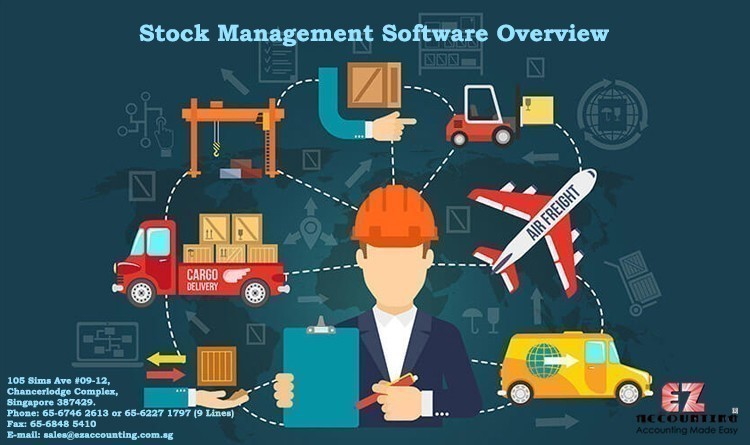
Accounting and stock management software is essential in today’s fast-paced business environment, providing organizations with the tools they need to manage finances and inventory efficiently.
This software not only streamlines operations but also enhances decision-making through real-time data analysis, making it a vital asset for companies aiming to optimize their resources.

In the ever-evolving landscape of technology, innovation stands as the cornerstone of progress, shaping the way we live, work, and interact with one another. Each year brings forth a wave of advancements that not only revolutionize industries but also enhance the quality of our daily lives. As we delve into the remarkable trends and innovations that define our era, it’s essential to appreciate how these developments influence various sectors, from healthcare to communication and beyond.To begin with, let’s explore the realm of artificial intelligence (AI), which has emerged as a transformative force across multiple industries.
AI technologies are increasingly integrated into everything from customer service chatbots to advanced data analytics tools. These innovations enable businesses to streamline operations, improve customer experiences, and make data-driven decisions. The ability of AI to process vast amounts of information in real-time is turning it into an invaluable asset for organizations aiming for efficiency and competitiveness.Healthcare is one sector where AI’s impact is particularly profound.

The integration of AI-driven tools in medical diagnostics, personalized medicine, and patient care is revolutionizing how healthcare providers operate. For instance, AI algorithms can analyze medical images with remarkable accuracy, assisting radiologists in identifying conditions such as tumors or fractures more efficiently. Moreover, predictive analytics can help in early diagnosis and treatment planning, potentially saving lives and reducing healthcare costs.Furthermore, the advent of telemedicine has skyrocketed, particularly in the wake of the COVID-19 pandemic.
Virtual consultations have become a norm, allowing patients to access healthcare professionals from the comfort of their homes. This not only increases access to medical care but also minimizes the risk of spreading infections. The combination of AI and telemedicine is paving the way for a more responsive and patient-centered healthcare system.Moving on, let’s turn our attention to the realm of communication technologies.
The rise of remote work has accelerated the adoption of collaborative tools. Platforms like Zoom, Microsoft Teams, and Slack have become integral to maintaining productivity and fostering communication among distributed teams. The shift towards a hybrid work model has compelled companies to rethink their strategies, ensuring that employees remain engaged and connected, regardless of their physical location.Moreover, the importance of cybersecurity in maintaining this digital infrastructure cannot be overstated.
With more organizations relying on online platforms for their operations, the need for robust security measures has never been more critical. Emerging technologies such as blockchain are being explored not only for financial transactions but also for enhancing data security and integrity across various applications. As cyber threats become more sophisticated, businesses are investing in innovative security solutions to safeguard their assets and customer information.In addition to AI and communication technologies, we cannot overlook the environmental innovations that are shaping our future.
As the world grapples with climate change, sustainability has become a focal point for businesses and consumers alike. The shift towards renewable energy sources, such as solar and wind power, is gaining momentum. Innovations like energy storage systems and smart grids are optimizing the use of renewable energy, making it more accessible and efficient.Moreover, companies are increasingly adopting circular economy principles, focusing on reducing waste and promoting recycling and reuse of materials.
This shift not only benefits the environment but also presents new economic opportunities as businesses explore sustainable practices. The rise of electric vehicles (EVs) further exemplifies this trend, as automakers invest in cleaner technologies to meet regulatory standards and consumer demand for greener options.Social media has also seen a transformative shift. Platforms are now not only a means of communication but also powerful tools for marketing and brand engagement.
Influencer marketing has gained traction, with brands collaborating with social media personalities to reach wider audiences authentically. The rise of short-form video content, driven by platforms like TikTok, is changing how brands create and share their messages, emphasizing the need for engaging and visually appealing content.As we look to the future, one cannot ignore the significance of education and continuous learning in adapting to these technological advancements.
The rise of online learning platforms has democratized education, allowing individuals to upskill and reskill at their own pace. This shift is crucial as the job market evolves, with new roles emerging that require different skill sets. Lifelong learning is becoming a necessity, ensuring that individuals remain competitive in their respective fields.In conclusion, the technological advancements and innovations that are shaping our world today are multifaceted and interconnected.
From AI and telemedicine to renewable energy and the evolution of communication tools, each domain is influencing the other, creating a dynamic environment ripe for exploration and growth. As we embrace these changes, it is crucial to remain adaptable, open to learning, and conscious of the impact our choices have on society and the planet.The future holds immense potential, and as we navigate through these innovations, it is essential for individuals, organizations, and governments to work collaboratively towards a sustainable and inclusive world.
Embracing technology responsibly will not only enhance our lives but also ensure that we leave a positive legacy for future generations. As we stand on the precipice of new possibilities, the key lies in harnessing the power of innovation while being mindful of our collective responsibility to each other and the environment.