Exploring 3pl logistics software opens a window to understanding how modern businesses optimize their supply chains. This technology serves as a crucial tool for managing logistics operations, ensuring that goods move seamlessly from point A to point B. With the rise of e-commerce and global trade, the efficiency provided by 3pl logistics software is more important than ever, helping companies meet customer demands while reducing costs.
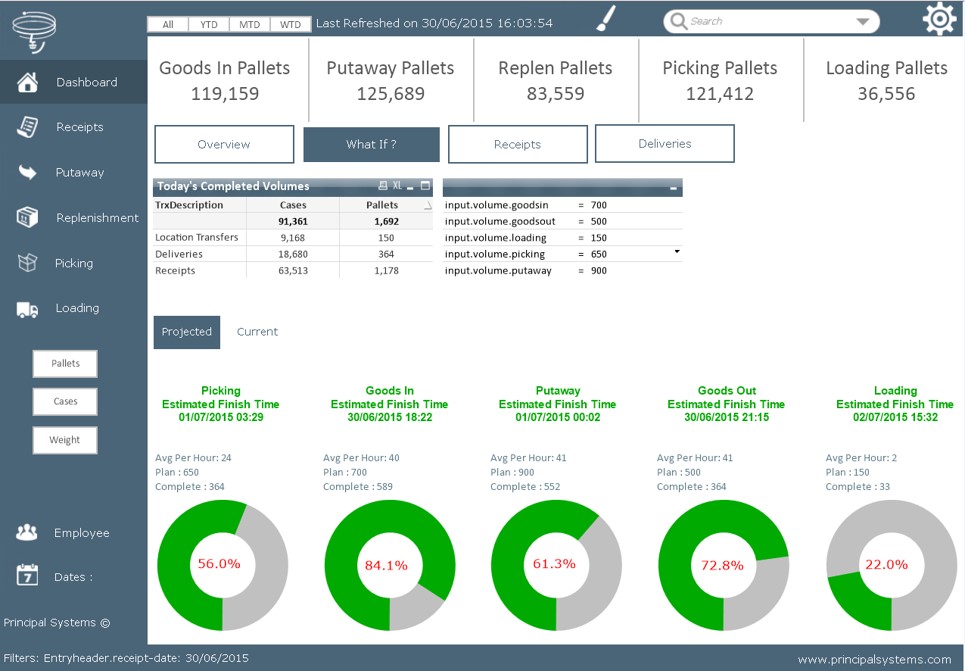
At its core, 3pl logistics software integrates various functions such as inventory management, order processing, and transportation coordination into a single platform. By leveraging this software, businesses can streamline their logistics processes, enhance visibility in their supply chain, and ultimately improve customer satisfaction. This introduction sets the stage for a deeper dive into the world of logistics management and the transformative impact of technology.
In today’s fast-paced world, the importance of effective communication cannot be overstated. Whether in personal relationships, at the workplace, or in casual interactions, the ability to convey thoughts clearly and persuasively is a skill that everyone should strive to master. This article aims to explore various dimensions of communication, including its significance, types, barriers, and how to enhance one’s communication skills.To begin with, what exactly is communication?

At its core, communication is the process of exchanging information, thoughts, or feelings between individuals or groups. This exchange can occur through verbal, non-verbal, or written means. The effectiveness of communication can influence relationships, productivity, and overall satisfaction in life. Thus, understanding its significance is crucial.Effective communication holds several benefits. Firstly, it fosters better relationships.
When individuals can articulate their thoughts and feelings openly, it encourages understanding and trust among all parties involved. This is particularly vital in personal relationships where miscommunication can lead to misunderstandings and conflict. Secondly, effective communication is essential in the workplace. Organizations thrive when employees communicate effectively with one another, leading to better collaboration and teamwork. A workplace characterized by open communication is generally more productive and innovative, as ideas can flow freely without fear of dismissal.There are various types of communication, each serving distinct purposes.
Verbal communication encompasses spoken or written words, and it is one of the most common forms. It includes face-to-face conversations, phone calls, meetings, and emails. Non-verbal communication, on the other hand, involves body language, facial expressions, gestures, and even tones of voice. These non-verbal cues can often convey more meaning than words themselves. Lastly, visual communication utilizes images, graphs, and charts to transmit information, making complex ideas easier to understand.Despite its importance, numerous barriers can hinder effective communication.
One major barrier is physical distractions. In a noisy environment, for instance, individuals may struggle to concentrate on conversations or presentations. Additionally, psychological barriers, such as stress or emotional turmoil, can impede one’s ability to communicate effectively. Different cultural backgrounds can also pose challenges; misunderstandings may arise when people from diverse cultures interpret messages differently or use varying forms of non-verbal communication.To enhance communication skills, individuals can adopt several strategies.
Active listening is fundamental; it involves fully concentrating on the speaker, understanding their message, responding thoughtfully, and remembering what was said. This skill not only improves understanding but also shows respect and appreciation for the speaker’s perspective. Practicing empathy is another crucial strategy. By putting oneself in someone else’s shoes, individuals can better understand their feelings and viewpoints, which leads to more meaningful conversations.Moreover, clarity and conciseness are essential components of effective communication.
It is vital to express one’s thoughts clearly and directly to avoid misunderstandings. Using simple language and avoiding jargon can make messages easier to comprehend. Additionally, being aware of one’s body language and non-verbal cues is crucial. Maintaining eye contact, using appropriate gestures, and ensuring a friendly tone can enhance the delivery of the message.Feedback plays a significant role in communication as well.
It allows individuals to gauge how well their message was received and provides an opportunity for clarification if needed. Constructive feedback can lead to improved communication skills over time, as individuals learn from their interactions and adjust accordingly.In conclusion, effective communication is an essential skill that significantly impacts various aspects of life. By understanding its importance, types, and barriers, individuals can take proactive steps to enhance their communication skills.
Practicing active listening, empathy, clarity, and being mindful of non-verbal cues are all strategies that can lead to more effective and rewarding interactions. In a world that thrives on connection, mastering the art of communication is undoubtedly a valuable pursuit.