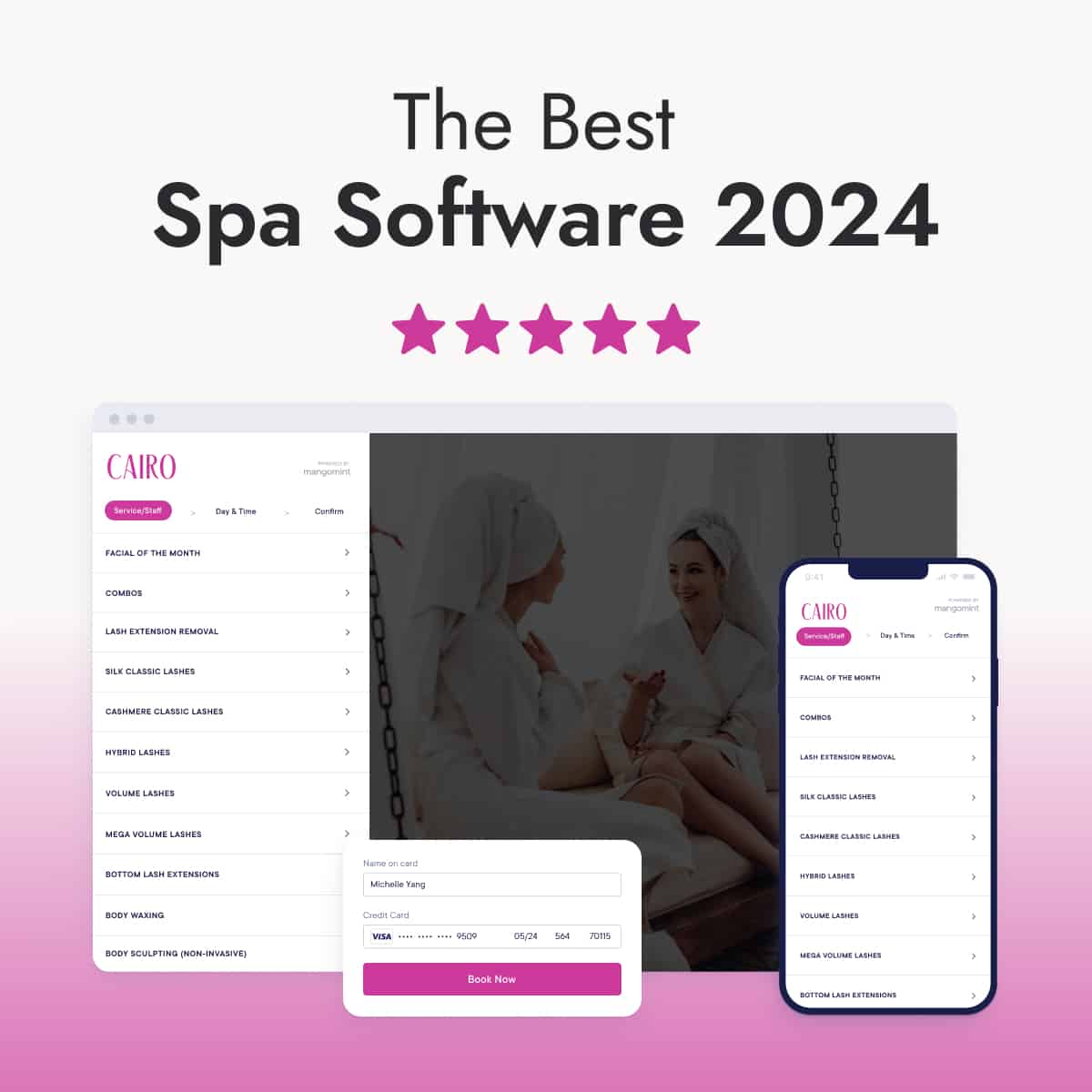
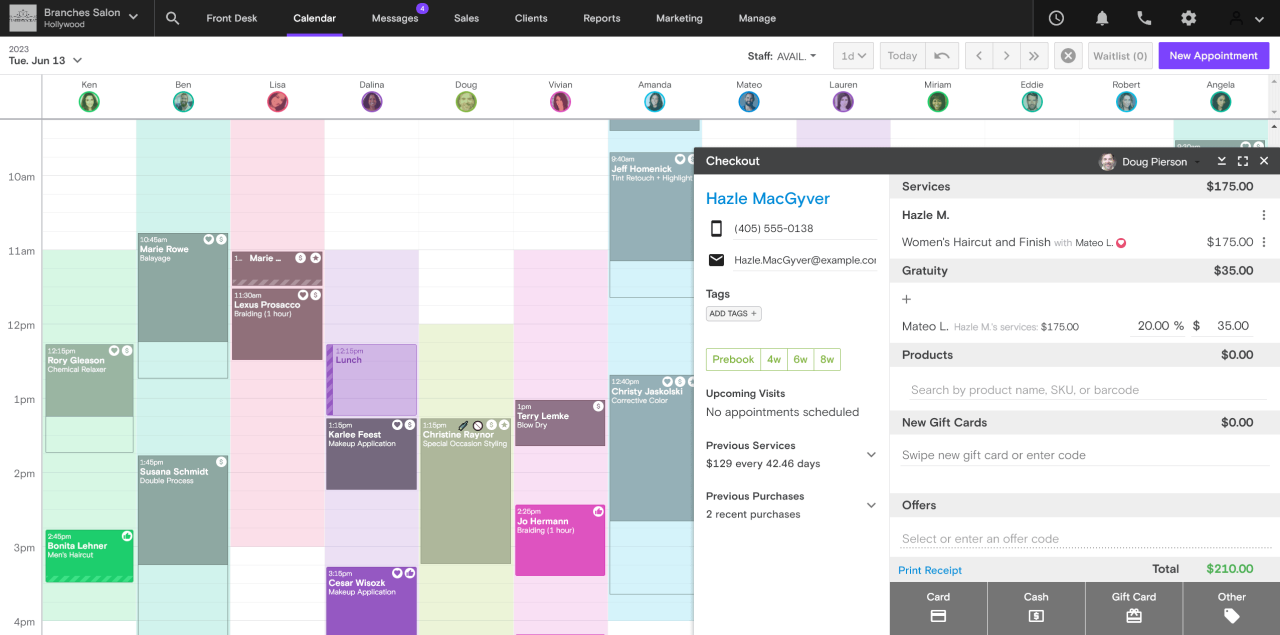
spa software for small business sets the stage for this enthralling narrative, offering readers a glimpse into a story that is rich in detail and brimming with originality from the outset. In today’s fast-paced world, small businesses in the spa industry are increasingly recognizing the importance of efficient management systems. Spa software not only streamlines operations but also enhances customer experience, making it an essential tool for growth and success.
This software encompasses various features, including appointment scheduling, inventory management, and customer relationship management, all tailored to meet the unique needs of small business owners. By leveraging technology, spas can optimize their services, foster client loyalty, and ultimately drive profitability.
In today’s fast-paced world, the way we consume information has evolved significantly. As we navigate through the digital landscape, the importance of effective communication cannot be overstated. From social media platforms to professional emails, the ability to convey messages clearly and concisely is crucial. This article delves into the art of communication, focusing on its various forms, the significance of tone and style, and tips for enhancing your communication skills.First and foremost, let’s explore the different forms of communication.
Communication can be broadly categorized into verbal and non-verbal forms. Verbal communication includes spoken and written words, while non-verbal communication encompasses body language, facial expressions, and gestures. Both forms work in tandem to enrich the message being conveyed, and understanding their nuances can significantly impact how your message is received.Verbal communication, whether spoken or written, is perhaps the most direct method of sharing ideas.
In a professional context, emails, reports, and presentations are common forms of written communication. Each of these formats has its own conventions and expectations. For instance, an email to a colleague might be more casual than a formal report intended for management. Knowing your audience and adjusting your tone accordingly is critical. For instance, in a casual email to a coworker, using a friendly tone filled with informal language can help create a sense of camaraderie.
Phrases like “Hey, how’s it going?” or “Just wanted to check in” can make the conversation feel light and approachable. However, when communicating with higher management, opting for a more formal tone is essential. Starting with “Dear [Name]” and using complete sentences can set a professional tone that reflects respect and seriousness.On the other hand, non-verbal communication plays a pivotal role in how messages are interpreted.
Research shows that a significant portion of our communication is non-verbal, highlighting the importance of body language. For example, maintaining eye contact can convey confidence and engagement, while crossed arms might suggest defensiveness. Being aware of your body language and how it complements or contradicts your verbal messages can enhance your overall communication effectiveness.Now that we understand the forms of communication, let’s discuss the significance of tone and style.

Tone refers to the emotion behind your words, while style encompasses the overall approach you take in your communication. Together, they shape how your message is perceived. For instance, if you’re delivering feedback, the tone you choose can greatly influence how it’s received. A constructive tone that focuses on improvement, such as “I noticed a few areas where we can enhance our approach,” can foster a positive atmosphere.
In contrast, a harsh or critical tone can lead to defensiveness and conflict. Striking the right balance between being honest and diplomatic is key.Additionally, your writing style can reflect your personality and professionalism. A clear and concise style is generally preferred in professional communication. Utilizing bullet points, short paragraphs, and straightforward language can make your message more digestible. Avoid jargon unless you’re certain your audience understands it, as this can alienate or confuse readers.As we navigate through various communication channels, it’s essential to adapt our style to suit the platform.
For instance, social media posts tend to favor brevity and humor, while formal reports require a more structured approach. Understanding the context and expectations of each platform can help you tailor your message effectively.Moreover, the rise of digital communication has introduced new challenges. The absence of non-verbal cues in emails and text messages can lead to misunderstandings. A simple message may be interpreted in multiple ways based on the reader’s mood or experiences.
To mitigate this, consider using emojis or exclamation points to convey enthusiasm or friendliness in informal settings. Alternatively, in professional communication, clarity and structure are paramount. Using headings, bullet points, and clear subject lines can enhance readability and comprehension.Effective communication also involves active listening—a crucial yet often overlooked component. When engaging in a conversation, whether in person or through digital means, being present and attentive can significantly improve the exchange.
Acknowledging the speaker through nods or verbal affirmations such as “I see” or “That makes sense” can encourage openness and trust. In professional environments, fostering a culture of open communication is vital. Encouraging team members to share their perspectives and ideas can lead to enhanced collaboration and innovation. Creating a safe space where individuals feel valued and heard can bolster morale and productivity.
To improve your communication skills, consider implementing the following tips:
1. Practice Active Listening
Focus on what the speaker is saying. Avoid interrupting and ask clarifying questions to ensure understanding.
2. Be Clear and Concise
Aim for simplicity in your messaging. Avoid unnecessary jargon and get to the point quickly.
3. Adapt Your Tone and Style
Tailor your communication to suit your audience and the context. Balance professionalism with approachability.
4. Seek Feedback
Ask for input on your communication style. Constructive criticism can provide valuable insights for improvement.
5. Reflect on Non-Verbal Cues
Be aware of your body language and how it may affect your message. Likewise, pay attention to others’ non-verbal signals.
6. Practice Regularly
Like any skill, communication improves with practice. Engage in conversations, write regularly, and seek opportunities to present your ideas.In conclusion, effective communication is a fundamental skill that can enhance both personal and professional relationships. By understanding the various forms of communication, recognizing the importance of tone and style, and practicing active listening, individuals can convey their messages more effectively.
The digital age presents unique challenges, but with awareness and adaptability, we can navigate these complexities to forge stronger connections. Whether through emails, presentations, or casual conversations, the ability to communicate effectively is a valuable asset in today’s world.