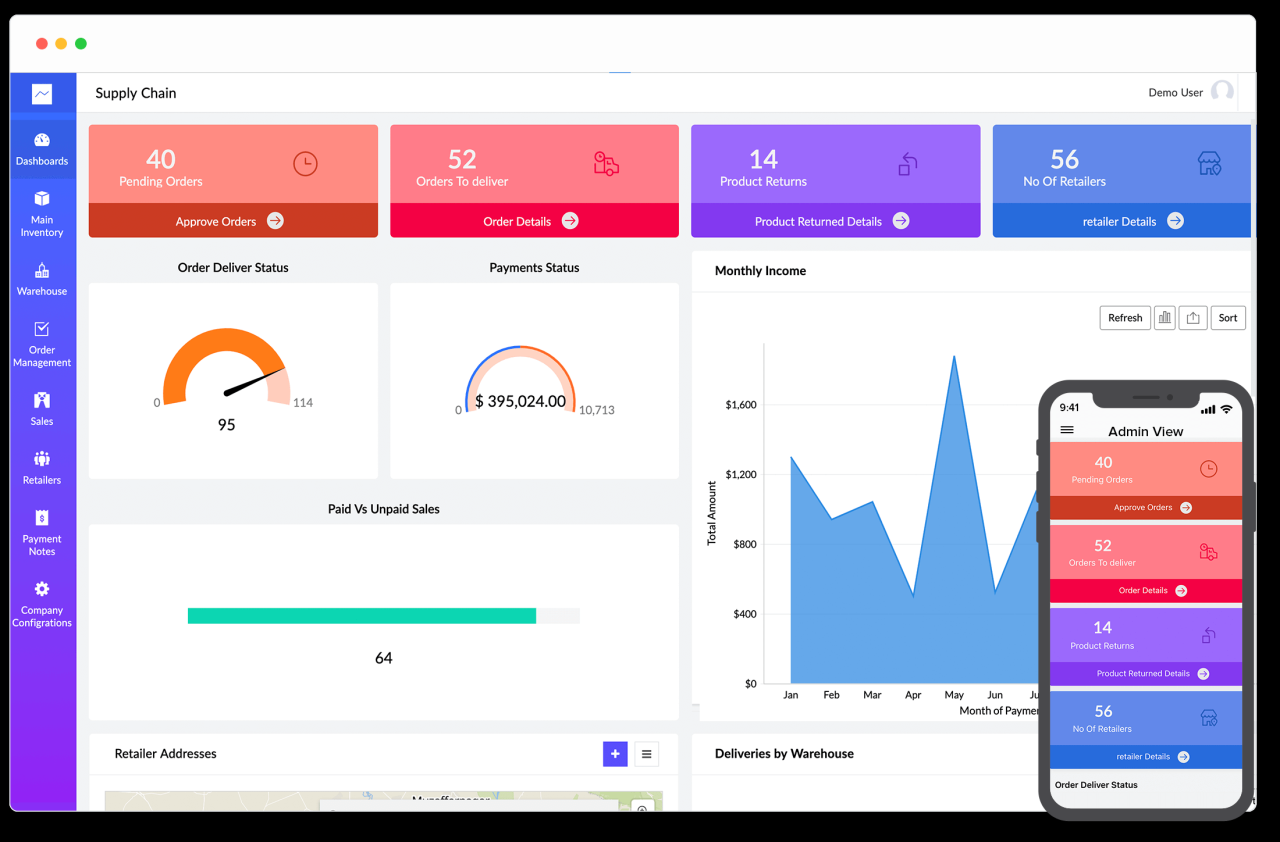
Beginning with supply chain automation software, the narrative unfolds in a compelling and distinctive manner, drawing readers into a story that promises to be both engaging and uniquely memorable. This software revolutionizes the logistics industry by enhancing efficiency, reducing costs, and improving overall supply chain visibility. As businesses strive for greater operational effectiveness, the integration of automation tools becomes imperative to navigate the complexities of modern supply chains.
Automation software not only simplifies routine tasks but also enables companies to respond rapidly to market changes and customer demands. By leveraging advanced analytics and real-time data, organizations can make informed decisions that propel their supply chains forward. The importance of adopting such technologies cannot be overstated, as they serve as the backbone of successful logistics strategies in today’s fast-paced business environment.
In today’s fast-paced world, technology has become an integral part of our daily lives. From the moment we wake up to the time we go to bed, we are surrounded by gadgets and devices that not only facilitate communication but also enhance our productivity and leisure activities. This article explores the various facets of technology, its impact on society, and the future trends that may shape our connection with the digital realm.To begin with, let’s consider the definition of technology.
At its core, technology refers to the application of scientific knowledge for practical purposes. It encompasses a vast array of tools, systems, and methods that help solve problems, enhance efficiency, or improve our quality of life. The evolution of technology has been rapid, particularly in the last few decades, where we have transitioned from bulky computers to sleek smartphones that fit in our pockets.One of the most significant changes brought about by technology is the way we communicate.
Gone are the days when we relied solely on letters and landlines to stay in touch with one another. Today, we have an array of communication platforms at our disposal. Social media, instant messaging, and video conferencing have transformed the way we interact, allowing us to connect with friends and family across the globe in real time. This instantaneous communication fosters a sense of closeness and community, even when geographical distances are vast.Moreover, technology has revolutionized the workplace.
Remote work has become increasingly popular, particularly in the wake of the COVID-19 pandemic. Many companies have adopted flexible work policies that allow employees to work from home, leveraging technology to maintain productivity and collaboration. Tools like Zoom, Slack, and Trello have emerged as essential resources for managing projects and facilitating communication among teams. This shift toward remote work not only enhances work-life balance but also opens up opportunities for individuals in different parts of the world to collaborate on projects without being confined to a specific location.In addition to communication and work, technology plays a vital role in education.
Online learning platforms and educational apps provide access to information and resources that were once limited to physical classrooms. Students can now engage with interactive content, participate in virtual classrooms, and learn at their own pace. This democratization of education breaks down barriers, enabling individuals from diverse backgrounds to pursue knowledge and skills that align with their interests and career goals.However, while technology offers numerous benefits, it also raises concerns regarding privacy and security.
With the increasing amount of personal data shared online, individuals are often vulnerable to cyber threats and data breaches. The rise of social media has led to discussions about the impact of digital footprints, as the information we share can have lasting consequences on our personal and professional lives. It is essential for users to be aware of their online presence and to take proactive steps to protect their information.As we look to the future, several technology trends are poised to reshape our society further.
Artificial intelligence (AI) and machine learning are at the forefront of this transformation. These technologies have the potential to enhance decision-making processes, improve customer service, and streamline operations across various industries. From chatbots that assist with customer inquiries to algorithms that predict consumer behavior, AI is becoming an integral part of our lives.Another trend to watch is the Internet of Things (IoT), which refers to the interconnectedness of devices and systems.
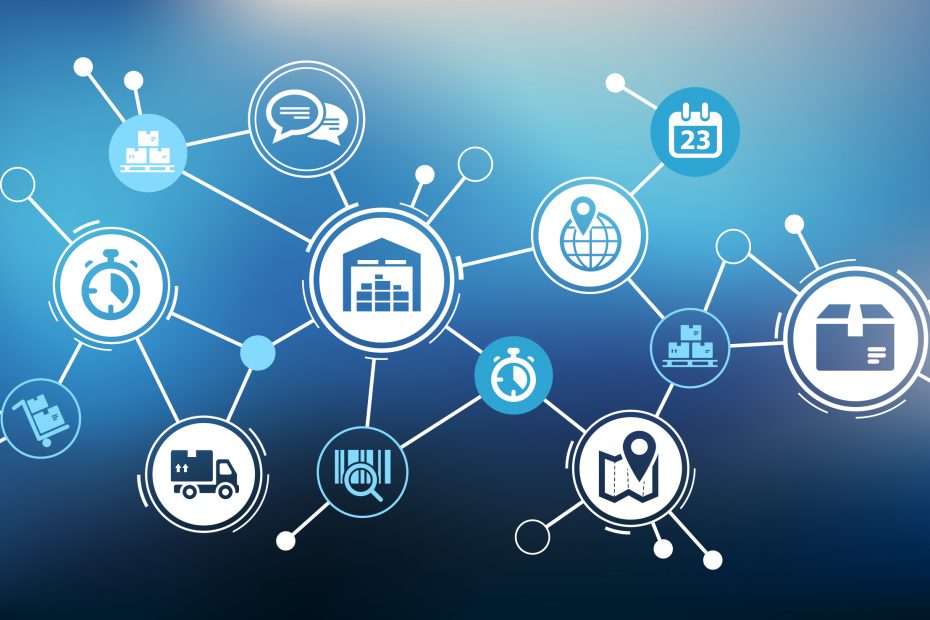
Smart homes equipped with IoT devices allow users to control appliances, heating, and security systems remotely, enhancing convenience and efficiency. As more devices become connected, the potential for innovations in areas such as healthcare, transportation, and urban planning becomes increasingly apparent.Furthermore, sustainability is becoming a crucial consideration in technology development. As climate change continues to pose significant challenges, there is a growing push for eco-friendly technology solutions.

From renewable energy sources to sustainable manufacturing practices, technology has the potential to drive positive change and contribute to a more sustainable future.In conclusion, technology has profoundly impacted our lives, influencing the way we communicate, work, and learn. While it brings numerous benefits, it also presents challenges that require our attention and caution. As we navigate this ever-evolving digital landscape, it is essential to embrace innovation while remaining mindful of the implications it may have on our privacy, security, and the environment.
The future of technology holds great promise, and by harnessing its potential responsibly, we can create a world that is more connected, informed, and sustainable.