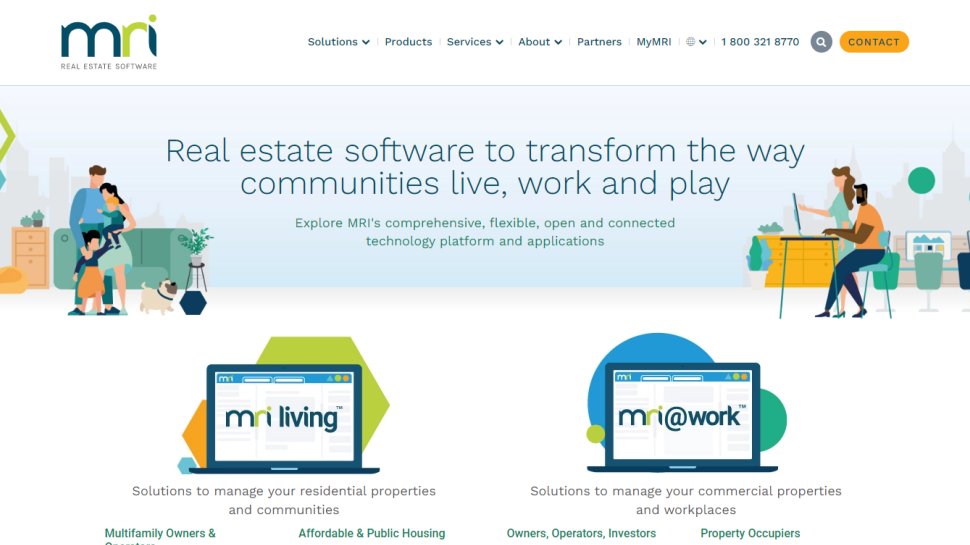
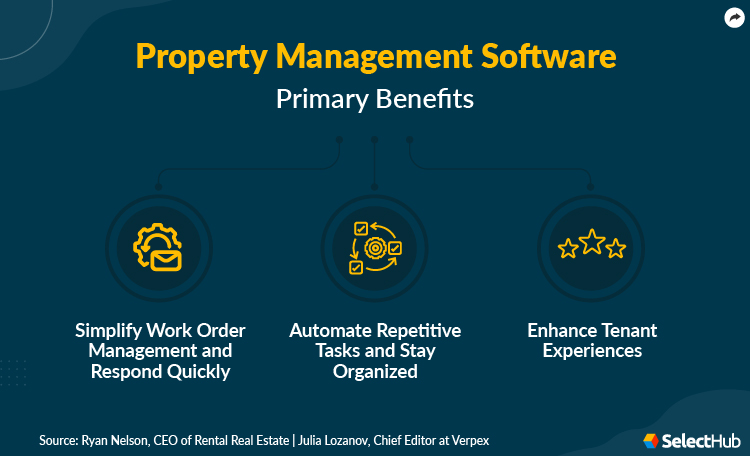
Best property management software is essential for landlords and property managers seeking to streamline their operations and enhance tenant satisfaction. In a world where managing multiple properties can be overwhelming, these tools provide a robust solution, allowing users to handle everything from tenant communications to maintenance scheduling with ease.
By leveraging technology, property management software simplifies complex processes, making it easier for professionals to focus on growth and efficiency. With various options available, understanding the core features and benefits can help in selecting the right software to boost productivity and ensure a hassle-free management experience.
In an age where technology pervades almost every aspect of our daily lives, digital literacy has become an essential skill. It extends beyond knowing how to use a computer or navigate the internet; it encompasses the ability to critically evaluate information, communicate effectively, and utilize digital tools to enhance productivity. As we delve deeper into this topic, we’ll explore why digital literacy is vital in today’s society, the components that make it up, and how individuals can improve their own digital skills.
Understanding Digital Literacy
Digital literacy refers to a person’s ability to find, evaluate, utilize, and create information using digital technology. This skill set is crucial, as it empowers individuals to engage with technology in meaningful ways. With the explosion of information available online, being digitally literate means having the capability to discern credible sources from unreliable ones, critically assess the content consumed, and use this information responsibly.
The Components of Digital Literacy
Digital literacy can be broken down into several key components:
- Information Literacy: The ability to recognize when information is needed and to locate, evaluate, and use effectively the needed information.
- Media Literacy: The capacity to access, analyze, evaluate, and create media in various forms, understanding how media influences perceptions and behaviors.
- Communication Skills: The skills necessary to communicate effectively through various digital platforms, including social media, email, and collaborative tools.
- Technical Skills: Knowledge of how to use various software applications, platforms, and devices to perform tasks efficiently.
- Ethical and Responsible Use: Understanding the implications of digital footprints, privacy, and the importance of ethical behavior online.
Why Digital Literacy Matters
In our increasingly digital world, the ability to navigate online spaces effectively is crucial for several reasons:
1. Enhanced Employment Opportunities
Employers today are looking for candidates who possess strong digital skills. Whether it’s basic proficiency in Microsoft Office or the ability to use specialized software, being digitally literate can significantly enhance job prospects. Furthermore, many jobs require continuous learning of new technologies and tools, making adaptability and a willingness to learn essential traits.
2. Active Participation in Society
A digitally literate individual can engage more actively in civic life. They can access information about local and global issues, participate in discussions on social media, and contribute to online communities. This active participation fosters a more informed and engaged citizenry, which is vital for a healthy democracy.
3. Improved Communication
Digital literacy enhances communication skills through various platforms. Understanding how to craft messages tailored to different audiences on social media, for instance, can improve personal and professional relationships. Additionally, it fosters collaboration through tools like Google Docs or Slack, making teamwork more efficient and effective.
4. Access to Information
With a vast array of information available online, being digitally literate allows individuals to find and access the resources they need. This can be particularly important for students conducting research or adults looking to further their education. The ability to sift through vast amounts of information and find credible sources is crucial in this information age.
How to Improve Digital Literacy Skills
Improving digital literacy is a continuous process that can be achieved through various means:
1. Online Courses
Many platforms offer free or low-cost courses on digital literacy skills. Websites like Coursera, edX, and Khan Academy provide resources that can help individuals build their skills at their own pace. Topics range from basic computer skills to more advanced data analysis techniques.
2. Practice
The best way to develop digital skills is through practice. Engaging with different technologies, experimenting with new software, or even starting a blog can significantly enhance one’s capabilities. Regularly challenging oneself to learn new tools or platforms can foster a more profound understanding of the digital landscape.
3. Stay Informed
The digital world is always evolving, and staying updated on the latest trends and technologies is crucial. Following tech blogs, subscribing to newsletters, or joining online communities can help individuals remain aware of new developments and learn from others’ experiences.

4. Seek Help
There’s no shame in asking for help. Many community centers, libraries, and schools offer workshops aimed at improving digital literacy. Seeking assistance from friends or colleagues who are tech-savvy can also be beneficial.
Conclusion
In conclusion, digital literacy is an indispensable skill in our modern world. It not only enhances employability but also enables individuals to participate more actively in society, communicate effectively, and access valuable information. By understanding its components and taking proactive steps to improve one’s skills, anyone can become more digitally literate. As we move forward into an even more digital future, embracing these skills will be crucial for navigating the complexities of the modern world.