Kicking off with insurance home and auto, this topic is essential for anyone looking to protect their most valuable assets. Whether you’re a seasoned homeowner or a first-time buyer, understanding the benefits and necessities of home and auto insurance can save you from potential financial pitfalls. This overview will delve into the importance of safeguarding your property and vehicles, giving you the knowledge you need to make informed decisions.
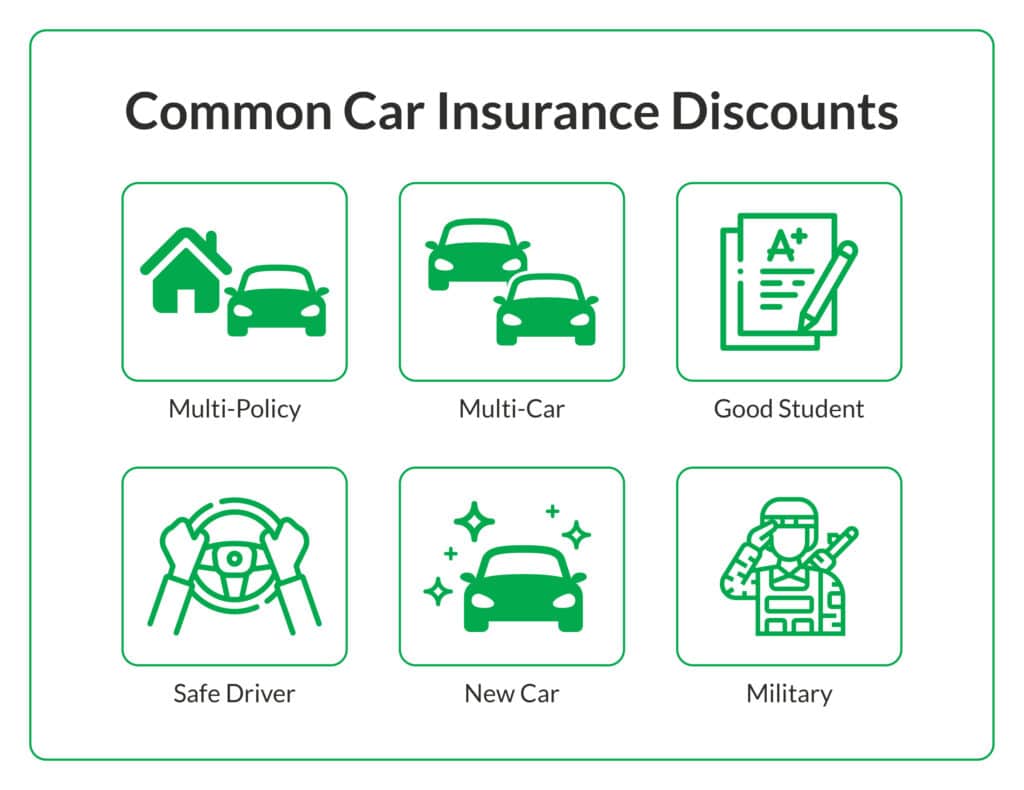
Insurance home and auto provides a comprehensive safety net against unforeseen events, combining the protection of your dwelling with that of your vehicle. Each type of insurance offers unique benefits, from covering property damage and liability to ensuring peace of mind while you’re on the road. By exploring the ins and outs of these insurance options, you’ll be better equipped to navigate the complexities of policies and claims.

In today’s fast-paced and ever-evolving digital landscape, content creation plays a crucial role in how brands communicate with their audiences. The ability to produce engaging, informative, and high-quality content can significantly influence a company’s presence in the market. In this article, we will explore the importance of content creation, the different types of content, the process of developing a content strategy, and tips for optimizing content for maximum reach and impact.
Content creation is not just about putting words on a page; it’s about crafting messages that resonate with your audience. Whether it’s a blog post, a social media update, or a video, the content must be tailored to meet the interests and needs of your target demographic. This entails understanding who your audience is, what they want, and how best to deliver that information.
One of the first steps in content creation is identifying the different types of content you can produce. Written content remains a staple, with blogs and articles being some of the most common formats. These allow for in-depth exploration of topics, providing value through information and insights. Additionally, visual content such as infographics can simplify complex information and make it more digestible. Videos are also gaining popularity due to their ability to convey messages quickly and engagingly.
Next, let’s discuss the importance of a content strategy. A well-formulated content strategy serves as a roadmap for your content creation efforts. It Artikels your goals, target audience, content types, and the distribution channels you will utilize. By having a clear strategy in place, you can ensure that your content aligns with your overall business objectives and effectively engages your audience.
When developing a content strategy, consider the following key steps:
1. Define Your Goals: What do you want to achieve through your content? Whether it’s increasing brand awareness, generating leads, or driving traffic to your website, having clear, measurable goals will guide your efforts.
2. Know Your Audience: Conduct research to understand who your audience is. Create buyer personas to represent your ideal customers, detailing their demographics, interests, and pain points. This information will help you create more targeted and relevant content.
3. Choose Your Content Types: Based on your audience’s preferences and your goals, decide on the types of content you’ll create. A mix of written, visual, and audio content can cater to different learning styles and preferences.
4. Establish a Content Calendar: A content calendar can help you organize your content ideas, plan your publishing schedule, and ensure consistency in your messaging. It allows you to map out key dates, such as product launches or seasonal events, and tailor content around these moments.
5. Distribute Your Content: Once your content is created, think about how you’ll share it. Different channels may suit different types of content. For instance, blog posts might be best suited for your website, while videos may perform better on social media platforms.
6. Measure and Analyze: Finally, regularly track the performance of your content to understand what’s working and what isn’t. Use analytics tools to monitor engagement metrics, such as views, shares, and comments. This data can provide insights for future content creation.
Optimizing your content for search engines is essential for increasing visibility and driving traffic to your site. Search Engine Optimization () involves using s strategically, optimizing meta tags, and ensuring your content is relevant and valuable to your audience.
Here are a few tips to help you optimize your content effectively:
– Research: Identify s that are relevant to your content and frequently searched by your audience. Use tools like Google Planner or SEMrush to find appropriate s.
– On-Page : Incorporate your targeted s naturally into your content, including in headings, subheadings, and throughout the text. Additionally, optimize images with appropriate alt tags and descriptions.
– Internal and External Links: Include links to other relevant content on your site (internal links) and credible external sources. This not only adds value to your readers but also helps search engines understand the context of your content.
– Mobile-Friendly Format: With an increasing number of users accessing content via mobile devices, ensure that your content is easily readable on smaller screens. Use responsive design and concise formatting to enhance user experience.
– Engaging Titles and Meta Descriptions: Craft compelling titles and meta descriptions that encourage users to click through to your content. These elements should accurately reflect the content while enticing readers.
In conclusion, content creation is a vital component of any successful marketing strategy. By understanding the importance of content, developing a robust content strategy, and optimizing your content for search engines, you can effectively engage your audience and achieve your business goals. Remember, the key to outstanding content is not just about what you say but how you say it. Strive to create content that adds value, addresses your audience’s needs, and builds lasting relationships. Happy writing!