Exploring Popular sustainable clothing brands for conscious consumers? opens up a vibrant world where fashion meets responsibility, allowing individuals to express their style while making a positive impact on the planet. As environmental awareness grows, more brands are stepping up to offer eco-friendly alternatives that cater to the style and values of conscientious shoppers.
This journey not only highlights the importance of sustainability in the fashion industry but also showcases how these brands are redefining trends through ethical practices, innovative materials, and a commitment to social responsibility.
In our increasingly demanding society, the concept of work-life balance has become more vital than ever. Many individuals find themselves juggling multiple responsibilities, including their jobs, family obligations, social commitments, and personal interests. The pursuit of a fulfilling professional life often leads to the neglect of personal well-being, which can result in stress, burnout, and overall dissatisfaction. Therefore, understanding the importance of work-life balance is crucial for maintaining a healthy, happy, and productive lifestyle.
Understanding Work-Life Balance
Work-life balance refers to the equilibrium between the time and energy devoted to work and that spent on other areas of life. It is about prioritizing one’s personal life alongside professional commitments, ensuring neither aspect is sacrificed at the expense of the other. This balance can significantly impact both mental and physical health, leading to higher job satisfaction and improved relationships outside of work.
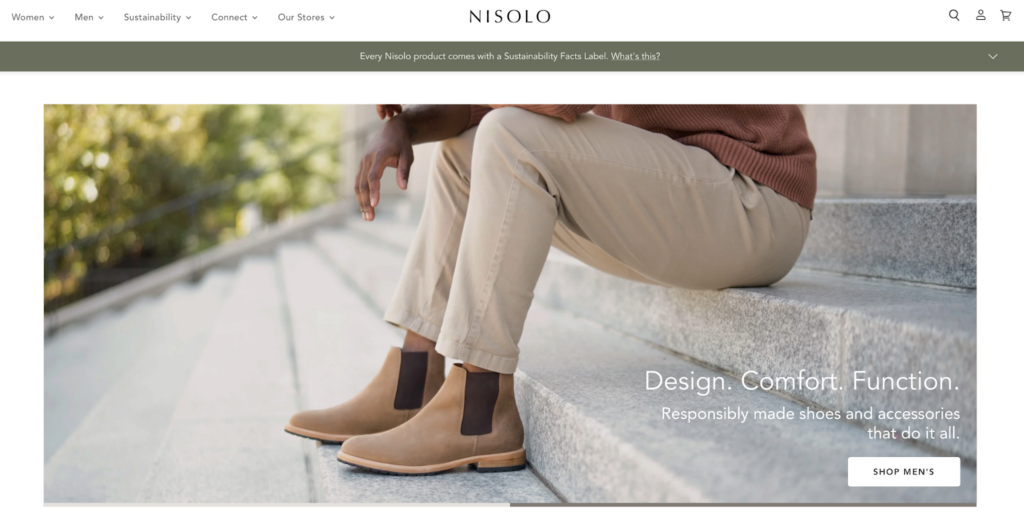
Achieving this balance is not merely about managing time; it’s about creating a lifestyle that allows for personal fulfillment and professional achievement.
Benefits of Work-Life Balance
Emphasizing work-life balance brings numerous benefits, not only for individuals but also for organizations. Here are some key advantages:
- Improved Mental Health: Maintaining a healthy work-life balance reduces stress levels and prevents burnout, leading to better mental health and emotional well-being.
- Increased Productivity: Employees who feel balanced tend to be more productive and focused during work hours, resulting in higher quality output.
- Stronger Relationships: A balanced approach allows individuals to invest time in their relationships, fostering deeper connections with family and friends.
- Enhanced Job Satisfaction: Employees who maintain a work-life balance are generally more satisfied with their jobs and are less likely to seek employment elsewhere.
- Greater Creativity: Time away from work can inspire creativity and innovation, benefiting both the individual and the organization.
Challenges to Achieving Work-Life Balance
Despite its evident benefits, achieving work-life balance can be challenging. Some common obstacles include:
- Work Demands: High workloads and deadlines can make it difficult to find time for personal interests.
- Technology: The rise of remote work and constant connectivity can blur the lines between personal and professional life.
- Societal Expectations: Cultural norms often glorify overworking, leading individuals to feel guilty for taking breaks or prioritizing personal time.
- Self-Imposed Pressure: Many people set unrealistic expectations for themselves, believing they must excel in every aspect of life.
Strategies for Achieving Work-Life Balance
While the challenges are real, several strategies can help individuals achieve a better work-life balance:
- Set Clear Boundaries: Establishing boundaries between work and personal time is essential. Designate specific hours for work and stick to them to avoid encroaching on personal time.
- Prioritize Tasks: Utilize task management tools to prioritize responsibilities. Focus on high-impact tasks while delegating or postponing less critical ones.
- Embrace Flexibility: If possible, explore flexible working arrangements, such as remote work or adjustable hours, to accommodate personal needs.
- Schedule Downtime: Make it a point to schedule breaks and downtime just as you would any important work meeting. These moments are crucial for recharging.
- Practice Self-Care: Engage in regular self-care practices, including exercise, meditation, hobbies, or spending time with loved ones. These activities can improve overall well-being.
The Role of Employers in Promoting Work-Life Balance
Organizations also play a significant role in fostering work-life balance for their employees. Companies can implement policies that support this balance, such as:
- Flexible Work Policies: Offering flexible hours or remote work options can help employees manage their responsibilities more effectively.
- Encouraging Time Off: Promoting the use of vacation days and personal time off can help employees recharge and return to work refreshed.
- Creating a Supportive Culture: Fostering a culture that values employee well-being can encourage individuals to prioritize their personal lives without fear of judgment.
- Providing Resources: Offering resources such as counseling services, wellness programs, and stress management workshops can help employees deal with workplace pressures.
Conclusion
In conclusion, achieving a work-life balance is essential in today’s fast-paced world. It leads to improved mental health, increased productivity, and stronger relationships. While challenges exist, employing practical strategies and fostering a supportive culture within organizations can help individuals find equilibrium. Ultimately, the pursuit of work-life balance is not just a personal endeavor but a collective responsibility that benefits everyone involved.
Top FAQs
What are sustainable clothing brands?

Sustainable clothing brands prioritize eco-friendly practices, using organic materials and ethical labor to reduce environmental impact.
Why should I buy from sustainable brands?
Supporting sustainable brands helps promote environmentally friendly practices and reduces waste in the fashion industry.
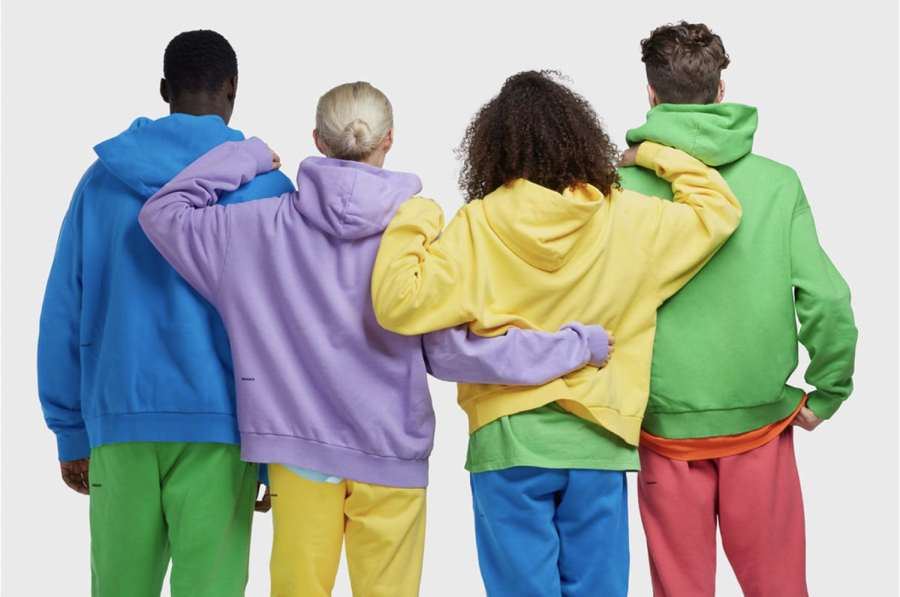
Are sustainable clothing brands more expensive?
While they can be pricier due to ethical sourcing, many sustainable brands offer a range of price points, making them accessible to various budgets.
How can I identify a sustainable clothing brand?
Look for certifications like GOTS or Fair Trade, transparency about sourcing, and a commitment to reducing environmental impact in their practices.
Can sustainable clothing be stylish?
Absolutely! Many sustainable brands focus on design and aesthetics, proving that eco-friendly options can also be trendy and fashionable.