With sce debit card payment at the forefront, managing your finances has never been simpler. This innovative payment solution blends security, ease of use, and accessibility, making it a popular choice for consumers today. Imagine seamlessly making purchases while enjoying the benefits of real-time tracking and budget management—all from the comfort of your own device.
Sce debit card payment not only simplifies transactions but also enhances your shopping experience. As we delve deeper into this topic, you’ll discover how this payment method can revolutionize the way you interact with your finances, offering a practical solution for everyday purchases and beyond.
In today’s fast-paced world, the significance of effective communication cannot be overstated. Whether in personal interactions or professional settings, the ability to convey thoughts clearly and concisely can make a significant difference. This article delves into the essential elements of communication, exploring various aspects such as verbal and non-verbal cues, the importance of active listening, and strategies for enhancing communication skills.To begin with, let’s define what communication is.
At its core, communication is the process of exchanging information, thoughts, or feelings between individuals or groups. This exchange can occur through various means, such as spoken or written words, gestures, body language, and even facial expressions. Understanding the multidimensional nature of communication is crucial as it highlights how our messages can be perceived in different ways depending on the context and medium used.Verbal communication is perhaps the most straightforward form of conveying messages.
It involves the use of spoken or written language, where clarity and coherence are paramount. When we speak, our choice of words, tone, and pace can significantly affect how our message is received. For instance, using jargon or overly complex vocabulary can alienate an audience. On the other hand, employing simple, clear language tends to foster understanding and engagement.Moreover, the tone of voice plays a pivotal role in verbal communication.
A friendly tone can make a message seem more approachable, while a harsh tone can create tension and misunderstanding. Similarly, pacing is equally important; speaking too quickly can lead to confusion, while speaking too slowly may cause the listener to lose interest. Therefore, being mindful of these verbal elements is vital in ensuring effective communication.However, verbal communication alone is often not enough.
Non-verbal cues—such as body language, facial expressions, and gestures—also play a critical role in how messages are interpreted. Research indicates that a significant portion of communication is non-verbal, suggesting that what we do can sometimes speak louder than words. For instance, maintaining eye contact can demonstrate confidence and engagement, while crossing arms might be perceived as defensiveness or disinterest.Understanding non-verbal communication can also help in interpreting the feelings and attitudes of others.
For example, a person who is smiling while speaking is likely conveying friendliness, whereas a furrowed brow might indicate concern or confusion. Being attuned to these signals allows for a deeper understanding of conversations and can help prevent miscommunications.In the realm of effective communication, active listening is another crucial component. It goes beyond merely hearing the words spoken; it involves fully engaging with the speaker, understanding their message, and responding thoughtfully.
Active listening fosters trust and respect between communicators, creating a more open and collaborative atmosphere. To practice active listening, one should focus on the speaker, avoid interrupting, and provide feedback that illustrates understanding, such as nodding or paraphrasing the key points.Another essential strategy to improve communication skills is to seek feedback from others. Feedback can provide valuable insights into how one’s communication is perceived, highlighting areas for improvement.

It can be beneficial to ask trusted friends, family members, or colleagues to provide constructive criticism regarding specific communication scenarios. This practice not only promotes self-awareness but also encourages continuous growth in one’s communication abilities.Moreover, adapting our communication style to our audience is vital. Different situations may call for different approaches. For example, formal communication may be more appropriate in a business setting, while an informal tone might be better suited for friendly conversations.
Understanding the context and adjusting accordingly can greatly enhance the effectiveness of our messages.In addition to these strategies, technology has transformed the landscape of communication. With the advent of social media, instant messaging, and video conferencing, we have more channels than ever to connect with others. However, these platforms also come with unique challenges. For instance, the lack of non-verbal cues in text-based communication can lead to misunderstandings.
Therefore, it is essential to be mindful of how messages may be interpreted in digital formats and consider using emojis or gifs to convey tone when appropriate.Cultural awareness is yet another key aspect of effective communication. In today’s globalized world, we often interact with individuals from diverse backgrounds. Different cultures may have distinct communication styles, norms, and etiquette. Being aware of these differences can prevent miscommunications and foster mutual respect.
For example, in some cultures, direct eye contact may be considered rude, while in others, it is a sign of confidence. Taking the time to learn about and appreciate cultural nuances can greatly enhance interpersonal communication.Furthermore, emotional intelligence plays a crucial role in effective communication. The ability to recognize, understand, and manage our emotions—and those of others—can significantly impact our interactions.
Individuals with high emotional intelligence are often better at navigating complex conversations, resolving conflicts, and fostering a positive environment. Developing emotional intelligence involves self-reflection, empathy, and a willingness to adapt one’s communication style to suit the emotional needs of others.In conclusion, the art of communication encompasses a wide array of skills and strategies. From mastering verbal and non-verbal cues to practicing active listening and cultural sensitivity, effective communication is a multifaceted endeavor.
As we continue to interact in various contexts, investing time and effort in honing these skills will undoubtedly lead to more meaningful and productive relationships, both personally and professionally. Remember, communication is not just about exchanging words; it’s about connecting, understanding, and building lasting relationships.
Popular Questions
What is an sce debit card payment?
Sce debit card payment refers to transactions made using an sce debit card, allowing users to pay directly from their bank accounts.
How secure is an sce debit card payment?
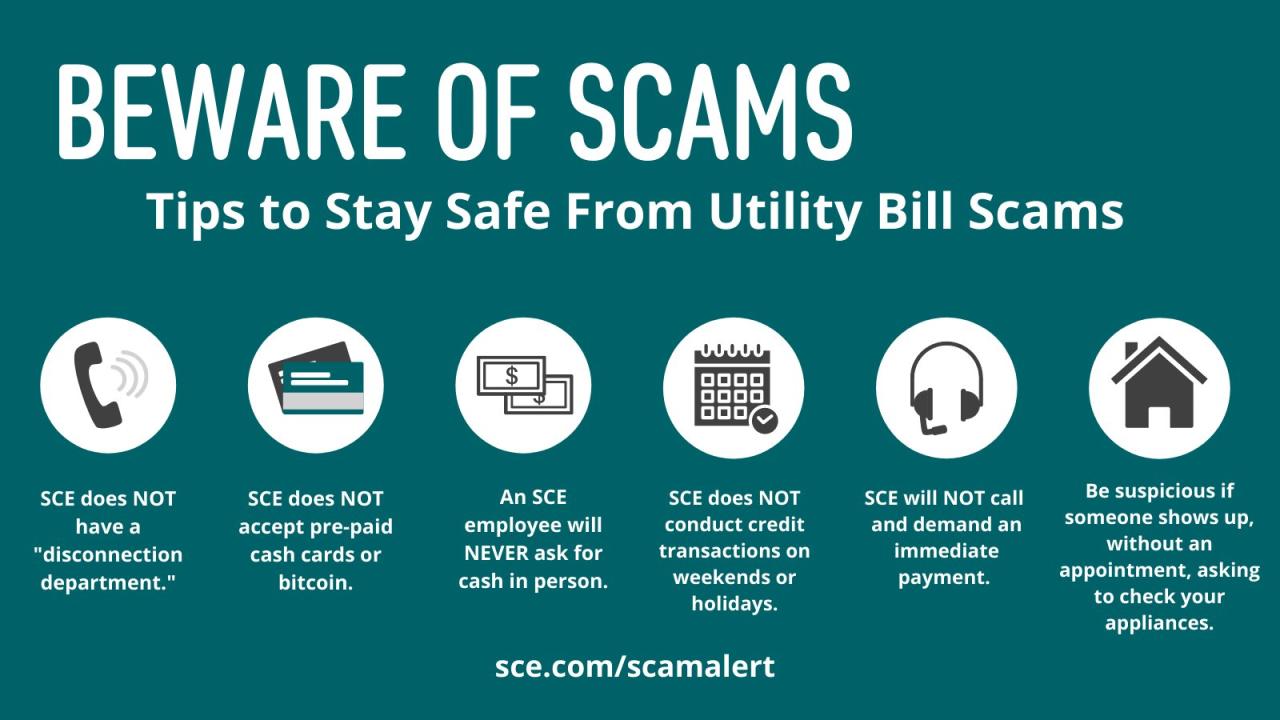
The sce debit card payment system employs encryption and fraud protection measures to ensure the security of transactions.
Can I use sce debit card payment for online purchases?
Yes, sce debit card payments are widely accepted for online transactions at various retailers and service providers.
Are there any fees associated with sce debit card payments?
While many transactions are fee-free, it’s advisable to check with your bank for any potential fees related to specific services.
Is it easy to track expenses with sce debit card payment?
Yes, sce debit card payments typically come with tracking features that allow users to monitor their spending easily.