Retail shop billing software is a game changer in the world of retail, streamlining transactions and enhancing customer experiences. With the rapid evolution of technology, these software solutions have become essential for shop owners aiming to improve efficiency and accuracy in their billing processes.
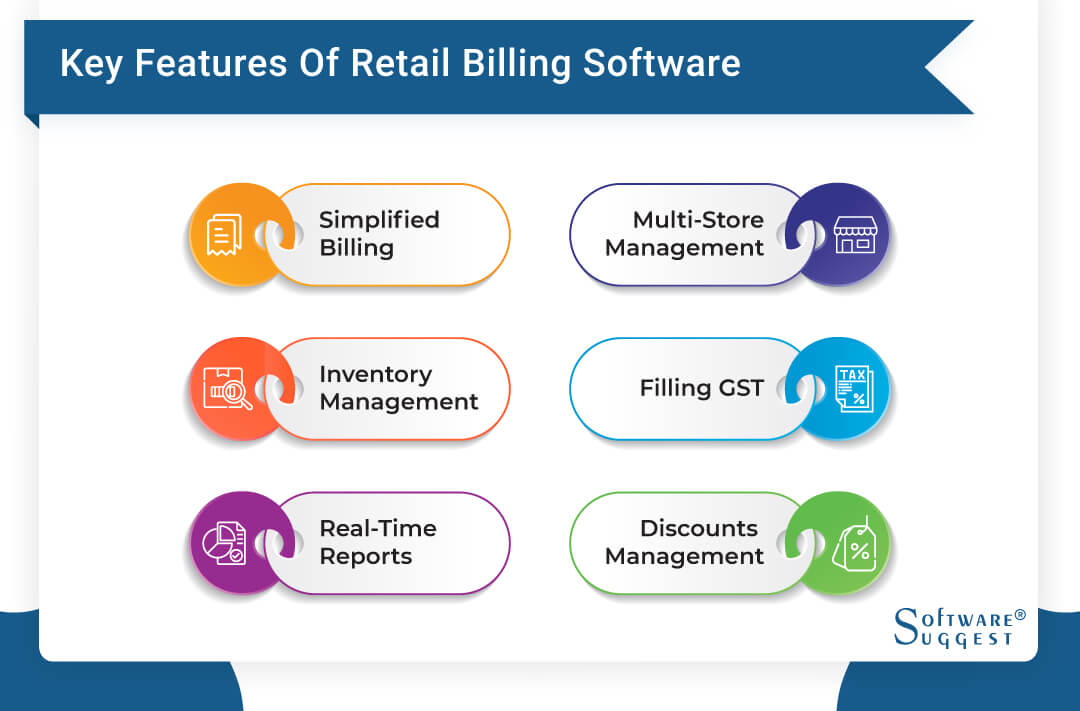
From simplifying payment methods to providing detailed sales reports, retail shop billing software not only saves time but also helps in managing inventory and tracking sales trends. These tools are designed to integrate seamlessly into everyday operations, ultimately leading to a more productive retail environment.
In today’s fast-paced world, where technology and digitalization reign supreme, the art of effective communication remains a timeless skill. Whether in a professional setting or casual interactions, the ability to convey thoughts clearly and persuasively can significantly influence personal and career growth. In this article, we will explore the dynamics of effective communication, the role it plays in our daily lives, and some practical tips to enhance your communication skills.Effective communication is not merely about exchanging information; it’s about understanding the emotion and intentions behind the information.
This means being mindful of both verbal and non-verbal cues. A simple statement can take on a myriad of meanings depending on the tone of voice, body language, and even facial expressions involved. Therefore, developing awareness of these elements is crucial for anyone looking to improve their communication skills.One of the most fundamental aspects of effective communication is active listening.
This technique involves fully concentrating on what is being said rather than just passively hearing the speaker’s words. To practice active listening, it is essential to engage with the speaker without interruption. This not only helps in understanding the message better but also shows respect for the speaker’s views. Additionally, responding with thoughtful questions or comments can demonstrate your engagement and interest, fostering a more meaningful interaction.Another critical element is the clarity of expression.
It’s essential to convey your message in a straightforward and organized manner. Avoiding jargon and overly complex language can prevent misunderstandings and keep your audience engaged. For instance, when explaining a complex concept, using analogies or simple examples can help clarify your points and make them more relatable. This is particularly important in professional settings, where clear communication can lead to better collaboration and productivity.Furthermore, being aware of your audience is key to effective communication.
Tailoring your message to fit the audience’s background, interests, and level of understanding can make a significant difference in how your message is received. For example, when addressing a group of industry experts, you might employ more technical language than when speaking to a general audience. Understanding your audience’s needs and perspectives can enhance your credibility and foster trust.In addition to clarity and audience awareness, emotional intelligence plays a vital role in effective communication.
This involves being aware of your emotions and those of others and using that awareness to guide your interactions. For instance, recognizing when someone is upset or frustrated allows you to adjust your approach accordingly, leading to more constructive dialogues. Cultivating emotional intelligence can improve your ability to navigate challenging conversations and build stronger relationships both personally and professionally.Moreover, non-verbal communication is equally important.
Body language, gestures, eye contact, and facial expressions can convey messages that words alone often cannot. Being mindful of your non-verbal cues can enhance your communication and help ensure that your message is aligned with how you present yourself. For example, maintaining open body language can signal receptiveness and confidence, while crossed arms may imply defensiveness or discomfort.In the digital age, communication has also evolved to encompass various platforms, including emails, messaging apps, and social media.
Adapting your communication style to fit these mediums is essential. For instance, written communication should be concise and clear, considering that digital interactions may lack the non-verbal cues present in face-to-face conversations. Using bullet points, headings, and concise paragraphs can help improve readability and ensure that your message is conveyed effectively.Furthermore, the tone of your written messages should reflect the context of your communication.
In professional emails, a polite and formal tone is often appropriate, while casual conversations with friends may allow for a more relaxed tone. Understanding the nuances of digital communication can help you connect with your audience and present yourself in the best light possible.Another avenue for improving communication skills is feedback. Seeking constructive criticism from others can provide valuable insights into your communication style and areas for improvement.
Whether in a professional or personal context, being open to feedback allows you to refine your skills and become a more effective communicator. Additionally, practicing self-reflection can help you identify patterns in your communication style and recognize areas where you may need to adapt or change.In conclusion, effective communication is a multifaceted skill that requires practice and mindfulness. By focusing on active listening, clarity of expression, audience awareness, emotional intelligence, and adapting to various communication platforms, you can enhance your ability to connect and engage with others.
Whether you aim to improve your professional relationships or deepen personal connections, investing time and effort into developing your communication skills will undoubtedly pay off in the long run. Remember, communication is not just about transmitting information; it’s about building relationships and fostering understanding in an increasingly interconnected world.
Popular Questions
What are the main features of retail shop billing software?
Key features typically include sales tracking, inventory management, multi-payment options, and customer relationship management.
Is retail shop billing software easy to use?
Most retail shop billing software is designed with user-friendly interfaces to ensure ease of use for staff and management.
Can retail shop billing software integrate with existing systems?
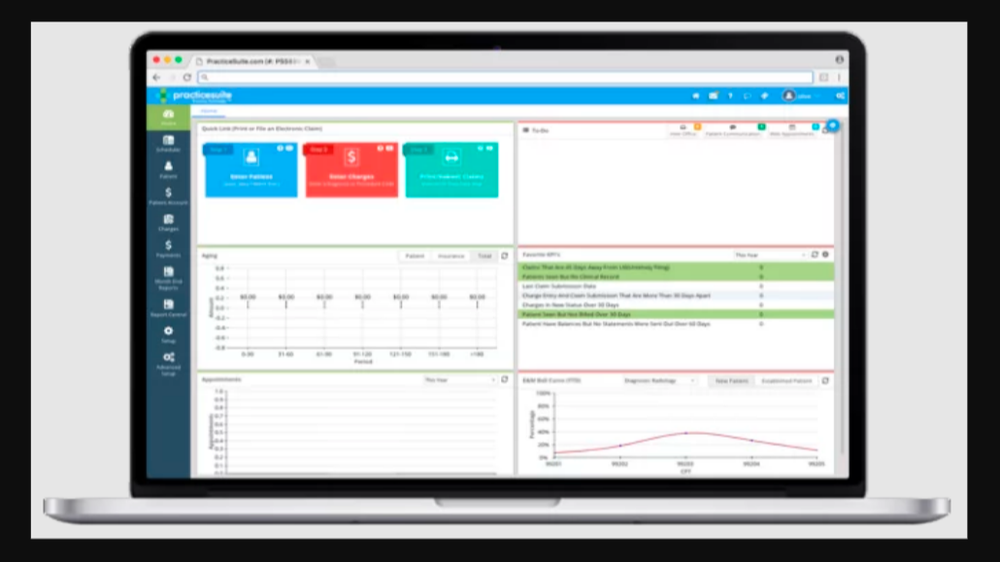
Yes, many solutions offer integration capabilities with existing accounting software and e-commerce platforms.
What kind of support is available for retail shop billing software?
Support options often include online resources, customer service hotlines, and training sessions for staff.
Is it necessary to have technical skills to operate retail shop billing software?
No, most retail shop billing software is designed for users without technical backgrounds, although basic computer skills are helpful.