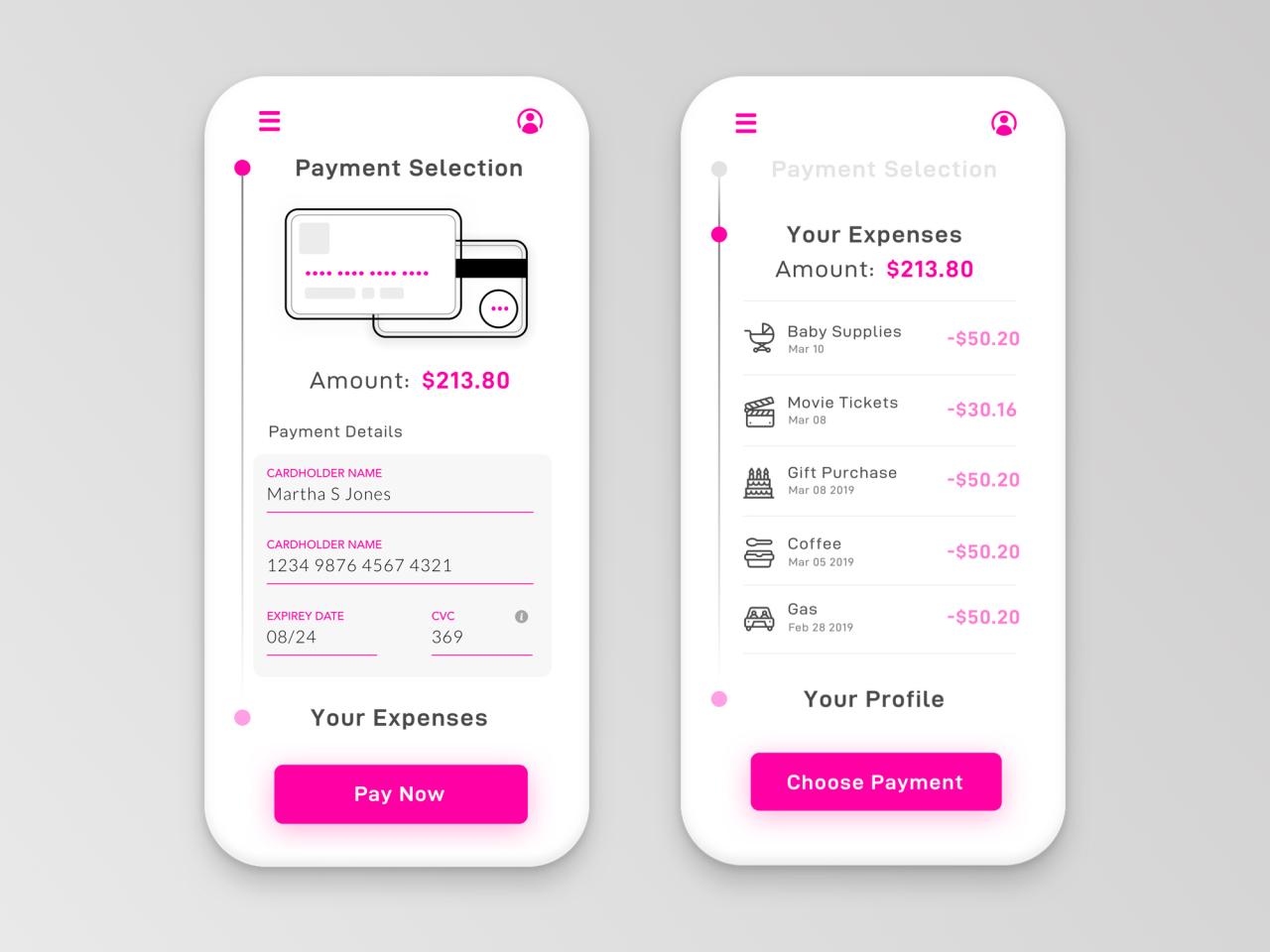
As take credit card payments app takes center stage, this opening passage beckons readers into a world crafted with good knowledge, ensuring a reading experience that is both absorbing and distinctly original.
In today’s fast-paced digital economy, the ability to process credit card payments effortlessly is crucial for businesses of all sizes. This app not only simplifies the transaction process but also enhances customer convenience, making it an essential tool for merchants looking to thrive in a competitive marketplace. Let’s dive into the features, benefits, and considerations that come with utilizing a credit card payments application.
In recent years, the concept of work has undergone a profound transformation, largely driven by technological advancements and changing societal norms. Remote work, once considered a luxury, has become a necessity for many organizations worldwide, especially in light of the COVID-19 pandemic. This shift has not only altered how we perceive work but has also sparked discussions about its long-term implications on productivity, employee well-being, and company culture.
The Rise of Remote Work
Remote work has its roots in flexible working arrangements, which gained popularity in the early 21st century. However, the global health crisis of 2020 accelerated this trend, forcing companies to adopt remote working models almost overnight. Initially, this transition was met with skepticism. Many employers feared that productivity would plummet without the traditional office environment. Surprisingly, the opposite occurred for many organizations.
Studies showed that a significant portion of employees were just as productive, if not more so, when working from home.
Benefits of Remote Work
The benefits of remote work extend beyond mere productivity. One of the most significant advantages is the flexibility it offers. Employees can create their own schedules, balancing work and personal commitments more effectively. This newfound autonomy can lead to increased job satisfaction and reduced stress levels. Furthermore, remote work eliminates long commutes, giving employees back valuable time that can be spent with family, pursuing hobbies, or relaxing.
From an organizational perspective, remote work can lead to cost savings. Companies can reduce overhead costs associated with maintaining physical office space, such as rent, utilities, and office supplies. Additionally, a remote workforce allows businesses to tap into global talent pools, enabling them to hire the best candidates regardless of geographical limitations.
Challenges of Remote Work
However, remote work is not without its challenges. One of the most pressing issues is the feeling of isolation that many remote workers experience. The lack of face-to-face interaction can lead to feelings of disconnect from colleagues and the company culture. To combat this, organizations must be intentional about fostering virtual connections through regular check-ins, team-building activities, and social events.
Communication can also become a challenge in remote work environments. Misunderstandings are more likely to occur when relying solely on written communication via emails and instant messaging platforms. Employers need to ensure that communication channels are clear, and tools are in place for effective collaboration.
The Future of Remote Work
As we look ahead, it seems that remote work is here to stay. Many companies have adopted hybrid models, allowing employees to split their time between the office and remote work. This flexibility caters to diverse employee preferences, fostering a more inclusive work environment.
Furthermore, advancements in technology will continue to facilitate remote work. Tools such as virtual reality and artificial intelligence are on the horizon, promising to enhance collaboration and engagement. The use of project management software, video conferencing tools, and cloud-based applications has already revolutionized the way teams work together, regardless of location.
Best Practices for Remote Work Success
To ensure the success of remote work arrangements, both employees and employers should adopt best practices. Here are some key strategies:
- Set Clear Expectations: Employers should establish clear guidelines regarding work hours, performance metrics, and communication protocols.
- Maintain Regular Communication: Schedule regular check-ins and team meetings to keep everyone aligned and engaged.
- Encourage Work-Life Balance: Promote healthy boundaries between work and personal life to prevent burnout.
- Provide Resources and Support: Ensure employees have access to the tools and support they need to perform their jobs effectively.
- Foster Social Connections: Create opportunities for social interaction, such as virtual coffee breaks or team-building exercises.
Conclusion
The evolution of remote work presents both opportunities and challenges for organizations and employees alike. While the flexibility and autonomy that come with remote work can enhance job satisfaction and productivity, it is crucial for companies to address the challenges of isolation and communication. By embracing best practices and leveraging technology, organizations can create a thriving remote work environment that benefits everyone involved.
As we move forward, the ability to adapt to these changes will be key to success in a world where work is increasingly defined by flexibility and innovation.
Essential FAQs
What types of businesses can use a credit card payments app?
Almost any business, from retail stores to online shops and service providers, can benefit from using a credit card payments app.
Are there any fees associated with using a credit card payments app?
Yes, most apps charge transaction fees, which can vary based on the provider and the payment volume.
Can I use a credit card payments app on my mobile device?
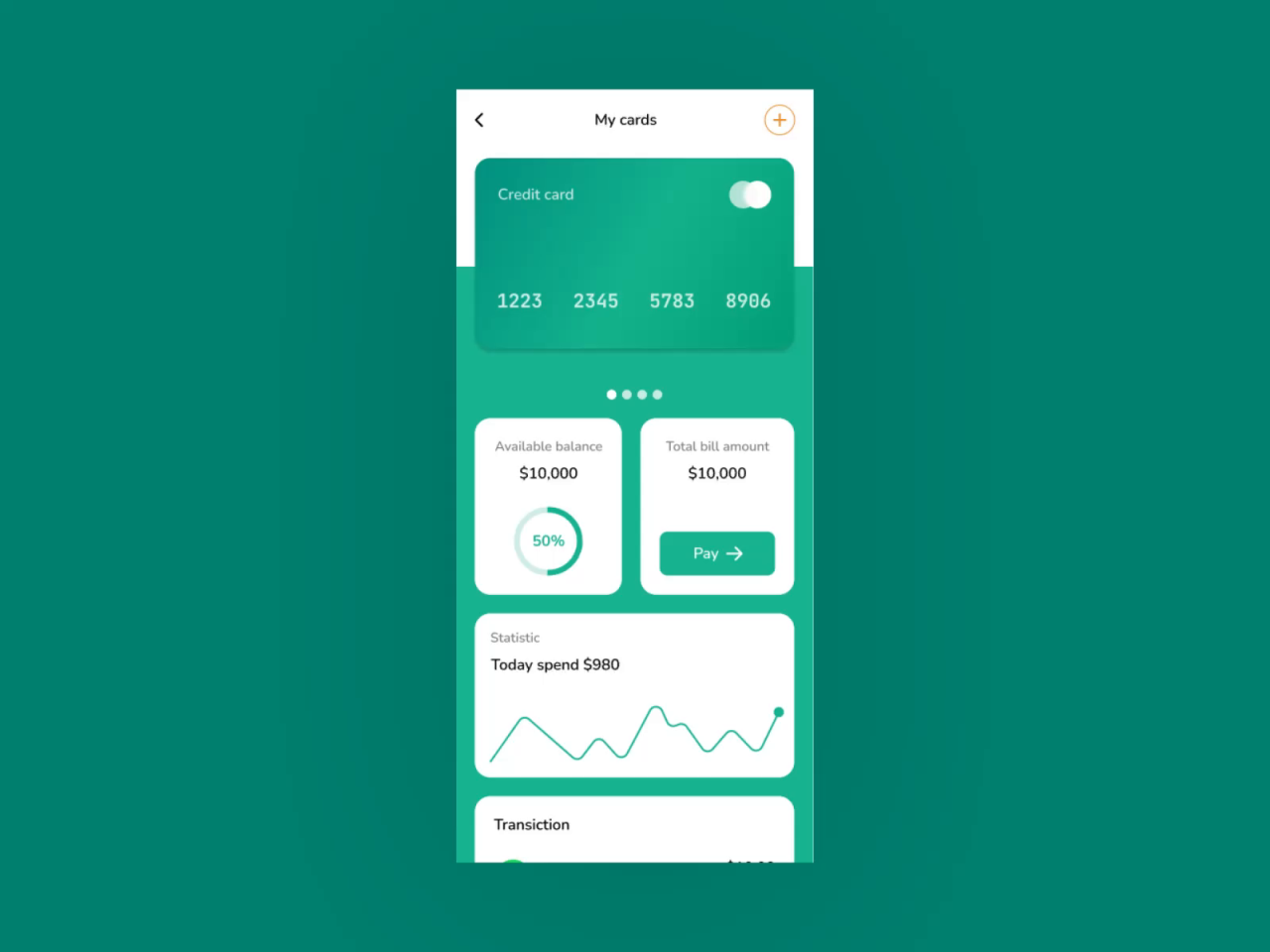
Absolutely! Most modern credit card payments apps are designed to be mobile-friendly, allowing transactions on smartphones and tablets.
Is customer data secure when using a credit card payments app?
Reputable apps use encryption and other security measures to protect customer data during transactions.
Can I integrate the credit card payments app with my existing business systems?
Many credit card payments apps offer integration options with popular accounting and e-commerce platforms for seamless operation.