Beginning with applications business intelligence, the narrative unfolds in a compelling and distinctive manner, drawing readers into a story that promises to be both engaging and uniquely memorable.
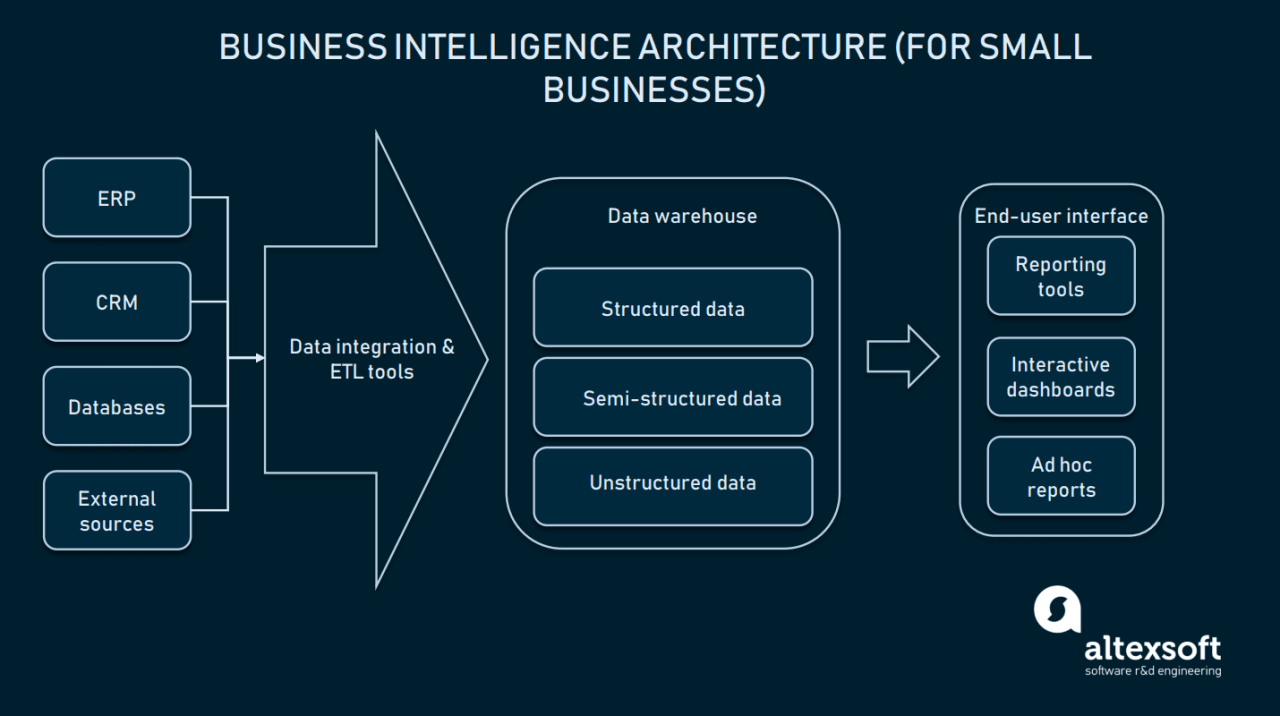
In our data-driven world, business intelligence applications play a crucial role in transforming raw data into actionable insights. These tools enable organizations to analyze data sets, understand trends, and make informed decisions that drive efficiency and growth. From dashboards that visualize performance metrics to predictive analytics that forecast future trends, the landscape of business intelligence is ever-evolving and increasingly essential for staying competitive.
Communication is an essential skill that influences various aspects of our lives. Whether in personal relationships or professional settings, the ability to articulate thoughts, feelings, and ideas effectively is crucial. This article explores the nuances of effective communication, its importance, and practical tips for improving your communication skills.
Understanding Communication
At its core, communication is the process of exchanging information, ideas, or feelings between individuals or groups. It involves not just verbal language but also non-verbal cues such as body language, tone of voice, and facial expressions. The effectiveness of communication hinges on the receiver’s understanding of the message as much as on the sender’s ability to convey it.
The Importance of Effective Communication
Effective communication is vital for numerous reasons:
- Builds Relationships: Good communication fosters trust and understanding, which are foundational for strong relationships, whether they are personal or professional.
- Enhances Collaboration: In workplaces, clear communication can lead to better teamwork and collaboration, enabling teams to achieve their goals more effectively.
- Reduces Conflict: Misunderstandings often lead to conflicts. By communicating clearly, one can minimize the chances of disputes arising from misinterpretation.
- Facilitates Decision Making: Clear communication allows for informed decision-making, as all relevant information is accurately shared and understood.
- Boosts Confidence: When individuals feel that they can express themselves effectively, it boosts their confidence in various situations.
Barriers to Effective Communication
Despite its importance, many barriers can hinder effective communication:
- Language Differences: Misunderstandings can arise from language barriers, particularly in multicultural environments.
- Assumptions and Stereotypes: Preconceived notions about people can lead to misinterpretation of their words or intentions.
- Emotional Barriers: Personal feelings can cloud judgment and affect how messages are sent and received.
- Physical Barriers: Environmental factors, such as noise or distance, can disrupt communication.
- Lack of Feedback: Without feedback, communicators may struggle to gauge whether their message was understood correctly.
Tips for Improving Communication Skills
Improving communication skills is an ongoing process that can significantly enhance personal and professional interactions. Here are some practical tips:
1. Active Listening
One of the most important aspects of communication is listening. Practicing active listening involves fully concentrating on the speaker, understanding their message, responding thoughtfully, and remembering key points. It shows respect and encourages open dialogue.
2. Be Clear and Concise
When conveying information, aim for clarity and brevity. Avoid jargon and overly complex language that might confuse the listener. A well-structured message is easier to understand, making it more likely that the receiver will grasp your point.
3. Non-Verbal Communication
Pay attention to your body language, facial expressions, and tone of voice. Non-verbal cues can reinforce your message or contradict it. Being aware of these aspects helps you communicate more effectively.
4. Tailor Your Message
Consider your audience and tailor your message accordingly. Different people have different communication styles. Adjusting your approach based on the listener’s preferences can enhance comprehension.
5. Provide Constructive Feedback
Feedback is essential to communication. When giving feedback, focus on the behavior rather than the person, and ensure it is constructive. This approach encourages growth while maintaining a positive atmosphere.
6. Ask Questions
Asking questions not only clarifies understanding but also engages the listener. It shows that you value their input and encourages a two-way conversation.
7. Practice Empathy
Empathy is the ability to understand and share the feelings of others. By being empathetic, you can better connect with people, making your communication more effective and meaningful.
Communication in Different Contexts
Effective communication varies across different contexts:
In the Workplace
In professional settings, clarity, and professionalism are paramount. Regular team meetings, concise emails, and clear reporting structures can facilitate smooth communication. Additionally, creating an open environment encourages employees to share ideas and concerns without hesitation.
In Personal Relationships
In personal relationships, effective communication nurtures intimacy and connection. It’s important to express feelings openly and honestly while being receptive to the partner’s emotions. Practicing active listening and empathy can deepen mutual understanding.
In Public Speaking
Public speaking requires a different set of communication skills. Engaging an audience means using clear language, strong body language, and rhetorical techniques to captivate listeners. Practicing beforehand can also help alleviate anxiety associated with public speaking.

The Role of Technology in Communication
In recent years, technology has transformed the landscape of communication. From emails and instant messaging to video conferencing, technology offers various platforms for communication. While it enhances convenience, it also presents challenges, such as the potential for misinterpretation due to lack of non-verbal cues.
Conclusion
Effective communication is an art that requires continuous practice and self-awareness. By recognizing the barriers to communication and actively working to improve your skills, you can enhance your interactions in both personal and professional spheres. Remember, the goal of communication is not just to speak but to connect, understand, and be understood.
Detailed FAQs
What is business intelligence?
Business intelligence refers to technologies and strategies used by organizations to analyze data and present actionable information for improved decision-making.
How can business intelligence applications benefit small businesses?

Small businesses can use business intelligence applications to identify market trends, understand customer behaviors, and optimize their operations, thereby gaining a competitive edge.
What types of data can business intelligence applications analyze?
Business intelligence applications can analyze various types of data, including sales data, customer demographics, operational metrics, and market trends.
Are there any challenges associated with implementing business intelligence?
Yes, challenges can include data quality issues, integration with existing systems, and ensuring user adoption across the organization.
How does machine learning enhance business intelligence?
Machine learning enhances business intelligence by enabling systems to automatically learn from data patterns, thus improving predictions and insights over time.