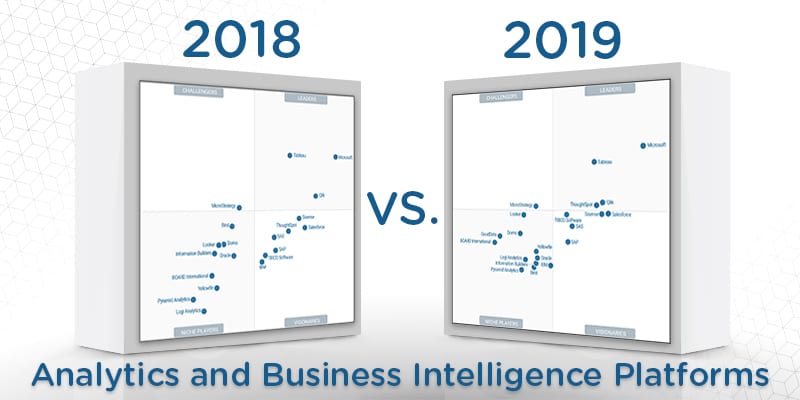
Analytics and business intelligence platforms are revolutionizing how organizations make decisions by transforming data into actionable insights. In today’s fast-paced digital landscape, businesses must harness the power of data to stay competitive, and these platforms provide the necessary tools to analyze trends, forecast outcomes, and enhance strategic planning.
From identifying customer behaviors to optimizing operational efficiency, the importance of these platforms cannot be overstated. They enable companies to visualize data, uncover hidden patterns, and ultimately drive growth, ensuring that informed decisions are made based on solid evidence rather than guesswork.
Communication is an essential aspect of our daily lives. It shapes our interactions, influences our relationships, and drives our professional success. In today’s fast-paced world, where technology continuously evolves, the way we communicate has undergone significant transformations. Understanding the nuances of effective communication is vital for navigating social, professional, and personal landscapes.
Understanding Communication
At its core, communication is the process of exchanging information, ideas, thoughts, or feelings between individuals. This exchange can occur through various means, including verbal, non-verbal, written, and visual forms. Each type of communication plays a critical role in how we convey messages and interact with others.
Verbal communication involves speaking and listening, where tone and clarity are paramount. Non-verbal communication includes body language, facial expressions, and gestures, often conveying more than words alone. Written communication encompasses emails, texts, reports, and social media posts, requiring a different skill set to ensure the intended message is received accurately. Visual communication uses images, graphs, and videos, appealing to our visual senses and often making complex information more digestible.
The Importance of Effective Communication
Effective communication is crucial for several reasons. First, it builds strong relationships. In both personal and professional settings, clear and open communication fosters trust and understanding. When individuals feel heard, respected, and valued, they are more likely to engage positively and collaborate effectively.
Second, effective communication enhances productivity. In the workplace, clear instructions and feedback can reduce misunderstandings and streamline processes. Teams that communicate well are often more efficient and innovative, leading to improved outcomes and job satisfaction.
Moreover, effective communication is a vital leadership skill. Leaders must articulate their vision, motivate their teams, and navigate conflicts. Good leaders are also active listeners, demonstrating empathy and understanding, which can inspire their teams and create a positive work environment.
Barriers to Effective Communication
Despite its importance, several barriers can impede effective communication. One common barrier is language differences. In a multicultural society, language proficiency can vary, leading to misunderstandings. Additionally, jargon or technical terms that are unfamiliar to others can create confusion.
Another barrier is emotional interference. Strong feelings, whether positive or negative, can cloud judgment and affect how messages are conveyed and received. For example, an angry tone can lead to defensiveness, while excessive enthusiasm may make the message seem insincere.
Physical barriers, such as distance or technological issues, can also hinder communication. In the age of remote work, reliance on digital communication tools can lead to misinterpretations, especially when non-verbal cues are absent.
Improving Communication Skills
Improving communication skills is a continuous process that can yield significant benefits. Here are several strategies to enhance your communication abilities:
1. Active Listening
Active listening is the practice of fully concentrating on the speaker, understanding their message, and responding thoughtfully. This involves maintaining eye contact, nodding, and avoiding distractions. By demonstrating that you value the speaker’s words, you foster a more meaningful exchange.
2. Clarity and Conciseness
When conveying your message, strive for clarity and conciseness. Avoid using jargon or overly complex language that might confuse the listener. Instead, use simple, straightforward language to ensure your message is both understandable and engaging.
3. Non-Verbal Communication
Pay attention to your body language, facial expressions, and tone of voice, as these can significantly impact how your message is received. Ensure that your non-verbal cues align with your verbal communication to avoid mixed signals.
4. Manage Emotions
Being aware of your emotions and how they may influence your communication is essential. If you feel overwhelmed or emotional, take a moment to regroup before engaging in conversation. This practice can prevent misunderstandings and help maintain a constructive dialogue.
5. Empathy
Empathy is the ability to understand and share the feelings of others. By putting yourself in someone else’s shoes, you can better respond to their needs and perspectives, fostering a more supportive communication environment.
The Role of Technology in Communication
In recent years, technology has dramatically transformed communication. From emails and instant messaging to video conferencing and social media, these tools have made it easier to connect with others across the globe. However, they also come with unique challenges.
For instance, while emails can facilitate quick exchanges, they can also lead to misunderstandings due to the lack of tone and context. Video calls allow for visual cues but may present technical issues that disrupt the flow of conversation. Social media can enhance connectivity but often promotes superficial interactions rather than deep, meaningful exchanges.
Therefore, it is essential to strike a balance between utilizing technology to enhance communication and ensuring that our interactions remain authentic and personal.
Conclusion
Effective communication is a skill that can be nurtured and developed over time. By understanding its importance, recognizing barriers, and implementing strategies to improve, individuals can foster better relationships and enhance their personal and professional lives. In our increasingly interconnected world, mastering the art of communication is not just beneficial—it is essential.

In summary, embrace the journey of becoming a more effective communicator. Whether through active listening, clear expression, or thoughtful use of technology, the effort put into enhancing your communication skills will undoubtedly pay off, leading to richer connections and greater success.
Questions Often Asked
What are analytics and business intelligence platforms?
They are software solutions that help organizations analyze data to make informed business decisions.
How do these platforms benefit businesses?
They provide insights into performance metrics, customer behavior, and market trends, enabling better strategy formulation.
Can small businesses use analytics and business intelligence platforms?

Absolutely, there are many cost-effective solutions tailored for small businesses to leverage data analytics.
What types of data can these platforms analyze?
They can analyze structured data like sales records and unstructured data such as customer feedback and social media interactions.
Are analytics and business intelligence the same?
No, while they are related, analytics focuses on the analysis of data, whereas business intelligence encompasses the overall strategies and technologies for managing and analyzing data.