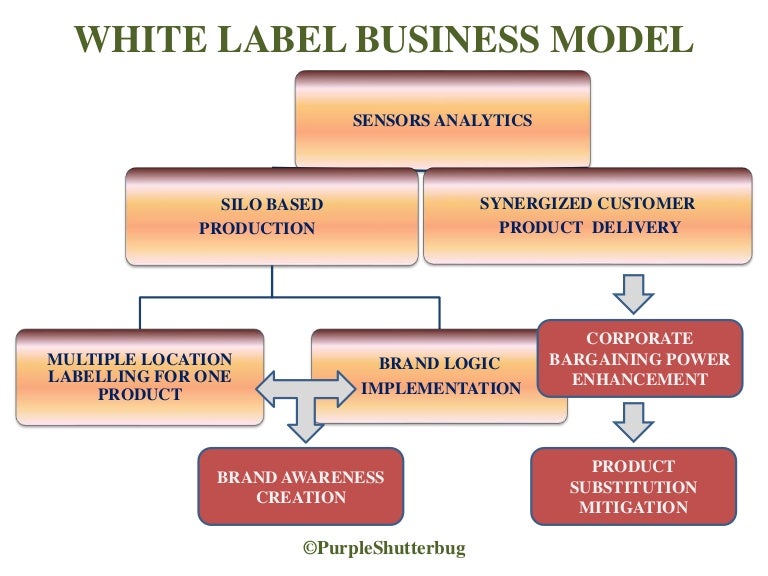
White label business intelligence is revolutionizing how organizations access and utilize data, empowering businesses to make informed decisions seamlessly. This concept allows companies to leverage advanced analytics and reporting tools without the need to develop them from scratch, introducing efficiency and effectiveness into their operations.
As companies increasingly recognize the value of data-driven strategies, white label solutions provide a unique opportunity to harness insights tailored to their specific needs. By integrating these tools, businesses can enhance customer experiences, streamline operations, and ultimately drive growth in a competitive marketplace.
In the past few decades, technology has transformed at an unprecedented pace, reshaping the way we live, work, and interact with one another. From the advent of the internet to the rise of artificial intelligence, the technological revolution has influenced every aspect of our lives. This article delves into the evolution of technology, examining its impact on society, the economy, and our daily routines.
The Early Days of Technology
The history of technology can be traced back to ancient civilizations that invented tools to make life easier. The wheel, for instance, revolutionized transportation and trade, while the printing press in the 15th century made the distribution of knowledge more accessible. These early innovations laid the groundwork for future advancements, which would continue to build upon previous discoveries.
During the Industrial Revolution in the 18th and 19th centuries, technology took a leap forward with the introduction of machinery and mass production techniques. Steam engines, telegraphs, and railroads changed how goods were manufactured and transported, leading to urbanization and a shift in societal dynamics.
The Digital Revolution
The late 20th century witnessed the onset of the Digital Revolution, characterized by the rise of computers and the internet. The introduction of personal computers in the 1980s and the subsequent development of the World Wide Web in the 1990s transformed communication and information sharing. Suddenly, information became readily available at the click of a button, leading to an explosion of knowledge-sharing and innovation.
The digital age brought about significant changes in various sectors, including education, healthcare, and business. For instance, online learning platforms have made education accessible to millions worldwide, breaking down geographical barriers. In healthcare, electronic health records have streamlined patient care, improving efficiency and accuracy in treatment.
Social Media and Cultural Shifts
With the rise of social media platforms like Facebook, Twitter, and Instagram in the early 2000s, the way we connect and communicate has evolved dramatically. These platforms enable individuals to share their lives, opinions, and experiences with a global audience. While this has fostered connection and community, it has also raised concerns about privacy, mental health, and the spread of misinformation.
Social media has become a double-edged sword, providing a platform for social movements and activism while also facilitating echo chambers and polarization. The impact of social media on societal norms and values is profound, shaping everything from political discourse to personal relationships.
The Rise of Artificial Intelligence
Artificial Intelligence (AI) is one of the most significant technological advancements of the 21st century. From virtual assistants like Siri and Alexa to self-driving cars and advanced data analytics, AI is transforming industries and redefining what’s possible. Machine learning algorithms are capable of processing vast amounts of data, enabling businesses to make informed decisions and personalize customer experiences.
However, the rise of AI also raises ethical questions about job displacement, privacy, and the potential for bias in decision-making systems. As AI continues to evolve, society must grapple with these challenges and ensure that technological advancements benefit all, rather than exacerbate existing inequalities.
The Future of Technology
Looking ahead, technology shows no signs of slowing down. Innovations such as the Internet of Things (IoT), blockchain, and virtual reality are set to redefine our experiences further. The IoT connects everyday devices to the internet, allowing for smart homes and cities that can optimize energy use and improve quality of life.
Blockchain technology promises transparency and security in various applications, from finance to supply chains. Meanwhile, virtual and augmented reality technologies offer immersive experiences that could revolutionize entertainment, education, and training.
The Societal Implications of Technological Advancement
While technology has undoubtedly brought about numerous benefits, it’s essential to consider the societal implications of these advancements. The digital divide remains a significant issue, with millions lacking access to the internet and modern technology. Addressing this gap is crucial to ensuring that everyone can participate in the digital economy and benefit from technological advancements.
Moreover, as technology continues to infiltrate our lives, concerns about data privacy and security grow. High-profile data breaches and surveillance practices have raised alarms about how personal information is collected and used. Striking a balance between technological progress and the protection of individual rights is a challenge that society must address moving forward.
Conclusion
In conclusion, the evolution of technology has profoundly impacted society, reshaping the way we communicate, work, and live. As we navigate this rapidly changing landscape, it’s crucial to remain mindful of the ethical and societal implications of technological advancements. By fostering a dialogue about the future of technology and its role in our lives, we can harness its potential to create a better, more equitable world.
The journey of technology is ongoing, and it remains an integral part of our collective human experience.
Questions Often Asked
What is white label business intelligence?
It refers to customizable analytics and reporting solutions that businesses can brand as their own without developing the technology themselves.
Who can benefit from white label business intelligence?
Companies of all sizes looking to enhance their data capabilities without investing heavily in development can benefit greatly.
How does white label business intelligence improve decision-making?
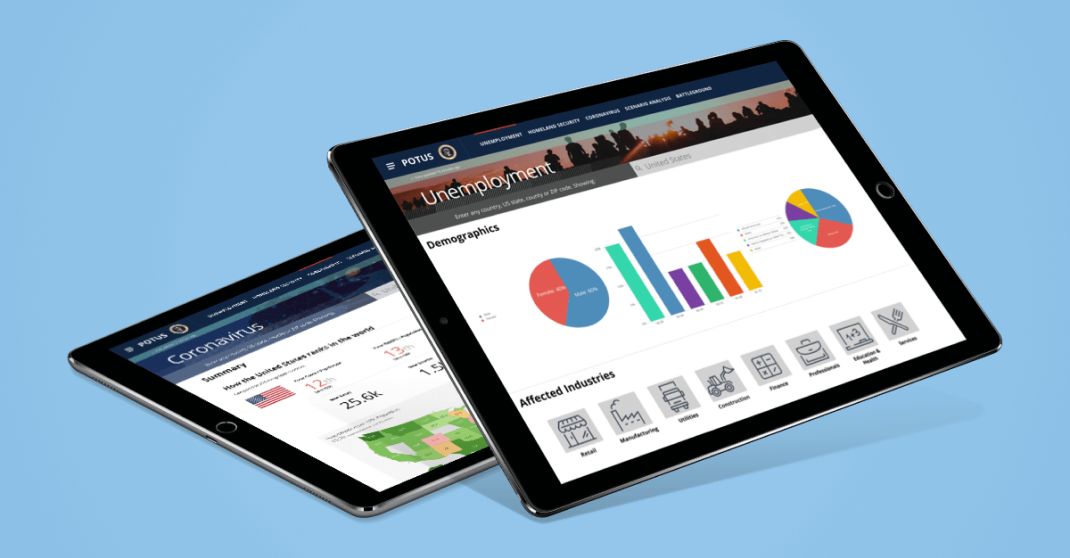
By providing quick access to relevant data insights, it enables faster and more informed decision-making processes.
Are there any integration challenges with white label solutions?
Some integration challenges may arise depending on existing systems, but many solutions are designed to be compatible with common platforms.
What is the future of white label business intelligence?
The future looks promising, with advancements in AI and machine learning likely to enhance the capabilities and accessibility of these tools.