Starting with the pyramid decision intelligence platform, this innovative tool is revolutionizing the way organizations approach decision-making. In today’s fast-paced world, where choices can be overwhelming, this platform offers a structured methodology that simplifies complex decisions and enhances strategic planning.
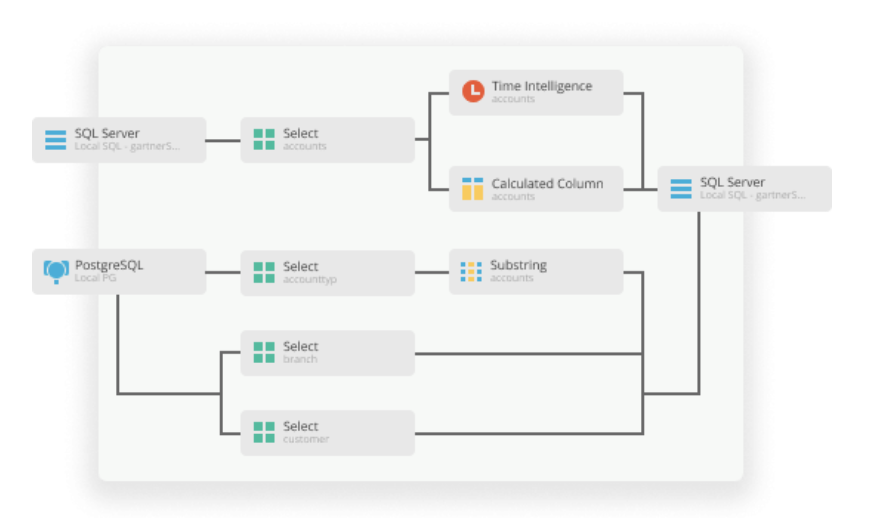
The pyramid decision intelligence platform integrates data analysis, machine learning, and user-friendly interfaces to empower teams to make informed choices that drive success. By leveraging technology, this platform not only streamlines the decision-making process but also ensures that decisions are based on accurate insights, ultimately leading to improved outcomes.
In an increasingly digital age, the concept of digital literacy has emerged as a cornerstone of modern education and professional development. It transcends basic computer skills, encompassing the ability to navigate, understand, and create information using digital technologies. As society continues to evolve within a rapidly changing technological landscape, the significance of being digitally literate becomes paramount. This article delves into the various dimensions of digital literacy, its importance, and how it shapes our lives in contemporary settings.
Understanding Digital Literacy
Digital literacy is often defined as the capability to effectively and critically navigate, evaluate, and create information using a range of digital technologies. This encompasses not only the ability to use devices such as computers, smartphones, and tablets but also the skills necessary to sift through vast amounts of information to determine credibility and relevance. In essence, digital literacy involves a complex set of skills that allow individuals to thrive in a tech-driven environment.
The Components of Digital Literacy
The landscape of digital literacy is multifaceted and comprises various components:
- Technical Skills: The foundational ability to operate devices and software, including word processing, web browsing, and managing digital files.
- Information Literacy: The skill to locate, assess, and utilize information effectively, ensuring that users can distinguish between credible sources and misinformation.
- Communication Skills: Proficiency in using digital platforms to communicate, collaborate, and share information, which is crucial in both personal and professional environments.
- Media Literacy: The ability to analyze and critically evaluate the media content we consume, fostering a discerning approach to news and social media.
- Privacy and Security Awareness: Understanding the importance of digital security, including managing passwords, recognizing phishing scams, and protecting personal information online.
Why is Digital Literacy Important?
The necessity for digital literacy in today’s world cannot be overstated. Here are some key reasons why cultivating digital literacy skills is essential:
1. Employment Opportunities
As the job market increasingly demands digital competencies, possessing strong digital literacy skills can significantly expand employment opportunities. Many industries now require employees to be proficient in various digital tools and platforms. From basic communication via email to advanced data analysis using specialized software, digital literacy is often a prerequisite for many positions.
2. Access to Information
Digital literacy empowers individuals to access a wealth of information available online. With the right skills, people can find resources on virtually any topic, enabling lifelong learning and personal growth. This access fosters informed decision-making, whether it be in health, finance, or civic engagement.
3. Participation in Civic Life
In a democratic society, being digitally literate is crucial for participating in civic life. Understanding how to engage with online platforms allows individuals to stay informed about current events, advocate for issues they care about, and participate in discussions that shape their communities. Digital literacy also plays a significant role in online voting and mobilizing for social causes.
4. Navigating Misinformation
In an age where misinformation spreads rapidly, digital literacy is vital for discerning fact from fiction. Being able to critically evaluate sources and fact-check information is essential for making informed choices. This skill set is particularly important in the context of social media, where false information can easily go viral.
Enhancing Digital Literacy Skills
Improving digital literacy is a continuous process that can be achieved through various methods:
- Education and Training: Schools and universities are increasingly incorporating digital literacy into their curricula, ensuring that students are equipped with necessary skills before they enter the workforce.
- Online Courses and Workshops: Numerous online platforms offer courses specifically aimed at enhancing digital skills, making it easier for individuals to learn at their own pace.
- Community Programs: Local libraries and community centers often host workshops on digital literacy, targeting those who may have limited access to technology or educational resources.
- Self-Directed Learning: Individuals can take proactive steps to enhance their skills by exploring tutorials, engaging with educational content online, and practicing new technologies.
The Future of Digital Literacy
As technology continues to advance, the definition and requirements of digital literacy will evolve. Future trends suggest that emerging technologies, such as artificial intelligence and virtual reality, will play a significant role in shaping the digital landscape. To remain relevant, individuals must adapt and continuously refine their digital skills.
Furthermore, it is essential for educational institutions, employers, and governments to work together to foster a culture of digital literacy. This collaborative approach can help bridge the digital divide, ensuring that all members of society have the opportunity to develop the skills necessary to thrive in a digital world.
Conclusion
In conclusion, digital literacy is not merely a set of technical skills; it is a vital competency that shapes our ability to access information, communicate effectively, and engage with the world around us. As we navigate the complexities of the digital age, prioritizing digital literacy will empower individuals to succeed in their personal and professional lives. By investing in education and resources to promote digital literacy, we can build a more informed, engaged, and resilient society.
FAQ Summary
What is the pyramid decision intelligence platform?
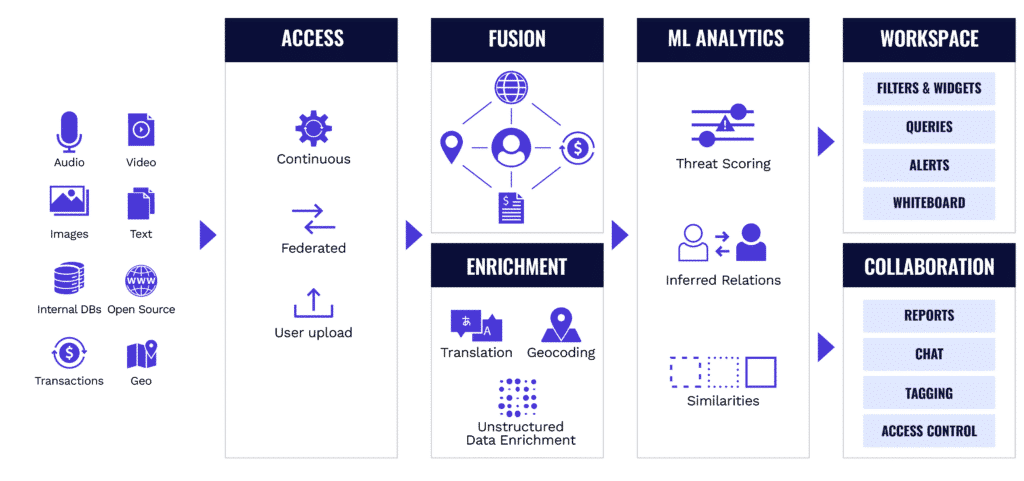
It is a structured tool designed to enhance decision-making processes using data analysis and machine learning.
Who can benefit from using this platform?
Businesses, organizations, and teams that require efficient and informed decision-making can benefit greatly.
How does the platform improve decision-making?
By providing accurate insights and simplifying complex data, it enables users to make more informed choices.
Is the platform user-friendly?

Yes, it is designed with intuitive interfaces to ensure ease of use for all team members, regardless of technical expertise.
What types of data does the platform utilize?
The platform can integrate various data sources, including internal databases and external market research, to provide comprehensive insights.