As crm software for service business takes center stage, this opening passage beckons readers into a world crafted with good knowledge, ensuring a reading experience that is both absorbing and distinctly original.
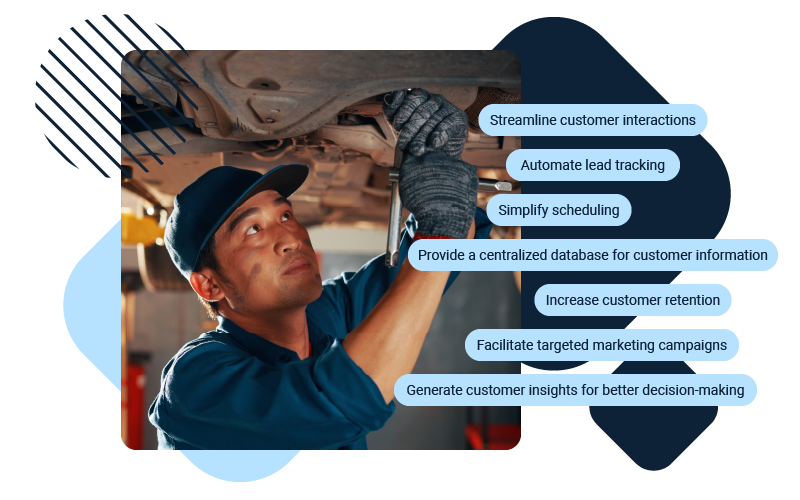
In today’s competitive landscape, the role of CRM software cannot be overstated. It serves as the backbone of service-oriented enterprises, allowing them to manage customer relationships effectively while streamlining operations. Whether you’re a small business owner or part of a large organization, understanding how CRM software can elevate your service delivery is crucial for success.
In today’s fast-paced world, where technology is constantly evolving and shaping our daily lives, the importance of digital literacy cannot be overstated. Digital literacy encompasses a wide range of skills that enable individuals to effectively navigate, evaluate, and create information using digital technologies. It is not merely about being able to use a computer or smartphone; rather, it is about empowering oneself to critically engage with the digital landscape.One of the fundamental aspects of digital literacy is the ability to discern credible information from unreliable sources.
The internet is flooded with information, but not all of it is accurate or trustworthy. Critical thinking skills become paramount in evaluating the authenticity of online content. Individuals must learn to ask questions like: Who created this information? What is their purpose? Is there evidence to support their claims?
By cultivating these skills, individuals can protect themselves from misinformation and make informed decisions based on reliable data.Moreover, digital literacy involves understanding how to communicate effectively in a digital environment. Whether it’s through emails, social media, or collaborative platforms, the ability to convey ideas clearly and concisely is crucial. Being able to articulate thoughts in writing, while also considering tone and audience, is a skill that can enhance professional and personal relationships alike.
Additionally, understanding digital etiquette—such as respecting others’ opinions and maintaining professionalism online—plays a significant role in fostering positive interactions.Another key component of digital literacy is the knowledge of online safety and privacy. With the rise of cyber threats, individuals must be equipped with the skills to protect their personal information and understand the risks associated with sharing data online. This includes knowing how to create strong passwords, recognizing phishing attempts, and understanding privacy settings on social media platforms.
By being proactive about safety, individuals can enjoy the benefits of the digital world without compromising their security.Furthermore, digital literacy extends to the ability to create content, not just consume it. In a world where user-generated content is at the forefront, individuals should feel empowered to express their ideas creatively. This could be through blogging, video creation, or graphic design.
Learning how to use various digital tools and platforms can open up opportunities for personal expression and professional growth. The ability to produce high-quality content can also enhance an individual’s employability, as many industries increasingly seek individuals who can navigate the digital landscape with ease.In the educational context, promoting digital literacy is essential. Schools and educational institutions have a responsibility to equip students with the necessary skills to thrive in a digital world.
Incorporating digital literacy into the curriculum can prepare students for future challenges and opportunities. This can include teaching students about coding, digital media production, and online research methodologies. By fostering these skills early on, educators can help students become responsible digital citizens who are capable of contributing positively to society.Equally important is the concept of digital citizenship, which goes hand in hand with digital literacy.
Digital citizenship refers to the responsible use of technology and the internet. It encompasses understanding the ethical implications of online behavior, respecting intellectual property, and engaging positively with others in the digital realm. Educating individuals about digital citizenship can promote a culture of respect and accountability, reducing instances of cyberbullying and fostering a healthier online environment.Additionally, as technology continues to advance, the demand for digital skills in the workforce is increasing.
Employers are actively seeking candidates who possess strong digital literacy skills, as these attributes are vital for navigating the modern workplace. From data analysis to digital marketing, having a solid foundation in digital tools and technologies can give job seekers a competitive edge. Continuous learning and adaptation are key, as the digital landscape is ever-changing.In conclusion, digital literacy is an essential skill set that everyone should strive to develop in today’s technology-driven society.

It empowers individuals to critically engage with information, communicate effectively, ensure online safety, and create meaningful content. As we move further into the digital age, the importance of these skills will only continue to grow. Educational institutions, employers, and individuals must work together to promote digital literacy and citizenship, ensuring that we are all equipped to thrive in the digital world.
By embracing digital literacy, we can navigate the complexities of the digital landscape with confidence and responsibility, paving the way for a more informed and connected society.
General Inquiries
What is CRM software?

CRM software is a tool that helps businesses manage customer interactions and data throughout the customer lifecycle.
How can CRM software benefit service businesses?
It helps streamline processes, improve customer relationships, and increase efficiency by centralizing customer information.
Is CRM software suitable for small businesses?
Yes, many CRM solutions are scalable and designed specifically to meet the needs of small businesses.
What features should I look for in CRM software?
Key features include contact management, reporting and analytics, automation, and integration capabilities.
How can I choose the right CRM software for my business?
Evaluate your business needs, budget, and desired features, and consider testing different options through trials before making a decision.