Ransomware decision tree serves as a vital guide for organizations seeking to navigate the complex landscape of cyber threats. With ransomware attacks on the rise, understanding how to make informed decisions in the face of such challenges is crucial. This approach not only assists in determining the right course of action during an attack but also enhances preparedness for future incidents.
By systematically evaluating options and potential outcomes, the ransomware decision tree empowers organizations to mitigate risks effectively. It encompasses various scenarios—from detecting an attack to negotiating with attackers—offering a structured methodology for response and recovery.
In the ever-evolving landscape of modern life, time management has become a crucial skill. With the myriad of distractions and responsibilities that individuals face daily, mastering the art of managing one’s time effectively can mean the difference between success and stagnation. This article delves into the significance of time management, its benefits, and practical strategies for honing this essential skill.
Understanding Time Management
Time management refers to the process of planning and exercising conscious control over the amount of time spent on specific activities. Good time management enables an individual to work smarter, not harder, ensuring that they accomplish more in a shorter period of time. This is particularly important in today’s fast-paced environment, where efficiency and effectiveness are paramount.
The Benefits of Effective Time Management
1. Increased Productivity: One of the most significant advantages of effective time management is the boost in productivity. When individuals prioritize tasks and allocate time appropriately, they can accomplish more in less time, leading to a more productive workday.
2. Reduced Stress: Effective time management helps minimize stress by allowing individuals to feel more in control of their tasks and responsibilities. By planning ahead and organizing their time, people can avoid the last-minute rush often associated with poor time management.
3. Better Work-Life Balance: When time is managed well, individuals can strike a balance between their professional obligations and personal life. This balance is vital for maintaining mental and physical health, leading to a more fulfilling life overall.
4. Enhanced Decision-Making: Good time management fosters the ability to make informed decisions. When individuals allocate time for reflection and analysis, they are more likely to make sound choices that align with their goals and values.
Strategies for Effective Time Management
To harness the benefits of time management, individuals can adopt several practical strategies:
1. Set Clear Goals
The first step in effective time management is to establish clear and achievable goals. Whether they are short-term goals for the day or long-term goals for the year, having a clear direction helps individuals prioritize their activities and focus their efforts.
2. Prioritize Tasks
Utilizing a prioritization framework, such as the Eisenhower Matrix, can help individuals distinguish between what is urgent and what is important. By focusing on high-priority tasks that align with their goals, individuals can ensure that their time is spent wisely.
3. Create a Schedule
Creating a detailed schedule can significantly improve time management. Use tools like calendars or task management apps to plan daily activities and deadlines. Having a visual representation of tasks helps individuals stay organized and accountable.
4. Eliminate Distractions
In today’s digital age, distractions are everywhere. Identify your top distractions—be it social media, emails, or chatty coworkers—and take steps to minimize them. This could involve setting specific times to check emails or using apps that block distracting websites during work hours.
5. Set Time Limits
Setting time limits for tasks can enhance focus and efficiency. By allocating a specific amount of time to complete a task, individuals can work more diligently, reducing the likelihood of procrastination.
Overcoming Procrastination
Procrastination is a common hurdle in effective time management. Recognizing the reasons behind procrastination—be it fear of failure, lack of motivation, or feeling overwhelmed—can help individuals develop strategies to overcome it. Techniques such as breaking tasks into smaller, manageable steps or using rewards to motivate oneself can be incredibly beneficial.
The Role of Technology in Time Management
Incorporating technology can greatly enhance time management efforts. Numerous apps and tools are available to help with task organization, scheduling, and reminders. By leveraging technology, individuals can streamline their processes and keep track of their commitments with greater ease.
Conclusion
In conclusion, time management is not merely a skill but an essential component of a productive and fulfilling life. By understanding its importance and implementing effective strategies, individuals can enhance their productivity, reduce stress, and achieve a better work-life balance. As the world continues to move at a rapid pace, mastering time management will undoubtedly remain a valuable asset for both personal and professional success.
FAQ Corner
What is a ransomware decision tree?
A ransomware decision tree is a structured framework that helps organizations determine the best course of action when faced with a ransomware attack.
How can a ransomware decision tree benefit my organization?
It enhances preparedness, provides clear action steps during an attack, and minimizes potential damages through informed decision-making.
Is a ransomware decision tree only for large companies?
No, it is beneficial for organizations of all sizes, as the threat of ransomware affects everyone.
Can the decision tree adapt to new ransomware tactics?
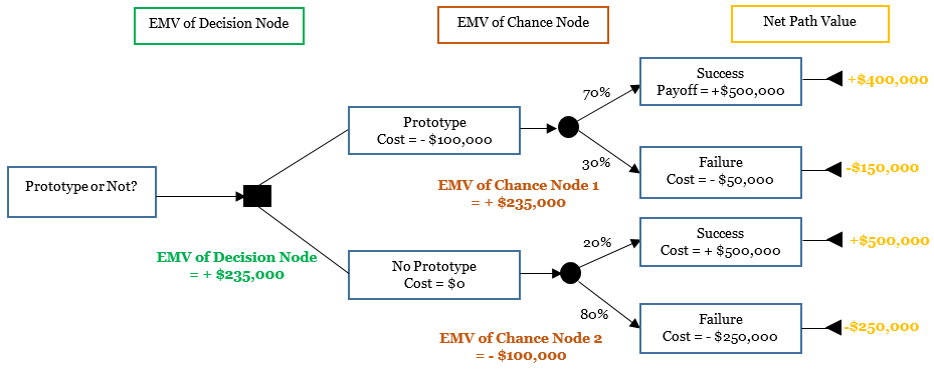
Yes, the decision tree can be updated based on emerging threats and tactics, ensuring it remains relevant and effective.
What should be included in my organization’s ransomware response plan?
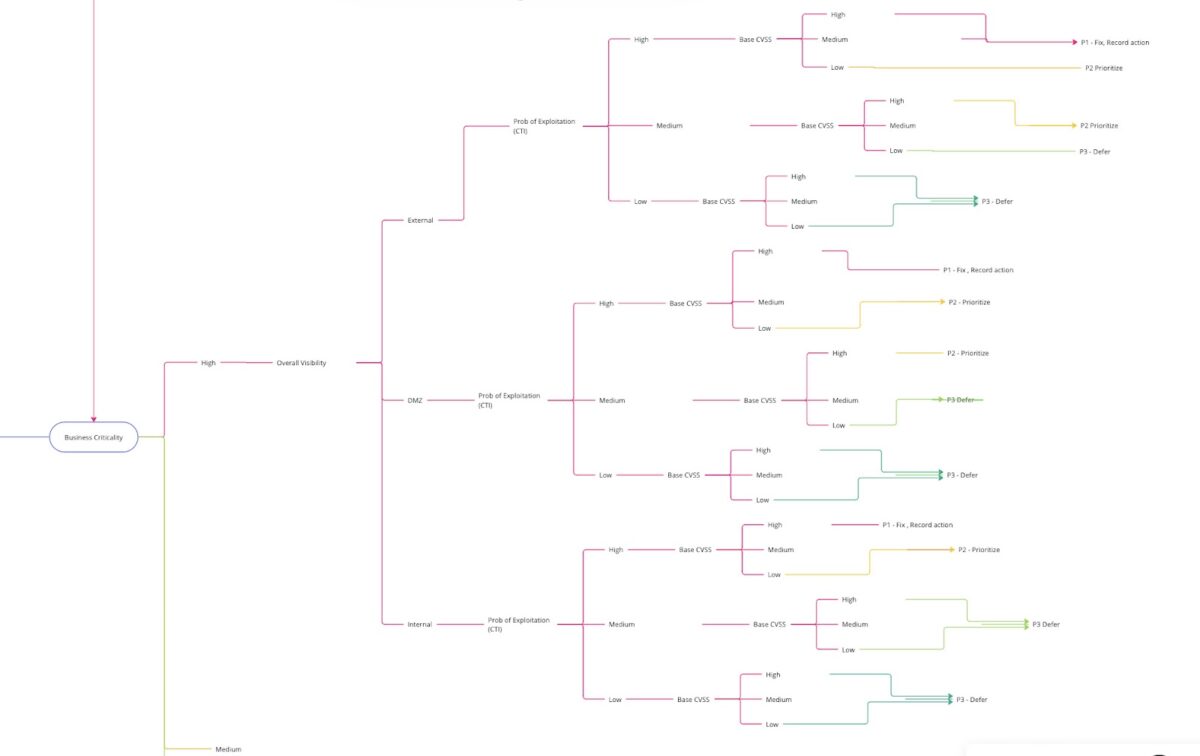
Your response plan should include identification protocols, communication strategies, recovery procedures, and a detailed decision tree for guidance.