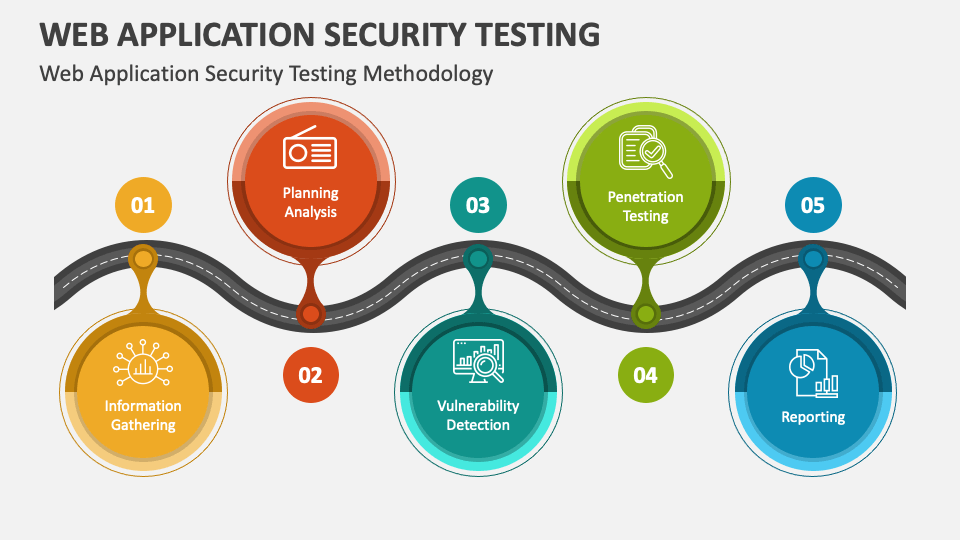
Beginning with web application security testing, the narrative unfolds in a compelling and distinctive manner, drawing readers into a story that promises to be both engaging and uniquely memorable. As our reliance on web applications continues to grow, so does the need for robust security measures to protect sensitive data from cyber threats. Understanding the intricacies of web application security testing is crucial for developers, businesses, and users alike, as it serves as the first line of defense against potential vulnerabilities.
This process involves a systematic evaluation of web applications to identify security flaws before they can be exploited by malicious actors. By employing various testing methods, including automated tools and manual assessments, organizations can ensure their applications are fortified against attacks, safeguarding user information and maintaining trust.
In recent years, the conversation around sustainability has gained immense traction. With climate change and environmental degradation presenting significant challenges, the importance of adopting sustainable living practices has never been more critical. This article delves into what sustainable living entails, its benefits, and practical steps individuals can take to contribute to a healthier planet.
Understanding Sustainable Living
Sustainable living is a lifestyle choice that aims to reduce an individual’s or society’s use of the Earth’s natural resources. It encompasses a variety of practices and philosophies, all focused on minimizing our ecological footprint while promoting social equity and economic viability. The core principle is to meet our current needs without compromising the ability of future generations to meet theirs.
The Benefits of Sustainable Living
Embracing sustainable living offers a plethora of benefits, not only for the environment but also for personal well-being and the economy. Let’s explore some of these advantages:
- Environmental Protection: By reducing waste, conserving energy, and utilizing renewable resources, sustainable living helps protect natural ecosystems and biodiversity.
- Health Improvements: Sustainable practices often lead to cleaner air and water, reducing pollution-related health issues. Moreover, consuming organic and locally-sourced foods can enhance overall health.
- Economic Savings: Although some sustainable products may have higher upfront costs, they often lead to long-term savings through reduced energy bills and less waste. Additionally, investing in local economies can strengthen community ties.
- Enhanced Quality of Life: Sustainable living encourages a more mindful approach to consumption and fosters a deeper connection with nature, leading to increased satisfaction and well-being.
Practical Steps Towards Sustainable Living
Transitioning to a sustainable lifestyle may seem daunting, but there are numerous practical steps individuals can take to make a positive impact. Here are some strategies to incorporate sustainable practices into everyday life:

1. Reduce, Reuse, Recycle
The mantra of “reduce, reuse, recycle” is fundamental to sustainability. Start by reducing waste through mindful consumption—think critically about what you purchase and whether it’s necessary. Reuse items whenever possible, and recycle materials like paper, plastics, and metals to minimize landfill contributions.
2. Conserve Energy
Energy conservation is a significant aspect of sustainable living. Simple changes like switching to LED bulbs, unplugging devices when not in use, and utilizing energy-efficient appliances can significantly reduce energy consumption. Additionally, consider renewable energy sources such as solar panels for your home.
3. Choose Sustainable Transportation
Transportation is a major contributor to greenhouse gas emissions. Opt for public transportation, carpooling, biking, or walking whenever possible. If you need a vehicle, consider an electric or hybrid car to lower your carbon footprint.
4. Support Local and Sustainable Products
By purchasing local and sustainably-produced goods, you support your community and reduce the carbon footprint associated with transporting goods over long distances. Farmers’ markets and local co-ops are excellent places to find organic and seasonal produce.
5. Practice Mindful Consumption
Mindful consumption involves being aware of the environmental and social implications of your purchases. Prioritize quality over quantity, and seek out brands that prioritize sustainability in their manufacturing processes and supply chains.
6. Reduce Water Usage
Water conservation is essential in many regions facing droughts and water scarcity. Simple practices like taking shorter showers, fixing leaks, and using water-efficient fixtures can make a significant difference.
The Role of Communities in Sustainable Living
While individual actions are crucial, the collective effort of communities can amplify the impact of sustainable living initiatives. Community gardens, local clean-up events, and sustainability-focused workshops can bring people together to learn and take action.

Building Awareness
Education plays a vital role in promoting sustainable practices. Communities can organize workshops and seminars to raise awareness about sustainability issues and share practical tips for reducing ecological footprints.
Collaborative Projects
Collaborative community projects can address local environmental challenges. This could include tree planting initiatives, creating recycling programs, or developing sustainable public spaces that encourage biodiversity.
Advocacy and Policy Change
Engaging in advocacy for sustainable policies at the local, national, or global level can drive significant change. Supporting legislation that promotes renewable energy, conservation efforts, and sustainable agriculture is vital for fostering a more sustainable future.
Conclusion
As we face unprecedented environmental challenges, adopting a sustainable lifestyle is not just a personal choice—it’s a collective responsibility. By understanding what sustainable living entails and taking actionable steps, we can all contribute to a healthier planet and a brighter future for generations to come. Embrace the journey towards sustainability, and remember that every little action counts in making a significant impact.