Securing cloud computing is not just a trend; it’s a necessity in today’s digital landscape. As businesses increasingly rely on cloud services for data storage and applications, the stakes are higher than ever. In this dynamic environment, understanding the principles of cloud security can make the difference between a thriving operation and a catastrophic data breach.
This discussion will navigate the essential aspects of securing cloud computing, exploring its importance, the common challenges faced, and the strategies that can be employed to fortify cloud environments. From best practices to emerging technologies, we will delve into how organizations can protect their invaluable data in the cloud.
In recent years, the conversation surrounding mental health has gained significant traction, transforming from a whispered taboo into an open dialogue. This shift is crucial as mental health plays an essential role in our overall well-being, influencing not only our personal lives but also our professional environments and societal structures. Understanding the importance of mental health awareness can lead to a healthier, more supportive society, where individuals feel empowered to seek help and foster resilience.
Understanding Mental Health
Mental health encompasses our emotional, psychological, and social well-being. It affects how we think, feel, and act in our daily lives. Good mental health is more than just the absence of mental illness; it is about thriving and achieving a balance that allows for a fulfilling life. Mental health issues can range from anxiety and depression to more severe conditions like schizophrenia and bipolar disorder.
According to the World Health Organization, one in four people will be affected by a mental health disorder at some point in their lives, highlighting the widespread nature of this issue.
The Stigma Surrounding Mental Health
Despite the increase in awareness, stigma continues to be a significant barrier for individuals seeking help. Many people still associate mental health issues with weakness or instability, leading to feelings of shame and isolation. This stigma can prevent individuals from accessing the support they need, adversely affecting their quality of life. It is crucial for society to challenge these misconceptions, promoting a more compassionate understanding of mental health as a critical aspect of overall health.

The Role of Education
Education is a powerful tool in combating stigma and fostering mental health awareness. Integrating mental health education into school curricula can equip young individuals with the knowledge and skills to recognize mental health issues, both in themselves and others. This early intervention can lead to better outcomes, as individuals understand that it is okay to seek help and that mental health is just as important as physical health.
Workshops, seminars, and community programs can also play a vital role in promoting mental health awareness among adults, creating a ripple effect that encourages open discussions.
Workplace Mental Health Initiatives
With the average person spending a significant portion of their life at work, promoting mental health in the workplace is essential. Organizations that prioritize mental health create a supportive environment where employees feel valued and understood. Implementing mental health initiatives, such as employee assistance programs, flexible working hours, and mental health days, can help create a culture of well-being. Additionally, training managers to recognize signs of mental distress and to engage in supportive conversations can foster a more inclusive workplace.
The Impact of Social Media
Social media plays a dual role in the conversation around mental health. On one hand, platforms like Instagram and Twitter can perpetuate unrealistic standards, fueling feelings of inadequacy and anxiety. On the other hand, social media can serve as a powerful tool for raising awareness and fostering community. Many individuals find solace in online support groups and mental health advocacy pages, where they can share their experiences and connect with others facing similar challenges.
It is essential to navigate social media mindfully, recognizing both its potential benefits and drawbacks.
Promoting Self-Care and Resilience
Self-care is a vital component of maintaining good mental health. Encouraging individuals to prioritize their well-being through practices such as mindfulness, exercise, and adequate sleep can significantly reduce stress and improve overall mental resilience. The concept of resilience—our ability to bounce back from adversity—is crucial in navigating life’s challenges. Teaching coping strategies and problem-solving skills can empower individuals to face difficulties with confidence and strength.
The Role of Policy and Advocacy
Advocacy for mental health policies is crucial in ensuring that mental health services are accessible to all. Governments and organizations must prioritize funding for mental health programs, research, and community resources. Policies that promote mental health awareness campaigns can help change societal perceptions and encourage individuals to seek help without fear of judgment. Collaborative efforts between mental health professionals, policymakers, and community leaders are essential for creating a comprehensive approach to mental health care.
Conclusion
In conclusion, mental health awareness is more important now than ever. By fostering open conversations, providing education, and advocating for policies that support mental health, we can work towards dismantling stigma and creating a society where everyone feels empowered to prioritize their mental well-being. As we continue to navigate the complexities of modern life, understanding and supporting mental health will be essential in building a resilient, compassionate community.
Let us embrace this conversation, supporting ourselves and each other in the journey towards better mental health.
Helpful Answers
What are the most common threats to cloud security?
The most common threats include data breaches, account hijacking, insecure APIs, and denial-of-service attacks.
How can businesses ensure compliance in cloud environments?
Businesses can ensure compliance by regularly auditing their cloud services, implementing data governance policies, and staying updated on relevant regulations.
What role does encryption play in cloud security?
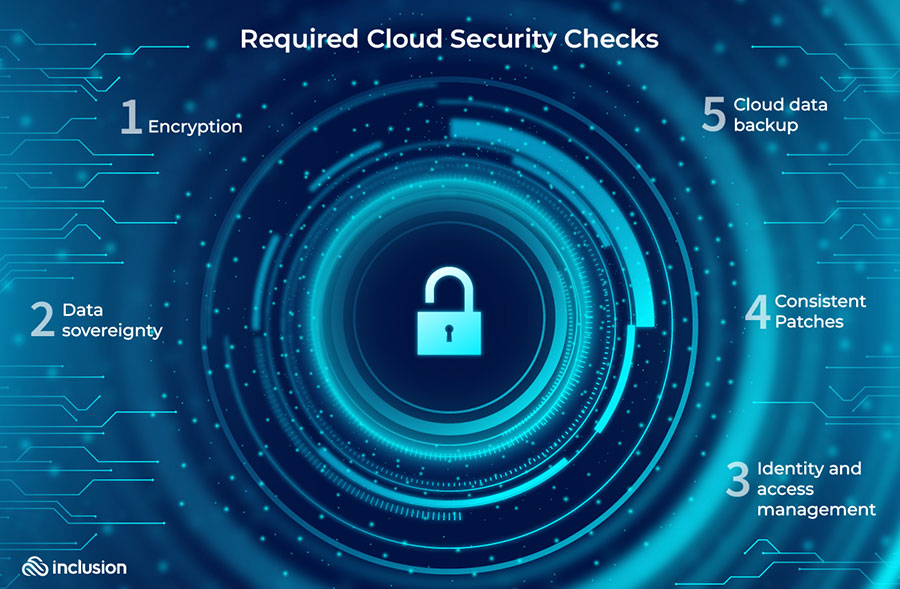
Encryption protects data at rest and in transit, ensuring that even if data is intercepted, it remains unreadable to unauthorized users.
Are public clouds less secure than private clouds?
Not necessarily; while public clouds can present unique challenges, many providers implement robust security measures that can rival those of private clouds.
What steps should be taken after a cloud security breach?
Organizations should conduct a thorough investigation, notify affected parties, implement remediation strategies, and review security protocols to prevent future incidents.