Beginning with secure cloud computing, the narrative unfolds in a compelling and distinctive manner, drawing readers into a story that promises to be both engaging and uniquely memorable.

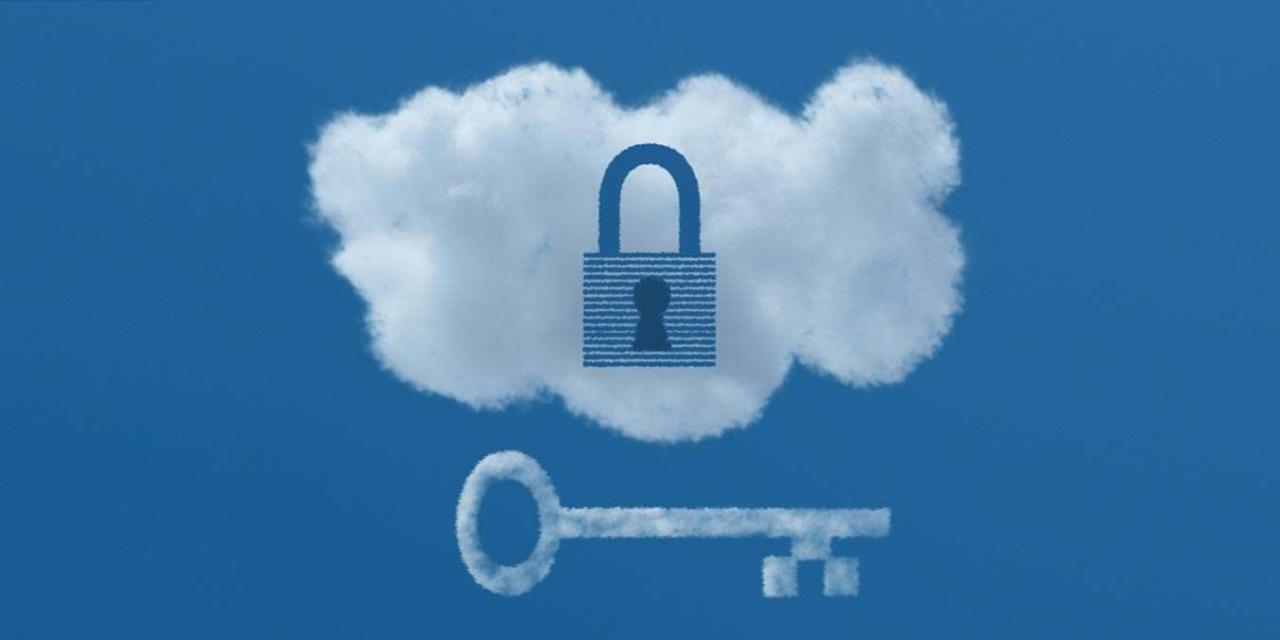
As businesses increasingly migrate their operations to the cloud, understanding the security measures inherent in this technology becomes crucial. Secure cloud computing refers to the strategic deployment of cloud services designed to protect sensitive data from unauthorized access and cyber threats. This approach combines advanced encryption, robust access controls, and ongoing compliance with regulations, ensuring that organizations can leverage cloud resources without compromising their security posture.
In today’s fast-paced world, technology has woven itself into the fabric of our daily lives, revolutionizing various sectors, including education. The integration of technology into the classroom has transformed traditional teaching methods, offering new opportunities for learning and engagement. From interactive lessons to online resources, technology’s impact on education is profound and far-reaching.
Enhancing Learning Experiences
One of the most significant benefits of technology in education is the enhancement of learning experiences. Interactive tools like smartboards, educational apps, and virtual reality (VR) can make lessons more engaging and accessible. For instance, VR allows students to explore historical sites or conduct science experiments in a safe, virtual environment. This immersive approach not only captivates students’ attention but also enhances their understanding of complex subjects.
Moreover, platforms like Google Classroom and Canvas facilitate collaboration among students and teachers. These tools enable educators to share materials, assignments, and feedback seamlessly, creating a more organized and efficient learning environment. Furthermore, students can access educational resources anytime and anywhere, allowing for a more personalized learning journey that caters to individual needs and paces.
Bridging Educational Gaps
Technology also plays a crucial role in bridging educational gaps. Online learning platforms, such as Khan Academy and Coursera, provide access to high-quality educational resources for students regardless of their geographical location or socio-economic background. This democratization of knowledge empowers learners to pursue their interests and acquire skills that may not be available in their local institutions.
Additionally, assistive technologies help students with disabilities to overcome barriers to learning. Tools like speech-to-text software and screen readers enable students with visual or hearing impairments to engage fully with educational content. By fostering inclusivity, technology ensures that every student has the opportunity to succeed.
Challenges of Integrating Technology
While the benefits of technology in education are significant, some challenges must be addressed. One major concern is the digital divide, which refers to the gap between those who have access to technology and those who do not. Inadequate access to devices or reliable internet can hinder students’ ability to participate in digital learning, exacerbating existing inequalities.
Furthermore, the reliance on technology can lead to issues such as decreased face-to-face interaction among students and teachers. Building interpersonal skills and fostering relationships are essential aspects of a well-rounded education. Therefore, educators must strike a balance between leveraging technology and maintaining traditional methods of interaction.
Preparing Students for the Future
As we move further into the digital age, preparing students for the future workforce becomes increasingly important. Many industries now require technological proficiency, and schools must equip students with the necessary skills to thrive in this environment. Incorporating coding, data analysis, and digital literacy into the curriculum can help students become adept at navigating various technologies.
Moreover, fostering critical thinking and problem-solving skills is crucial in an era where information is abundant but not always accurate. Educators should encourage students to analyze, evaluate, and create information rather than passively consume it. This approach will prepare them to become informed citizens and innovative thinkers in a rapidly changing world.
Conclusion
In conclusion, the impact of technology on modern education is immense, offering both opportunities and challenges. By enhancing learning experiences, bridging educational gaps, and preparing students for the future, technology has the potential to transform the educational landscape for the better. However, it is essential to address the challenges that accompany this integration to ensure that all students can benefit from these advancements.
As we continue to navigate this digital age, finding the right balance between technology and traditional teaching methods will be vital for fostering a holistic and inclusive educational experience.
Question Bank
What is secure cloud computing?
Secure cloud computing refers to the use of cloud services that ensure data protection through various security measures against unauthorized access and cyber threats.
How does encryption work in secure cloud computing?
Encryption in secure cloud computing scrambles data into a format that can only be read by someone with the correct decryption key, protecting sensitive information from unauthorized access.
What are common threats to cloud security?
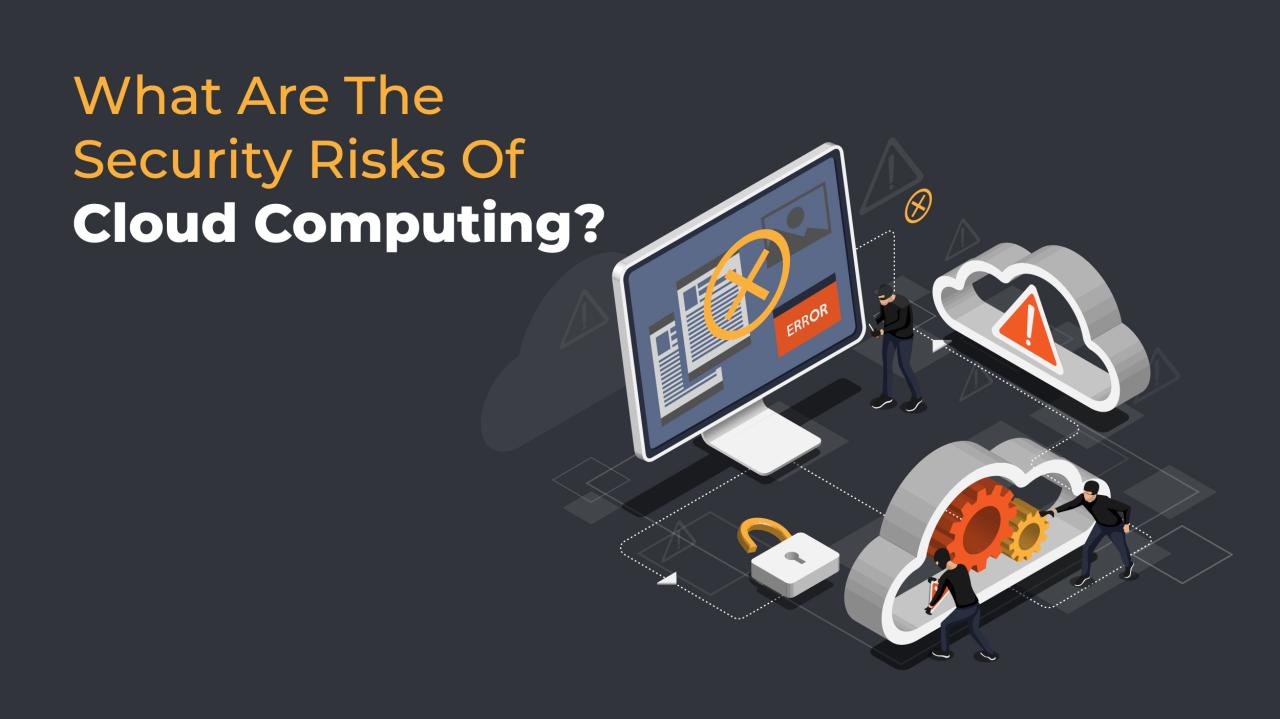
Common threats include data breaches, account hijacking, insecure APIs, and insufficient identity and access management.
How can organizations ensure compliance in cloud computing?
Organizations can ensure compliance by following industry standards, conducting regular audits, and implementing robust security policies that align with regulatory requirements.
What role do third-party vendors play in cloud security?
Third-party vendors often provide essential security tools and services, but organizations must carefully evaluate these providers to ensure they meet security standards and compliance requirements.