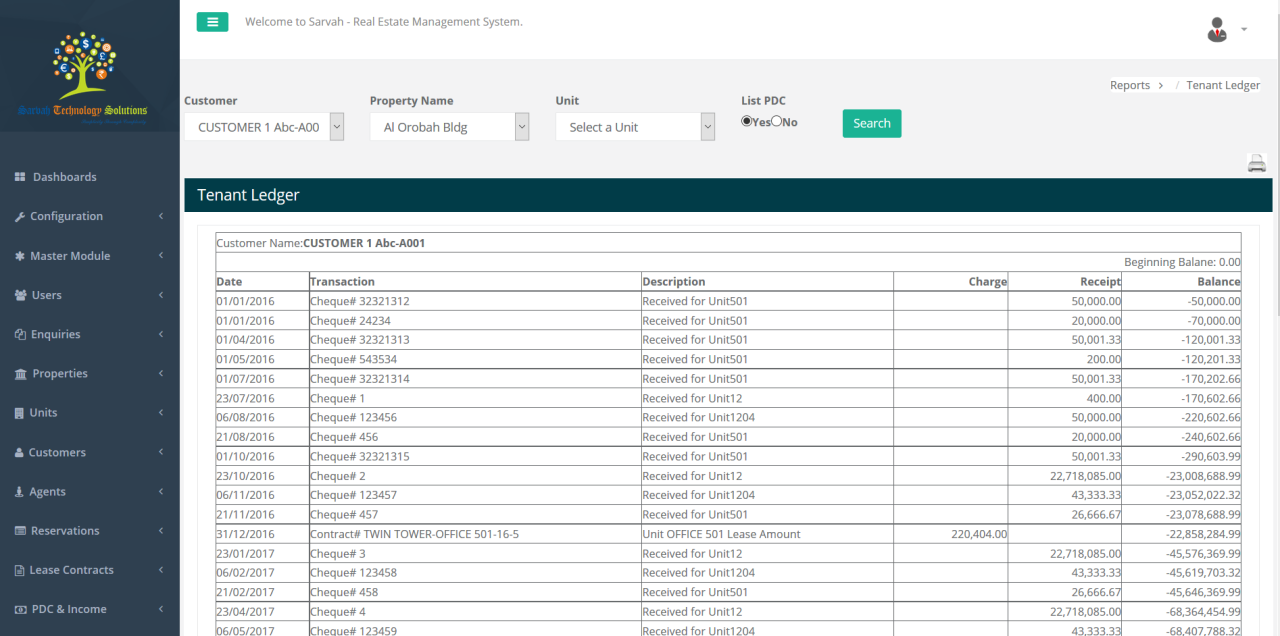
Property management computer programs are revolutionizing the way property managers oversee their operations, offering innovative solutions to enhance efficiency and organization. These programs streamline tasks such as tenant communication, rent collection, and maintenance tracking, making it easier for property owners to manage their assets effectively.
In today’s fast-paced real estate environment, leveraging technology through these software solutions is essential for staying competitive. With features tailored to meet the unique needs of property management, these programs not only save time but also improve overall tenant satisfaction, leading to a more successful management experience.

In today’s digital world, the landscape of communication is continually evolving. It is fascinating to observe how traditional forms of interaction have transformed with the advent of technology. This article aims to explore the nuances of modern communication, its impact on personal relationships, and the way it shapes our society.To begin with, let us delve into the definition of communication.

At its core, communication is the process of exchanging information, thoughts, and feelings between individuals or groups. It can occur verbally, non-verbally, in writing, or through various digital platforms. The conventional methods of communication, such as face-to-face conversations and written letters, have been significantly augmented by digital tools like emails, social media, and instant messaging.One of the most significant shifts in communication has been the rise of social media.
Platforms such as Facebook, Twitter, Instagram, and TikTok have revolutionized how we connect with one another. These platforms allow for instant sharing of thoughts, images, and experiences with a vast audience. This immediacy can enhance relationships by allowing us to stay connected with friends and family across long distances. However, it also raises concerns about privacy, mental health, and the authenticity of interactions.Social media has also changed how we perceive relationships.
It has blurred the lines between public and private life, as people often share intimate details online. While this openness can foster connections, it can also lead to misunderstandings and conflicts. Miscommunication is a common issue in the digital age, as the lack of non-verbal cues can result in messages being interpreted differently than intended. A simple text can be misconstrued, leading to unnecessary drama or conflict.Moreover, the impact of communication technology extends beyond personal relationships.
In professional settings, effective communication is paramount. The rise of remote work, accelerated by the COVID-19 pandemic, has highlighted the importance of clear and concise digital communication. Teams that rely on emails, video conferences, and collaboration tools must ensure that everyone is on the same page to maintain productivity and morale.Furthermore, the proliferation of digital communication tools has created a culture of immediacy.
People now expect quick responses, which can lead to pressure and stress. The constant influx of notifications from various platforms can be overwhelming, making it challenging to focus on tasks or engage in deep conversations. This demand for rapid communication can detract from the quality of interactions, as individuals may feel compelled to respond without fully considering their words.In contrast, some argue that modern communication methods have enhanced our ability to form connections.
For instance, online forums and communities allow individuals with shared interests to connect, regardless of geographical barriers. These platforms provide an opportunity for people to engage in meaningful discussions and forge friendships based on mutual passions. The internet has democratized access to information and perspectives, fostering a more inclusive dialogue.Moreover, video conferencing technology has transformed how we conduct meetings and collaborate.
Tools like Zoom, Microsoft Teams, and Google Meet have made it possible to connect with colleagues and clients worldwide, facilitating real-time collaboration. This technology has not only made it easier to maintain professional relationships but has also opened up new opportunities for businesses to expand their reach.However, as we navigate the complexities of modern communication, it is crucial to recognize the importance of balancing digital interactions with face-to-face encounters.
While virtual communication offers convenience, there is an irreplaceable value in personal interactions. Non-verbal cues, such as body language and facial expressions, play a vital role in conveying emotions and fostering understanding. Engaging in in-person conversations allows for a depth of connection that often cannot be replicated through screens.To enhance our communication skills in this digital age, it is essential to practice active listening.
This involves being fully present in conversations, whether in person or online. Active listening fosters empathy and understanding, allowing individuals to respond thoughtfully rather than react impulsively. Additionally, being mindful of our communication style can help mitigate misunderstandings. Taking the time to craft considerate messages and being conscious of tone can significantly improve interactions.As we look towards the future, it is evident that communication will continue to evolve.
Emerging technologies, such as artificial intelligence and virtual reality, promise to further reshape how we connect. AI-driven tools may assist in translating languages or facilitating real-time conversations, breaking down barriers that once hindered communication. Similarly, virtual and augmented reality could provide immersive experiences that enhance interpersonal connections, making remote interactions feel more personal.In conclusion, the landscape of communication is ever-changing, shaped by technological advancements and cultural shifts.
While digital tools have transformed how we connect, it is essential to remain mindful of the impact these changes have on our relationships and society. Embracing a balanced approach that values both digital and face-to-face interactions can lead to more meaningful connections. Ultimately, effective communication is about understanding and empathy, regardless of the medium through which we engage.
FAQ Overview
What are property management computer programs?
They are software designed to help property managers handle various tasks like tenant communication, rent collection, and maintenance tracking efficiently.
How can property management programs improve tenant satisfaction?
By facilitating better communication, timely responses, and efficient service requests, these programs enhance the overall tenant experience.
Are these programs suitable for small property managers?
Yes, many property management programs are designed to cater to both small and large property managers, offering scalable features that fit different needs.
What features should I look for in a property management program?
Key features to consider include tenant portals, maintenance request tracking, financial reporting, and mobile access for on-the-go management.
Can I integrate property management software with other tools?
Most modern property management programs offer integration options with accounting software, CRM systems, and other tools to streamline your workflow.