Payroll software is revolutionizing how businesses manage employee compensation, making the process more efficient and error-free. As companies continue to grow, the complexity of payroll increases, and that’s where these software solutions come into play. They not only help in calculating wages but also ensure compliance with tax laws, track employee attendance, and manage benefits, making them essential tools for any organization.
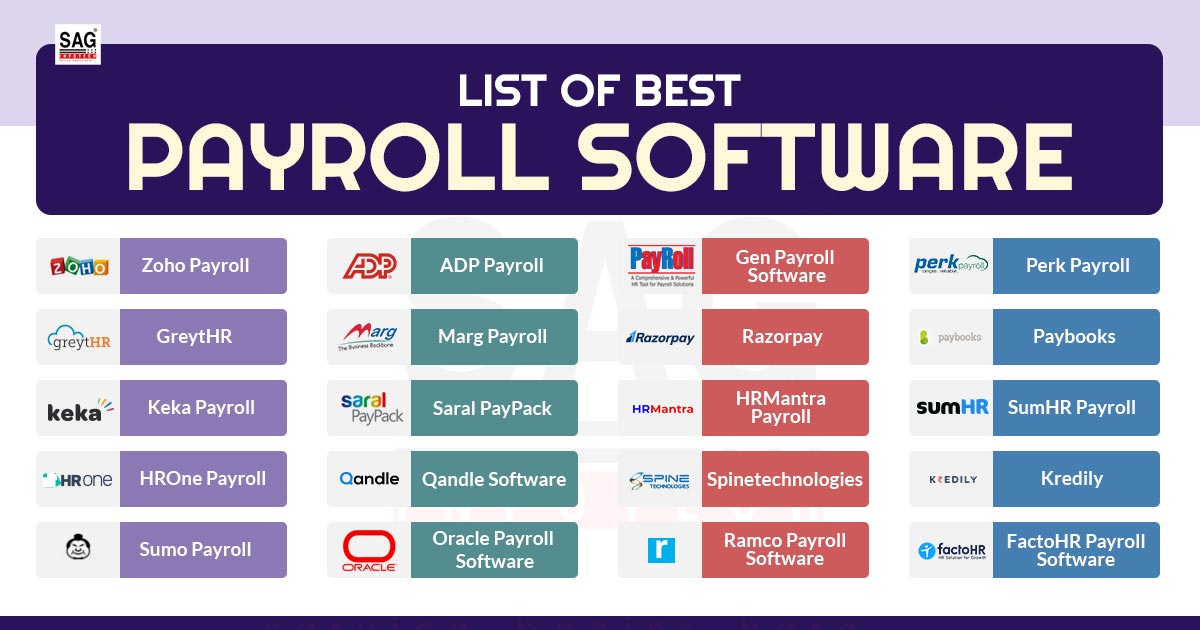
In today’s fast-paced environment, the right payroll software can save time and reduce stress for HR departments while providing employees with accurate and timely payment. This software bridges gaps in communication and transparency, enhancing the overall employee experience.

In today’s fast-paced world, the significance of mental health has increasingly come to the forefront of discussions, sparking awareness and prompting action across various spheres of life. Mental health encompasses our emotional, psychological, and social well-being, influencing how we think, feel, and act. It also plays a critical role in determining how we handle stress, relate to others, and make choices.
The journey toward understanding mental health is both complex and essential, as mental health issues can affect anyone, regardless of age, gender, or background. According to the World Health Organization (WHO), around one in four people will experience a mental health issue at some point in their lives. This staggering statistic underscores the need for a comprehensive understanding and proactive measures to address mental health challenges.
One of the primary reasons mental health awareness is gaining traction is the stigma that has historically surrounded mental illness. Many individuals have faced discrimination and isolation due to their mental health struggles. By promoting open conversations about mental health, we can work towards dismantling this stigma, fostering environments that allow individuals to seek help without fear of judgement.
Education plays a crucial role in this process. Schools, workplaces, and communities are increasingly incorporating mental health education into their programs. This can include workshops, seminars, and informational campaigns that highlight the importance of mental well-being. By informing people about the signs and symptoms of mental health issues, we empower them to recognize when they or someone they care about may need help. Furthermore, offering resources and support networks ensures that individuals have access to professional help when necessary.
Another significant aspect of mental health awareness is the role of social media. Platforms such as Instagram, Twitter, and Facebook can serve as powerful tools for spreading awareness and fostering community support. Many organizations and influencers use these platforms to share personal stories, resources, and coping strategies. Such initiatives often resonate with people, creating a sense of solidarity and encouraging others to share their experiences.
Moreover, social media campaigns can effectively mobilize individuals to advocate for mental health policies and services. With the power of collective voices, advocates can push for better mental health care systems, funding for research, and policies that promote mental well-being. It’s crucial for society to understand that investing in mental health not only benefits individuals but also leads to overall societal improvement—lower healthcare costs, increased productivity, and enhanced quality of life.
The workplace is another area where mental health awareness is essential. Employers are starting to recognize the impact of mental health on employee performance and overall workplace culture. By fostering a supportive environment, businesses can enhance employee satisfaction and engagement. This could involve implementing flexible work schedules, offering mental health days, and providing access to counseling services. Such initiatives not only benefit employees but also contribute to the company’s bottom line, as a happy and healthy workforce translates to increased productivity and lower turnover rates.
In addition to workplace initiatives, self-care practices have gained popularity as essential components of maintaining mental health. Self-care refers to any activity that we engage in to take care of our mental, emotional, and physical health. This can range from simple practices like regular exercise, healthy eating, and adequate sleep to more focused activities like meditation, journaling, or seeking therapy. Encouraging individuals to prioritize self-care is vital in fostering resilience and coping mechanisms that can help in dealing with life’s challenges.
It’s also important to recognize the intersectionality of mental health. Different demographics may experience mental health issues differently due to various social determinants such as race, socioeconomic status, and gender identity. Marginalized groups often face additional barriers to accessing mental health care and may experience compounded stressors. Therefore, understanding mental health through an intersectional lens allows us to address these disparities and work towards inclusivity in mental health services.
As we delve into the conversations surrounding mental health, it’s crucial to remember that recovery is not an endpoint but rather a journey. Many people living with mental health conditions can and do lead fulfilling lives with the right support systems in place. Recovery can involve therapy, medication, lifestyle changes, and building a strong support network. Each person’s recovery journey is unique, and acknowledging this diversity is essential in fostering empathy and support.
In conclusion, the growing emphasis on mental health awareness is a step in the right direction toward creating a supportive and understanding society. By breaking the stigma, promoting education, leveraging social media, and advocating for necessary changes, we can work towards a future where mental health is prioritized equally alongside physical health. As individuals, communities, and organizations, we have the power to influence change and foster environments that support mental well-being for everyone. Let’s continue this vital conversation and commit to making mental health a priority in our lives and society.