Beginning with law firm computer software, the narrative unfolds in a compelling and distinctive manner, drawing readers into a story that promises to be both engaging and uniquely memorable.
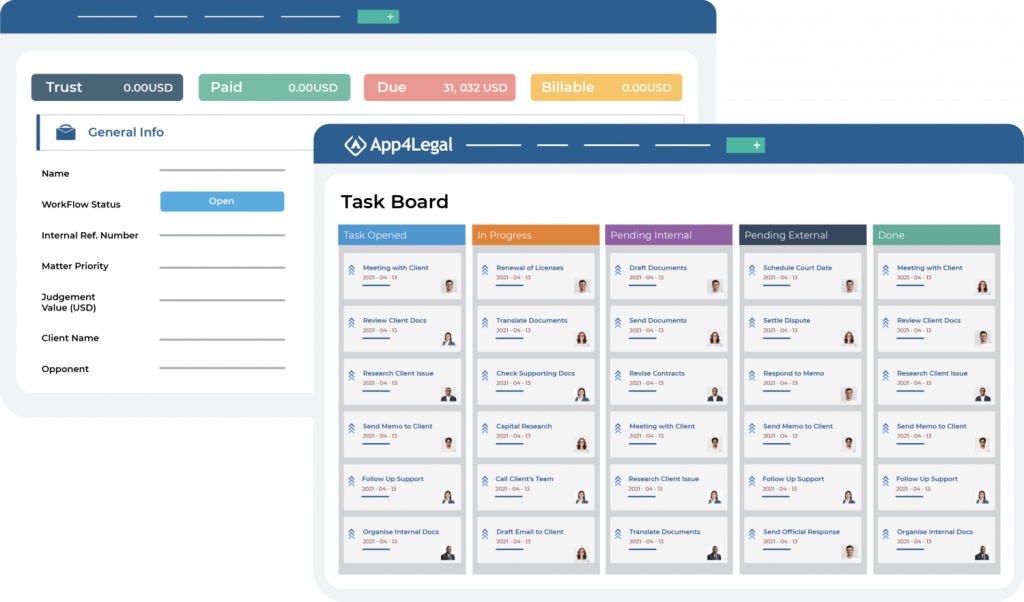
This software plays an essential role in modern legal practices, enabling firms to streamline their operations, manage cases effectively, and enhance client relationships. With various features tailored to the needs of legal professionals, these tools facilitate tasks ranging from document management to time tracking, ultimately improving productivity and service delivery.
Mental health has emerged as a critical topic of discussion in recent years, gaining recognition as an essential component of overall well-being. The stigma that previously surrounded mental health issues has begun to fade, paving the way for more open conversations and a deeper understanding of mental health challenges. In this article, we will explore the significance of mental health awareness, its impact on individuals and society, and ways to promote mental well-being.
Understanding Mental Health
Mental health encompasses our emotional, psychological, and social well-being. It affects how we think, feel, and act, as well as how we handle stress, relate to others, and make choices. Mental health is crucial at every stage of life, from childhood and adolescence through adulthood and aging. Mental health conditions, such as depression, anxiety, bipolar disorder, and schizophrenia, can affect anyone, regardless of age, gender, race, or background.
The Impact of Mental Health Issues
Mental health issues can have profound effects not only on individuals but also on families, communities, and the economy. When someone experiences mental health challenges, it can lead to a range of difficulties, including impaired functioning, decreased productivity, and strained relationships. According to the World Health Organization (WHO), approximately one in four people will experience a mental health issue at some point in their lives.
This staggering statistic highlights the need for increased mental health awareness and support.
The Role of Stigma
Stigma remains one of the most significant barriers to mental health care. Many individuals suffering from mental health conditions face judgment, discrimination, and misunderstanding from society, which can deter them from seeking help. This stigma can manifest in various ways, including negative stereotypes, social isolation, and a lack of understanding. By raising awareness about mental health, we can work towards dismantling these stigmas and creating a more compassionate environment for those affected by mental illness.
Benefits of Mental Health Awareness
Promoting mental health awareness can lead to numerous benefits for individuals and society as a whole:
- Encouraging Help-Seeking Behavior: When individuals are aware of mental health issues and the available resources, they are more likely to seek help and support when needed.
- Reducing Stigma: Awareness campaigns can help change perceptions of mental health, reducing the stigma that often prevents individuals from discussing their struggles.
- Improving Access to Resources: Increased awareness can lead to better access to mental health resources, such as therapy, support groups, and educational materials.
- Enhancing Community Support: Awareness fosters understanding and empathy within communities, encouraging individuals to support one another in times of need.
Ways to Promote Mental Health Awareness
There are several effective strategies to promote mental health awareness in our communities:
1. Education and Training
Providing educational resources and training on mental health topics can empower individuals to recognize warning signs, understand mental health conditions, and learn how to respond appropriately. Workshops, seminars, and online courses can be valuable tools in this regard.
2. Open Conversations
Encouraging open conversations about mental health can help normalize discussions around the topic. Creating safe spaces where individuals can share their experiences and feelings fosters a sense of community and support.
3. Social Media Campaigns
Utilizing social media as a platform for mental health awareness can reach a wide audience. Campaigns that share personal stories, informative posts, and resources can help spread awareness and reduce stigma.
4. Collaboration with Organizations
Partnering with mental health organizations can amplify awareness efforts. Collaborative events, workshops, and outreach programs can provide valuable resources and support to those in need.
5. Encouraging Self-Care
Promoting self-care practices is crucial for mental well-being. Encouraging individuals to prioritize their mental health through activities such as mindfulness, exercise, and healthy relationships can lead to positive outcomes.
The Role of Technology in Mental Health Awareness
Technology plays an increasingly important role in mental health awareness and support. Online platforms, mobile applications, and teletherapy services provide individuals with access to mental health resources and support from the comfort of their homes. These technologies can bridge gaps in care, especially for those who may face barriers to traditional mental health services.
The Future of Mental Health Awareness
As society continues to evolve, so too must our approach to mental health awareness. The future lies in fostering a culture of understanding, empathy, and support for mental health issues. By prioritizing mental health awareness and implementing strategies to reduce stigma, we can create a more inclusive and compassionate society.
Conclusion
Mental health awareness is crucial for fostering understanding and support for those facing mental health challenges. By promoting conversations, reducing stigma, and encouraging help-seeking behavior, we can create a healthier society. It is our collective responsibility to ensure that mental health is prioritized and that individuals feel empowered to seek help when needed. Together, we can work towards a future where mental health is recognized as an integral part of overall well-being.
Detailed FAQs
What features should I look for in law firm software?
Look for features like document management, billing and invoicing, case tracking, time management, and client communication tools.
Is cloud-based software better than on-premise software?
Cloud-based software offers more flexibility, remote access, and easier updates, while on-premise software may provide more control over data security.
How can law firm software help improve client communication?
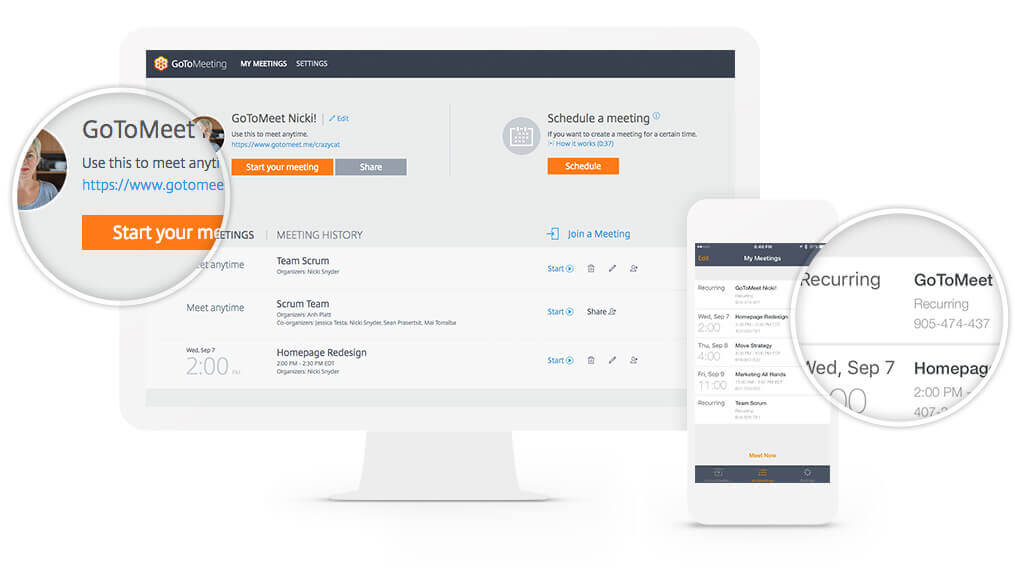
Many software solutions include client portals and communication tools that allow for secure messaging and easy document sharing, enhancing transparency and responsiveness.
What are the costs associated with law firm software?
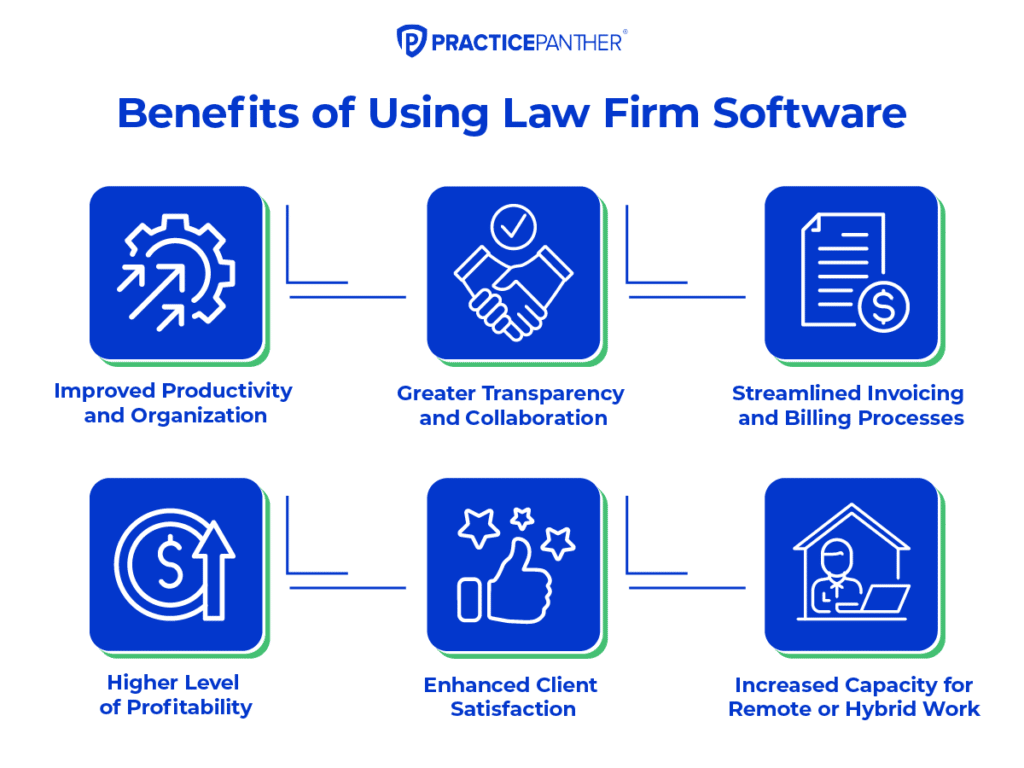
Costs can vary widely based on the features, number of users, and whether it’s subscription-based or a one-time purchase; typically, firms should budget for ongoing support and training as well.
How do I choose the right software for my law firm?
Assess your firm’s specific needs, consider scalability, read user reviews, and take advantage of free trials to find the best fit for your practice.