With hvac computer software leading the charge, the world of heating, ventilation, and air conditioning is undergoing a remarkable transformation. This software not only enhances efficiency but also streamlines the management of HVAC systems, making it easier for professionals to optimize comfort and energy consumption. As we delve deeper into this topic, you’ll discover how technology is reshaping the HVAC industry, making it more responsive to both user needs and environmental considerations.
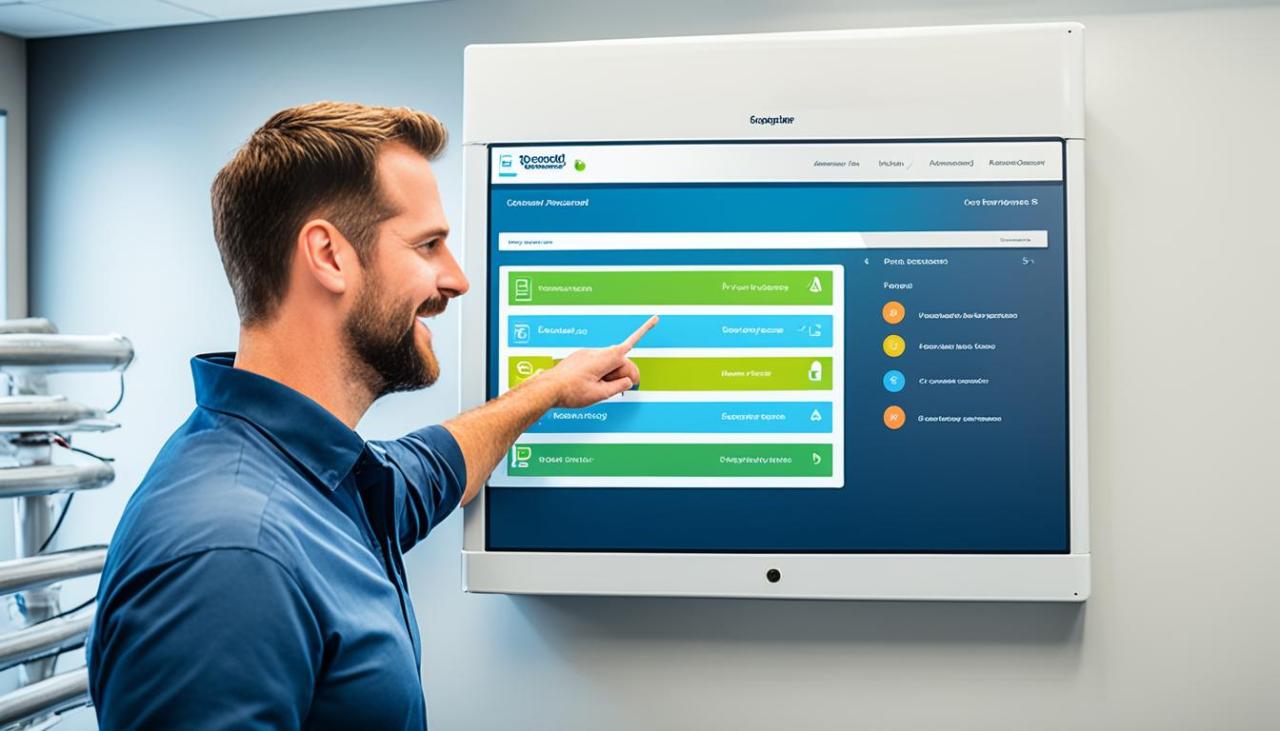
From advanced scheduling systems to real-time monitoring, hvac computer software offers an array of tools designed to make HVAC management smarter. This software empowers technicians and homeowners alike with insights that were previously out of reach, ensuring that systems run smoothly and efficiently while reducing energy waste.

In a world that often feels chaotic and overwhelming, the practice of mindfulness has become increasingly relevant. Mindfulness refers to the psychological process of bringing one’s attention to the present moment. This simple yet profound practice can lead to improved mental clarity, emotional regulation, and an overall enhanced quality of life. In this article, we will explore the significance of mindfulness and how incorporating it into daily routines can bring about positive changes.
Understanding Mindfulness
At its core, mindfulness is about being fully present. It encourages individuals to pay attention to their thoughts, feelings, and surroundings without judgment. While mindfulness has roots in ancient meditation practices, it has gained popularity in modern psychology as an effective tool for stress management and emotional well-being.
Research has shown that mindfulness can have a positive impact on mental health by reducing symptoms of anxiety and depression. By focusing on the present moment, individuals can break the cycle of negative thoughts that often exacerbate mental health issues. This shift in focus allows for a greater awareness of one’s internal and external worlds, making it easier to respond to stressors with clarity and calmness.
Benefits of Mindfulness
Engaging in mindfulness practices can yield numerous benefits. Here are some of the most notable:
- Stress Reduction: Mindfulness helps in lowering cortisol levels, the hormone associated with stress. By cultivating a practice of mindfulness, individuals can learn to manage stress more effectively.
- Enhanced Focus: Practicing mindfulness can improve attention span and concentration. This increased focus can lead to better performance in both personal and professional settings.
- Improved Emotional Health: Regular mindfulness practice can lead to a decrease in symptoms of anxiety and depression. It fosters a greater sense of self-awareness and emotional resilience.
- Better Relationships: Mindfulness promotes empathy and compassion, enhancing interpersonal relationships. Being present with others can strengthen connections and improve communication.
- Physical Health Benefits: Mindfulness can lead to improved physical health by lowering blood pressure, boosting the immune system, and promoting healthy lifestyle choices.
Incorporating Mindfulness into Daily Life
Incorporating mindfulness into daily routines doesn’t require extensive time commitments or complex rituals. Here are some practical ways to build mindfulness into everyday life:
1. Mindful Breathing
One of the simplest ways to practice mindfulness is through mindful breathing. Take a few moments each day to focus solely on your breath. Inhale deeply through your nose, hold for a moment, and then exhale slowly through your mouth. This practice can help ground you and bring you back to the present moment, especially during stressful situations.
2. Mindful Eating
Mindful eating involves paying attention to the experience of eating, savoring each bite, and recognizing hunger and fullness cues. By slowing down and appreciating your food, you can foster a healthier relationship with eating and make more conscious choices about what you consume.
3. Mindful Walking
Transform your walking routine into a mindfulness practice. As you walk, focus on the sensations in your feet, the rhythm of your breath, and the sights and sounds around you. This practice can be especially refreshing in nature, allowing you to connect with the environment while calming your mind.
4. Mindfulness Meditation
Setting aside time for mindfulness meditation can be incredibly beneficial. Find a quiet space, sit comfortably, and close your eyes. Focus on your breath or a mantra, gently bringing your mind back to the present whenever it wanders. Even a few minutes a day can significantly enhance your mindfulness practice.
5. Technology Breaks
In our technology-driven world, it’s easy to get caught up in screens and notifications. Consider taking regular breaks from technology to be fully present in the moment. Whether it’s a few minutes of silence or engaging in a hobby, disconnecting can help recharge your mental state.
Challenges in Practicing Mindfulness
While the benefits of mindfulness are well-documented, many people encounter challenges when attempting to establish a mindfulness practice. Common obstacles include:
- Racing Thoughts: It’s natural for the mind to wander, especially for beginners. Instead of getting frustrated, gently acknowledge these thoughts and steer your focus back to your breath or the present moment.
- Lack of Time: Many people feel they don’t have enough time to dedicate to mindfulness. However, even short moments throughout the day can be effective. Look for opportunities during daily activities to practice mindfulness.
- Self-Judgment: Individuals may judge themselves harshly for not being “good” at mindfulness. Remember that mindfulness is a skill that takes practice. Be patient and kind to yourself as you develop this new habit.
Conclusion
Incorporating mindfulness into daily life offers numerous benefits that can enhance mental, emotional, and physical well-being. By committing to small, consistent practices, individuals can experience significant transformations in their overall quality of life. Remember that mindfulness is not about perfection; it’s about cultivating awareness and being present. As we navigate the complexities of modern life, embracing mindfulness can serve as a powerful tool for fostering resilience, clarity, and peace.
FAQ Overview
What is HVAC computer software?
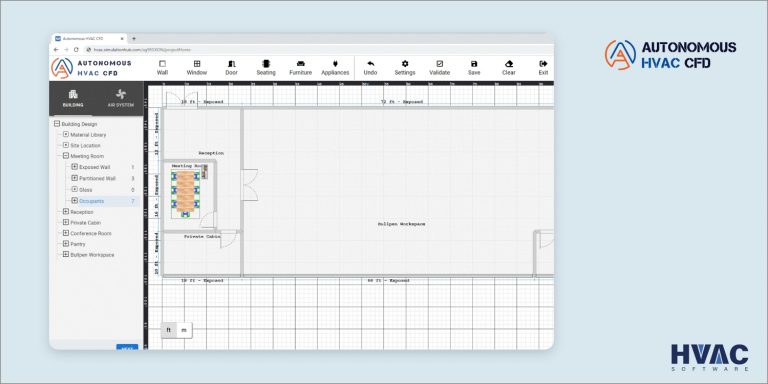
HVAC computer software refers to specialized applications designed to manage, monitor, and optimize heating, ventilation, and air conditioning systems.
How does HVAC software improve efficiency?
It helps streamline operations, allowing for better scheduling, real-time monitoring, and energy consumption management, which collectively lead to improved efficiency.
Is HVAC software user-friendly?
Most HVAC software is designed with user experience in mind, offering intuitive interfaces that simplify navigation and operation for users of all skill levels.
Can HVAC software integrate with existing systems?
Yes, many HVAC software solutions are built to integrate seamlessly with existing systems, enhancing functionality without requiring a complete overhaul.
What are the costs associated with HVAC software?
Costs can vary widely depending on the features and scalability of the software, but many solutions offer pricing models that cater to different budgets and needs.